Iran has issued a stark warning to the United States, declaring it is fully prepared for military conflict while simultaneously expressing a willingness to engage in diplomatic talks. The dual message comes amidst escalating tensions and threats of American intervention in the region.
A Message of Strength and Openness
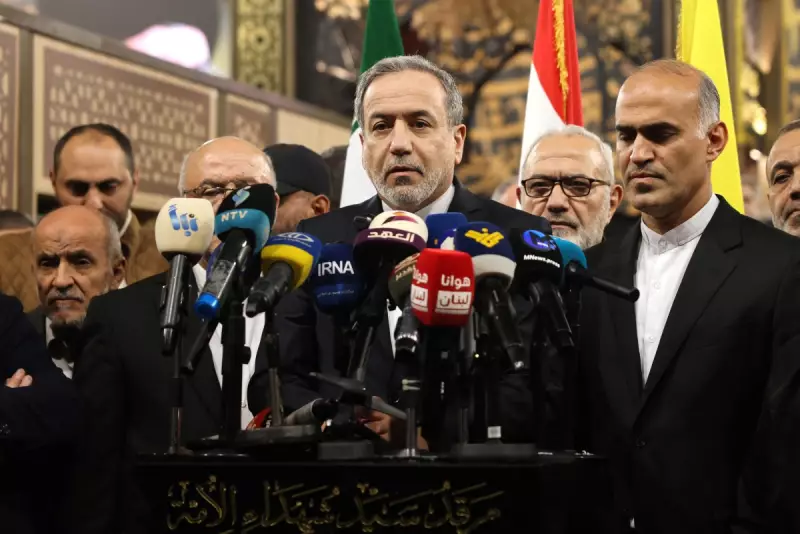
Iranian Foreign Minister Abbas Araghchi delivered the country's official position during a conference with foreign ambassadors in Tehran on Monday. His speech was broadcast live on state television.
Araghchi clearly stated, "The Islamic Republic of Iran is not seeking war but is fully prepared for war." He emphasized that while Iran is braced for a potential confrontation following threats from Washington, the door to dialogue remains open under specific conditions.

"We are also ready for negotiations," Araghchi added, "but these negotiations should be fair, with equal rights and based on mutual respect." This condition underscores Tehran's demand for parity in any future diplomatic engagements with the US.
Conflicting Signals from Washington
The Iranian statement follows comments from US President Donald Trump, who on Sunday indicated that a meeting with Iranian officials was being arranged. However, he also issued a veiled threat, suggesting the US might act before any such meeting takes place.
"A meeting is being set up," Trump told reporters aboard Air Force One, "but we may have to act because of what’s happening before the meeting." He further claimed, "Iran called, they want to negotiate," a point that adds a layer of complexity to the public posturing from both nations.
Adding to the diplomatic channels, Iranian Foreign Ministry spokesperson Esmaeil Baghaei confirmed on Monday that lines of communication with Washington have not been severed and remain operational.
Internal Unrest and External Blame
The heightened international tensions coincide with significant domestic turmoil within Iran. Araghchi used the platform to blame foreign elements for the ongoing protests inside the country. He accused them of deliberately steering the demonstrations towards violence.
The Foreign Minister claimed these external actors purposefully "turned violent and bloody to give an excuse" for the United States to intervene militarily in Iran's internal affairs.
Meanwhile, reports from the US-based human rights group HRANA paint a grim picture of the situation on the ground. As of Sunday evening, the group reported that the death toll from the protests has surpassed 500 individuals. Furthermore, they stated that more than 10,000 people have been arrested by authorities.
HRANA noted the extreme difficulty in sourcing reliable information, as Iran continues to maintain a nationwide internet blackout, severely restricting the flow of news and communication.
A Precarious Standoff
The current situation presents a volatile standoff. Iran is projecting a image of military readiness to deter any potential US action, while keeping a path to negotiation open, albeit with strict preconditions. The United States, under President Trump, is mixing signals of impending action with hints of diplomacy.
This delicate balance is further complicated by the severe internal crackdown in Iran and the difficulty in verifying facts due to the information blackout. The world watches closely to see whether the path of dialogue or the path of conflict will prevail in this high-stakes geopolitical confrontation.