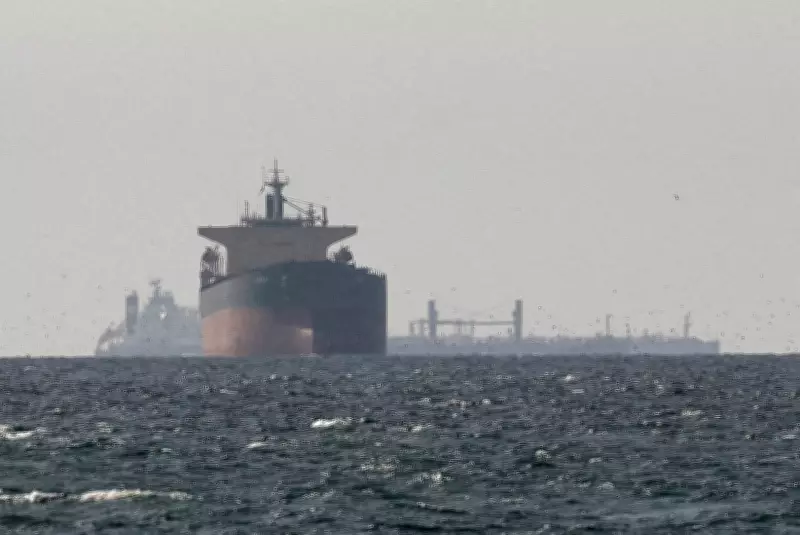
Iran Issues Stark Warning Over Potential Red Sea Blockade Amid US Naval Standoff
Iran has escalated regional tensions by warning it could shut down critical maritime trade routes, including the Red Sea, if a United States naval blockade on its ports persists. This development follows unsuccessful diplomatic negotiations and marks a significant deterioration in relations between the two nations.
Military Official Delivers Firm Statement on State Television
In a statement broadcast on Iranian state television, Ali Abdollahi, head of Iran's military central command centre, declared that any continued blockade threatening Iranian commercial shipping would be considered a violation of the ceasefire. Abdollahi emphasized the resolve of Iran's armed forces, stating they would not permit exports or imports to continue in the Persian Gulf, the Sea of Oman, and the Red Sea.
"The powerful armed forces of the Islamic republic will not allow any exports or imports to continue in the Persian Gulf, the Sea of Oman, and the Red Sea," Abdollahi asserted. He further added that Iran would "act decisively to defend its national sovereignty and its interests," cautioning that the situation could worsen if pressure on Iranian vessels continues.

Background: Failed Talks and US Naval Blockade
The warning comes in response to a recent move by the United States to impose a naval blockade on Iranian ports earlier this week. This action followed talks between Washington and Tehran in Pakistan, which failed to yield an agreement to end ongoing hostilities. The blockade represents a significant escalation in the longstanding conflict between the two countries.
Despite the imposition of the blockade, maritime tracking data indicates that some ships departing from Iran have continued to navigate through the Strait of Hormuz. This strait is one of the world's most vital oil transit routes, highlighting the global implications of the dispute.
Commercial Shipping Activity Persists Amid Tensions
Iran's Tasnim News Agency reported that commercial shipping activity from southern ports has continued, citing unnamed sources who confirmed vessels had set sail for various global destinations within the past 24 hours. This suggests that while threats loom, trade operations have not yet been fully disrupted.
The ongoing developments signal a potential escalation in the region, with crucial global shipping lanes now at the heart of the dispute. The situation underscores the fragile balance in Middle Eastern geopolitics and the broader impact on international trade and security.