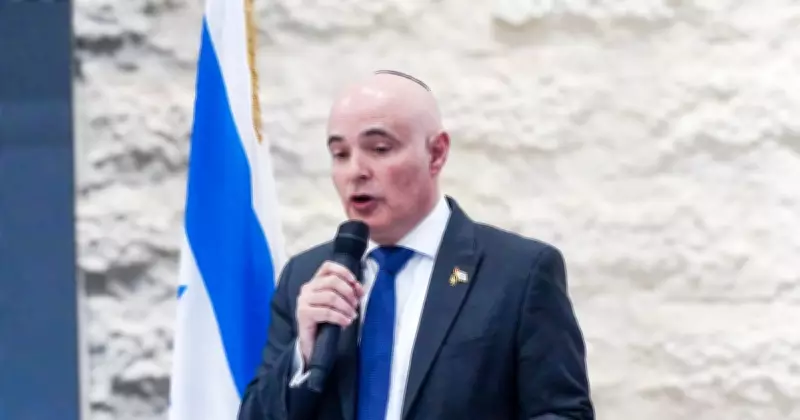
Israeli Ambassador Accuses Iran of Sponsoring Islamic Terrorism in Nigeria
The Israeli Ambassador to Nigeria, Michael Freeman, has leveled serious allegations against the Iranian government, accusing it of sponsoring Islamic movements within Nigeria as part of a broader campaign to spread terror globally. This claim has ignited a diplomatic controversy, prompting swift denials from both Iranian officials and the Nigerian groups implicated in the accusations.
Ambassador's Allegations on Nigerian Television
In a recent interview on Nigerian television, Ambassador Freeman asserted that Tehran's influence extends far beyond the Middle East, reaching into West Africa with support for specific Islamic organizations. He specifically pointed to the Islamic Movement of Nigeria (IMN), also known as the Shi'ite movement, as a beneficiary of this alleged backing.
"We know there are certain movements, for example, the Islamic Movement of Nigeria, that are sponsored and backed by the Iranian regime," Freeman stated. He linked these allegations to what he described as Tehran's long-standing policy of hostility toward Israel and the West, noting that his remarks come amid escalating tensions in the Middle East following recent military actions involving Iran, Israel, and the United States.

Swift Denials from Iran and IMN
The accusations have been met with immediate rejection by both the IMN and Iranian diplomatic representatives. The Islamic Movement of Nigeria dismissed the claims as dangerous and unfounded, calling them an attempt to "incite tension and chaos" among Muslims in Nigeria. The group described the allegations as political maneuvering rather than evidence-based criticism.
Iran's ambassador to Nigeria, Mahdavi Raja, also denied the claims, labeling them "entirely unfounded" and part of broader propaganda efforts by adversarial states. He emphasized that Iran condemns terrorism in all forms and that its relationship with Islamic groups in Nigeria is rooted in spiritual and cultural ties, not political sponsorship or coordination.
Raja further offered Iran's assistance to Nigeria in combatting terrorism, highlighting Tehran's own experience with extremist violence and expressing willingness to collaborate on counterterrorism efforts.
Diplomatic Standoff and Regional Implications
This diplomatic standoff underscores how regional Middle Eastern conflicts can spill into African security discourse. Nigerian authorities have yet to officially comment on the allegations, which emerge amid ongoing global security concerns following high-profile protests by Islamic groups in Nigeria showing solidarity with Iran.
It is important to note that neither the IMN nor Iran have been legally designated as terrorist sponsors in Nigeria. The IMN has historically engaged in activism and protests, and Iran's ambassador stressed that the spiritual connection between Nigerian Shi'ite groups and Tehran should not be misconstrued as a political alliance aimed at fostering violence.
Expert Caution and Future Implications
As the diplomatic row unfolds, experts advise that any claims of foreign sponsorship of local movements should be carefully examined through evidence-based assessments. This approach is crucial to avoid inflaming religious and political tensions within Nigeria, which could have far-reaching consequences for national stability and international relations.
The situation highlights the complex interplay between global geopolitics and local security dynamics, with potential impacts on Nigeria's internal affairs and its diplomatic engagements with both Israel and Iran.