Authorities in Nicaragua have launched a sweeping crackdown, arresting dozens of citizens for allegedly celebrating the dramatic capture of Venezuelan President Nicolas Maduro by United States forces.
Mass Detentions Following Maduro's Arrest
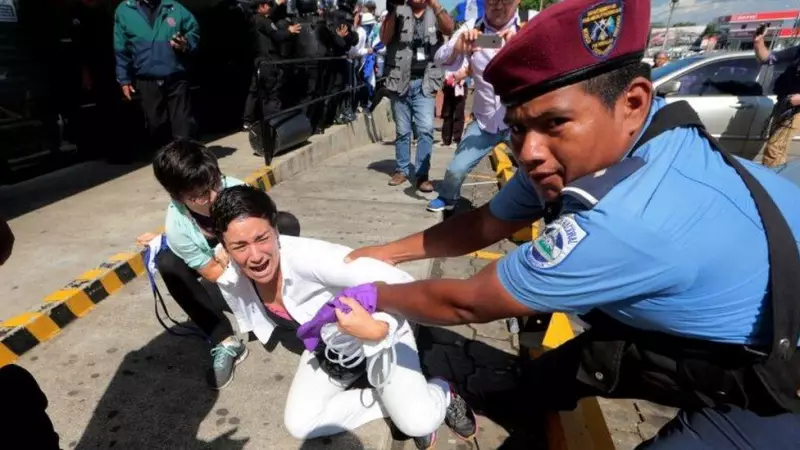
At least 60 people have been arbitrarily arrested in Nicaragua in recent days, according to human rights monitors. The arrests are linked to expressions of support for the operation that saw Maduro captured in Caracas last Saturday and extradited to New York to face trial on drug and weapons charges. The Nicaraguan government, led by President Daniel Ortega and Vice President Rosario Murillo, are known as staunch allies of the Venezuelan leader.
Details of the Crackdown
The human rights organization Blue and White Monitoring, which tracks abuses in Nicaragua, detailed the arrests in a social media post. They stated that the detentions are based on "expressions of opinion," including comments on social media platforms, private celebrations, or a failure to repeat official government propaganda. As of Friday, 49 individuals remained in detention without clear information on their legal status. Nine have been released, while three others faced temporary detention.

Local media, including the exiled newspaper Confidencial, reported that the arrests occurred under a "state of alert" ordered by Vice President Murillo. This alert involved increased surveillance in neighborhoods and across social media to identify critics. Another newspaper, La Prensa, confirmed that the arrests were triggered by "posts in favor" of the U.S. military operation against Maduro.
A Wave of Repression Without Judicial Order
Human rights groups have condemned this latest action, labeling it a new wave of repression. They emphasize that the arrests are being carried out without judicial orders, targeting citizens solely for their personal opinions. This incident highlights the tightening of political control in Nicaragua, where the government moves swiftly against any perceived dissent, especially concerning its international allies. The situation continues to develop, with concerns growing for the welfare and legal rights of those detained.