Nigeria Transforms Trump's Genocide Claims into US Military Partnership
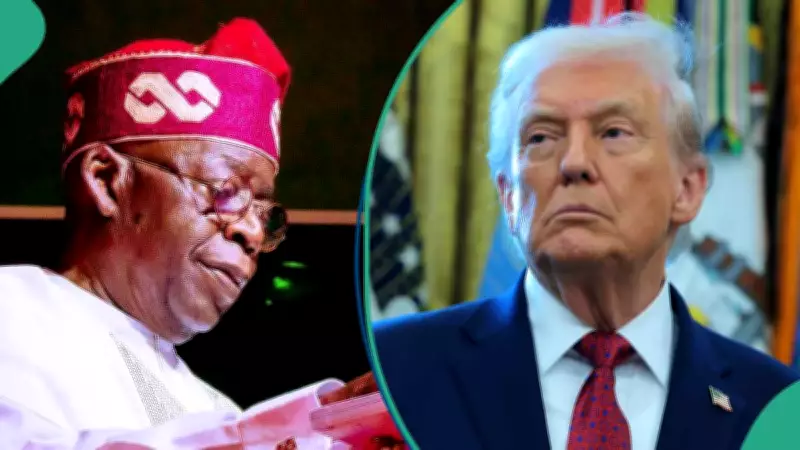
In a remarkable diplomatic pivot, Nigeria has moved from outright rejection of former US President Donald Trump's allegations of a "Christian genocide" to actively welcoming American military support within a span of just three months. What initially began as threats of sanctions and punitive measures has now evolved into a cooperative security framework, with US troops currently training Nigerian soldiers on the ground.
From Accusations to Collaboration
In early November, Trump posted on social media that the US "Department of War" was preparing to enter Nigeria "guns-a-blazing" over what he claimed was the systematic killing of Christians. The statement triggered widespread alarm across Nigeria, raising fears of potential military intervention by the United States.
The Nigerian government under President Bola Ahmed Tinubu firmly rejected these accusations, asserting that while the country faces serious security challenges from armed groups and banditry, Christians were not being specifically targeted. Officials emphasized that Muslim communities and traditional believers had also suffered significant attacks from various militant factions.

Strategic Shift in Approach
Despite rejecting the genocide claims, Nigeria made a strategic decision to shift its approach. Rather than escalating diplomatic tensions, Abuja opted to welcome US assistance in tackling armed groups operating within its borders. On December 25, the US launched what Trump described as "powerful and deadly" strikes in northwest Nigeria, though the US military's Africa Command clarified these operations were conducted "at the request of Nigerian authorities."
This week marked a significant development as 100 US military personnel arrived in Nigeria to train local soldiers. Nigeria's Ministry of Defence confirmed that American forces would provide "technical support" and "intelligence sharing" while refraining from direct combat engagement. The cooperation aims to enhance Nigeria's capacity to target and defeat terrorist organizations operating in the region.
Analysts Note Geopolitical Calculations
Security analysts have noted the dramatic transformation in US-Nigeria relations. Ryan Cummings, director of analysis at Signal Risk, observed that the narrative has "transitioned completely from a slap on the wrist to one where there seems to be a holding of hands in tackling this issue together."
Cheta Nwanze, CEO of SBM Intelligence, explained that Nigeria's longstanding security partnerships since 1999 have consistently favored Western military doctrines. He added that what has changed significantly is the "US posture," with Washington now feeling more entitled to intervene where it perceives strategic interests, particularly regarding Nigeria's substantial oil reserves.
Oil Interests and Geopolitical Strategy
Multiple analysts have linked increased US involvement to Nigeria's vast oil resources. Nwanze noted: "Nigeria holds tens of billions of barrels of oil reserves and is Africa's largest producer. The US National Security Strategy prioritizes securing strategic resources through unilateral action." He argued that while counterterrorism framing is "genuine but convenient," it also serves broader resource security objectives.
Kabir Adamu, director of Beacon Security and Intelligence in Abuja, suggested that Nigeria's willingness to cooperate may have been influenced by the US's previous actions in Venezuela, noting similarities in oil interests between the two situations.
Establishing Working Groups and Managing Relations
Adamu further explained that the Tinubu administration has been "successful in de-escalating the Trump threat and in establishing a joint working group between the two countries." In January, the US and Nigeria convened a joint working group specifically to address Nigeria's designation on the "Countries of Particular Concern" watchlist and explore ways to reduce violence against vulnerable groups.
However, Adamu cautioned that Abuja has not been fully transparent about the specific agreements made with Washington, raising questions about the long-term implications of this security partnership.

Potential Risks and Escalation Concerns
Security experts have warned that increased US military presence could potentially embolden armed groups operating in Nigeria. Adamu expressed concern that it might motivate these groups to intensify their attacks and further deepen Nigeria's existing religious and ethnic divides. "Adding a US military footprint, however limited, risks deepening instability by broadening the conflict's ideological scope," he cautioned.
The rapid transformation from rejecting Trump's accusations to welcoming US military support underscores both the fragility of Nigeria's security situation and the significant geopolitical weight of its oil reserves. What began as threats of sanctions has evolved into a partnership that analysts warn could introduce new risks to Nigeria's stability even as it seeks to address immediate security challenges.
This development represents a complex balancing act for Nigeria's government as it navigates domestic security needs while managing relationships with global powers whose interests extend beyond counterterrorism to include strategic resource security in Africa's largest oil-producing nation.