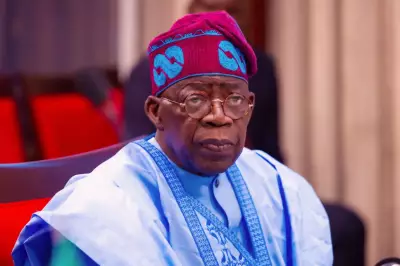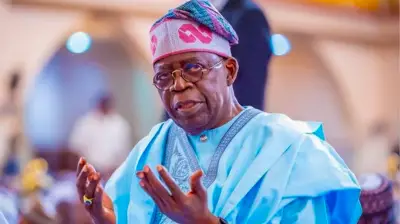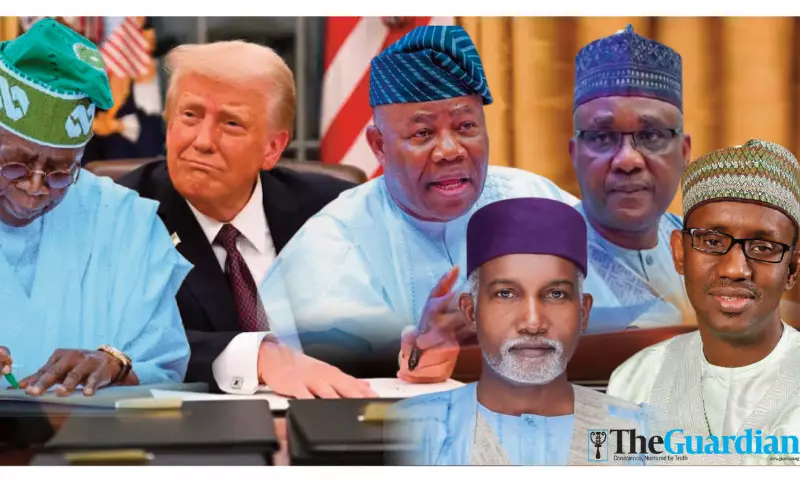
A controversial $9 million contract for lobbying services in the United States has plunged the administration of President Bola Tinubu into a fresh wave of criticism, with opposition parties and analysts describing it as a sign of diplomatic failure and misplaced priorities. The deal, meant to counter narratives of targeted killings of Christians in Nigeria, has instead spotlighted the cost of leaving key ambassadorial posts vacant for over a year.
Diplomatic Vacuum Forces Costly Outsourcing
Documents filed under the U.S. Foreign Agents Registration Act (FARA) reveal that the Nigerian government, acting through the National Security Adviser Nuhu Ribadu and the Kaduna-based law firm Aster Legal, retained the Washington-based DCI Group. The contract, dated December 17, 2025, authorises the firm to assist in communicating Nigeria's actions to protect Christian communities and maintain U.S. support for counter-terrorism efforts.
The agreement stipulates a payment of $750,000 monthly, totalling $4.5 million for an initial six-month term, with an automatic renewal clause that could bring the total value to $9 million. Records show an upfront payment of $4.5 million was made on December 12, 2025.

Foreign policy experts directly link this expensive outsourcing to President Tinubu's recall of all Nigerian ambassadors in September 2023, a vacuum yet to be filled as of early 2026. Ambassador Ogbole Amedu-Ode, a former foreign ministry spokesman, emphasised that "diplomacy is not something you outsource permanently." A former Nigerian ambassador to the U.S. told The Guardian that without ambassadors, "lobbying firms fill the gap, and they charge a premium."
Political Parties and Analysts Lambast 'Wasteful' Expenditure
The opposition has seized on the contract as evidence of the government's failings. The African Democratic Congress (ADC), through its spokesman Bolaji Abdullahi, condemned the move as an attempt to "launder its image abroad" while Nigerians grapple with insecurity and economic hardship at home. The party called it an admission of diplomatic failure and warned against framing the security crisis in sectarian terms.
Similarly, the Peoples Democratic Party (PDP), via National Publicity Secretary Ini Ememobong, labelled the contract "defective, deceptive and embarrassing." The PDP questioned why an administration with a full Ministry of Information and numerous media aides needed a foreign PR firm, demanding clarity on the contract's budgeting and oversight.
Analysts framed the deal as an act of desperation. Ambassador Gani Lawal, President of the Association of Foreign Relations Professionals (AFRP), called it a "fire-brigade approach" stemming from prolonged diplomatic neglect. Public affairs analyst Frank Tietie argued the move showed a "lack of confidence" in Nigeria's own foreign missions and that the government was negotiating from a "position of inferiority" on the world stage.
Firm's Trump Links and Broader Foreign Policy Context
The choice of DCI Group is politically significant. The firm has deep ties to former U.S. President Donald Trump. Jim Murphy, a former DCI president, served as national political director for Trump's 2016 campaign. Another senior executive, Justin Peterson, was appointed by Trump to a key financial oversight board in 2020.
This lobbying push coincides with heightened U.S. pressure. In October 2025, the Trump administration redesignated Nigeria as a "Country of Particular Concern" over allegations of persecution of Christians, a claim Nigeria consistently rejects. The deal also unfolds against a backdrop of broader U.S. immigration restrictions, with the State Department announcing the suspension of immigrant visa processing for Nigeria, Ghana, and 73 other countries, effective January 21, 2026.
For many observers, the $9 million contract has transcended a mere financial controversy. It has ignited a fundamental debate about Nigeria's foreign policy readiness, the tangible cost of delayed diplomatic appointments, and the challenge of managing national reputation amidst severe domestic security challenges.