Nigeria Faces Diplomatic Test Over Trump's Religious Persecution Claims
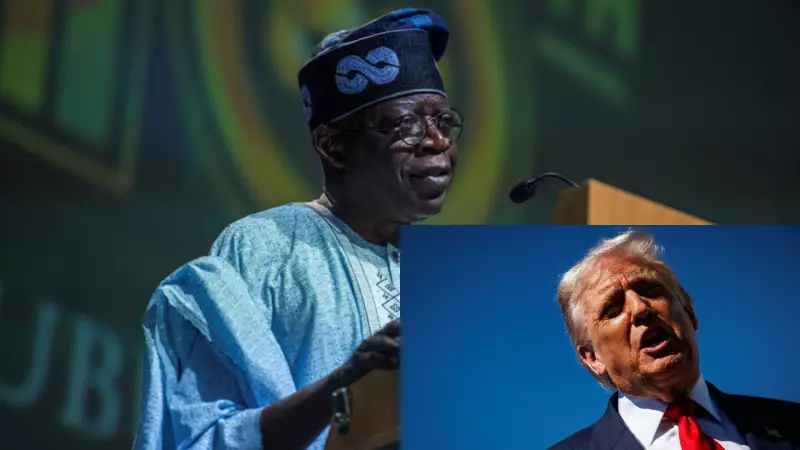
Nigeria finds itself at a critical diplomatic crossroads following U.S. President Donald Trump's controversial decision to designate the country as a "Country of Particular Concern" over alleged Christian persecution. The situation escalated dramatically when Trump threatened to "use the military to defend Christians in Nigeria," crossing what experts describe as a dangerous line in international relations.
Tinubu's Legacy of Religious Inclusion
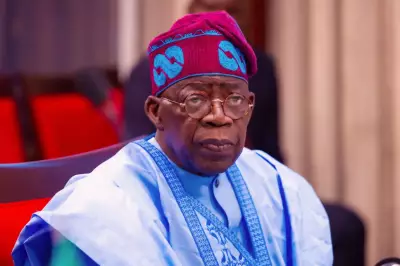
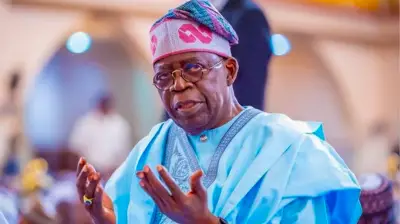
President Bola Tinubu's approach to religious matters stands in stark contrast to the simplified narrative presented by the American administration. Though a Muslim, Tinubu married a Christian pastor and has consistently demonstrated commitment to religious harmony throughout his political career. His tenure as Governor of Lagos State featured a remarkable initiative that continues to resonate today.
In the year 2000, Tinubu founded the Lagos State Annual Thanksgiving Service, which grew into one of the largest Christian gatherings in Southwest Nigeria. This was not mere political theater but a genuine expression of statesmanship that celebrated Nigeria's rich diversity. He attended these services as a servant leader for all people—Christian, Muslim, and others—establishing a powerful precedent for national unity that remains relevant in today's challenging climate.

The Complexity of Nigeria's Religious Dynamics
The reality of Nigeria's religious landscape is far more nuanced than Trump's characterization suggests. While the country does experience violent conflicts where religion intersects with ethnicity and poverty, labeling these crises as simple "Christian persecution" represents an oversimplification that ignores the complex underlying factors.
Successive Nigerian governments, led by both Muslims and Christians, have consistently condemned extremism and taken concrete action against those who seek to inflame religious divisions. Trump's posture, however, disregards these facts and reframes Nigeria's domestic challenges as part of a global crusade, potentially emboldening extremists and further fracturing communities.
The Power of Strategic Diplomacy
As a corporate diplomacy expert, I've witnessed how scenario-based strategy, rather than emotional outrage, determines outcomes in international relations. True power manifests not through military might alone but through credibility, strategic alliances, and skillful communication.
History provides compelling evidence of diplomacy's effectiveness even in the most dire circumstances. During the 1962 Cuban Missile Crisis, the world stood seconds away from nuclear annihilation. Yet through quiet negotiation between U.S. President John F. Kennedy and Soviet Premier Nikita Khrushchev, a peaceful resolution emerged that averted global catastrophe. The same principles of dialogue over force can guide Nigeria's response today.
Nigeria must resist defensive reactions and instead deploy smart diplomacy to reframe the narrative. The path forward involves strategic engagement through bilateral relations, regional blocs like ECOWAS and the African Union, and international platforms where Nigeria can accurately represent its realities.
A Call for Composed Leadership
When a Muslim governor created a Christian thanksgiving celebration, he demonstrated the essence of effective diplomacy: listening, inclusion, and respect. Nigeria's leaders must now exhibit these same qualities on the international stage. While we cannot control how others perceive us, we can control how we present ourselves through proactive communication grounded in national dignity.
Trump's rhetoric may be provocative, but Nigeria's most effective response lies in composure rather than confrontation. True power encompasses narrative control, legitimacy, and alliance-building—elements far more sustainable than temporary military posturing.

Nigeria stands at a defining moment where the challenge extends beyond proving Christian safety or Muslim fairness. The fundamental objective is to demonstrate that Nigeria possesses the capability to solve its own problems with balance and foresight. True diplomacy represents not silence but strategic communication—the ability to transform political provocation into partnership opportunities.
By channeling its response through professionalism, restraint, and intelligent diplomacy, Nigeria will not only protect its international image but significantly strengthen its global standing. The principles that sustain successful global brands—trust, transparency, and consistency—equally apply to nations navigating complex international relationships.
In this critical moment, Nigeria must choose these principles over fear and anger to defend both its sovereignty and its national soul.