Diplomatic Crisis Erupts Between Peru and Mexico
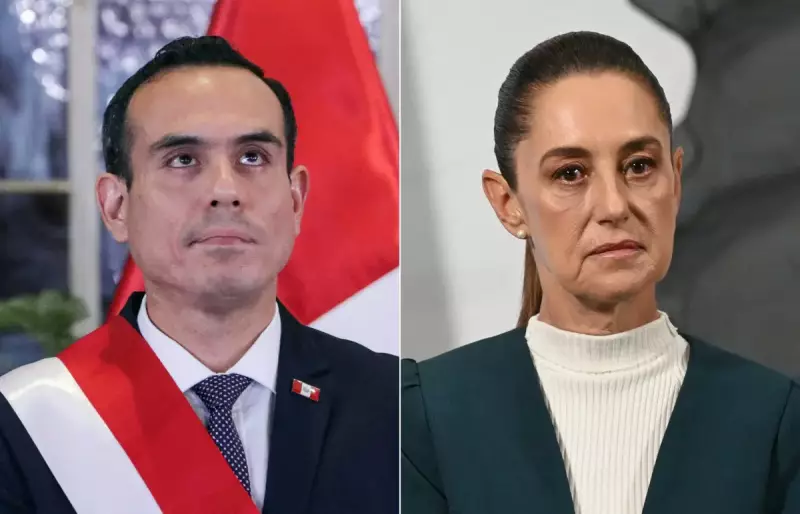
The diplomatic relationship between Peru and Mexico has hit a devastating new low. Peru's Congress has officially declared Mexican President Claudia Sheinbaum 'persona non grata,' a severe diplomatic rebuke that labels her an unwelcome person in the country. This historic decision, taken on Thursday, represents the most aggressive action yet in a rapidly escalating feud between the two nations.
Roots of the Conflict: Asylum and Alleged Interference
The core of this dispute traces back to the dramatic ousting of former Peruvian President Pedro Castillo in December 2022. Castillo, a leftist leader, was removed by Congress after his attempt to dissolve the legislative body was widely condemned as a coup. Following his fall, his former Prime Minister, Betssy Chávez, was charged with rebellion and abuse of authority. While Castillo remains in custody, Chávez was released on bail and recently sought protection inside the Mexican embassy in Lima.
Mexico, standing by its tradition of offering humanitarian aid, granted Chávez political asylum. Peru's government, led by interim President José Jerí, views this act as an unacceptable and unfriendly interference in its sovereign affairs. In a firm response, Peru formally broke off diplomatic relations with Mexico and gave the top Mexican diplomat a strict deadline to leave the country.

Congressional Vote and Regional Repercussions
The legislative action was decisive. Peru's Congress passed the measure against President Sheinbaum with a 63-33 vote. Right-wing acting Congress President Fernando Rospigliosi justified the move, stating that Sheinbaum had engaged in clear interference in Peru's internal matters, not just through statements but by granting asylum to Chávez.
Mexico's Foreign Affairs Ministry has fiercely rejected the declaration, calling it based on false claims. They maintain that offering asylum to Chávez—who denies all charges and claims political persecution—was done in strict compliance with international law, specifically the 1954 Caracas Convention on diplomatic asylum, which both countries recognize.
As the situation develops, the Peruvian Foreign Ministry is reviewing this international law while considering Mexico's request for a safe passage document. This document would allow Chávez to leave the embassy for Mexico without facing immediate arrest.
The move has not been without domestic criticism. Socialist lawmaker Jaime Quito slammed the Congress's decision, accusing it of 'once again, making an international embarrassment by breaking relations with our sister country Mexico.' This escalating tension highlights the deep political divisions in the region and has plunged the historically strained ties between Lima and Mexico City to their worst point in decades.