South Africa's Ramaphosa Thanks Putin for Return of Citizens from Ukraine War
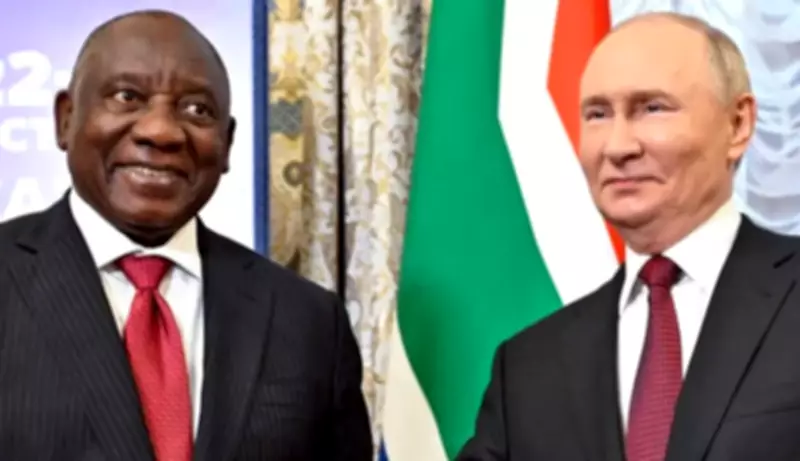
South African President Cyril Ramaphosa has extended his heartfelt gratitude to Russian President Vladimir Putin for his assistance in facilitating the return of South African nationals who were reportedly drawn into the Russia–Ukraine conflict under false pretenses. This diplomatic gesture comes as a significant development in a case that has raised serious concerns about deceptive recruitment practices and the involvement of foreign fighters in the ongoing war.
Details of the Return Operation
According to an official statement released by the South African presidency, 15 out of 17 South African men who were allegedly misled into joining Russian-linked mercenary groups have either returned home or are in the process of doing so. Specifically, four individuals arrived back in South Africa last week, while eleven others are expected to return shortly. Two individuals remain in Russia, with authorities monitoring their situation closely.
The statement emphasized that President Ramaphosa expressed his heartfelt gratitude to President Vladimir Putin, who responded positively to his call to support the process of returning the men home. This cooperation highlights the diplomatic channels being utilized to address the plight of citizens caught in international conflicts.

Background of the Distress Calls
In November, the South African government revealed it had received distress calls from the men, who claimed they were trapped in the Donbas region of eastern Ukraine. They reported being lured with promises of employment or other opportunities that reportedly turned out to be false, leading to their involvement in mercenary activities. South African law strictly prohibits citizens from serving in foreign armed forces without government authorization, making this case a legal and ethical concern.
Ongoing Investigations and Political Controversy
Authorities have confirmed that an investigation is ongoing into how these men were recruited. Officials described their activities as mercenary in nature, and the probe aims to uncover the networks and methods used in this deceptive recruitment. The issue has also stirred political controversy within South Africa, adding a domestic dimension to the international incident.
- A daughter of former president Jacob Zuma recently resigned from parliament following accusations that she was linked to recruitment efforts.
- Local reports alleged that some of the men had been sent to Russia for security-related training connected to the MK party led by Zuma, who served as president from 2009 to 2018.
Broader Context of Foreign Fighters in the Ukraine War
The war, which began with Russia's 2022 invasion of Ukraine, has drawn foreign fighters from multiple countries, including several African nations. Ukrainian officials previously claimed that more than 1,400 nationals from 36 African states had been identified among Russian forces. This highlights a wider trend of international involvement in the conflict, often through questionable recruitment practices.
Separate media investigations have underscored allegations of deceptive recruitment across parts of Africa. For instance, in one case, Kenyan nationals said they were promised well-paying jobs abroad but instead found themselves deployed in Russia, mirroring the experiences of the South Africans. These reports point to a pattern of exploitation targeting vulnerable individuals in various regions.
Government Commitment and Future Steps
The South African government has pledged to continue its probe into the recruitment scandal while ensuring the safe return of the remaining citizens. This commitment reflects a broader effort to protect nationals from such risks and uphold the rule of law. As the investigation progresses, it may shed light on the mechanisms behind these recruitment drives and lead to stronger preventive measures.

In summary, this incident underscores the complex interplay of diplomacy, security, and human rights in the context of the Ukraine war. President Ramaphosa's gratitude to Putin marks a step toward resolving a humanitarian issue, but it also raises important questions about accountability and the prevention of similar cases in the future.