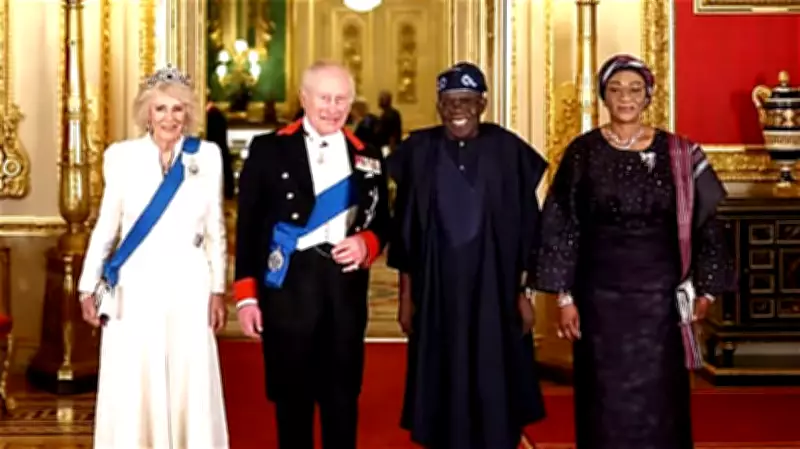
Tinubu's UK State Visit: A Diplomatic Move Amidst Domestic Governance Challenges
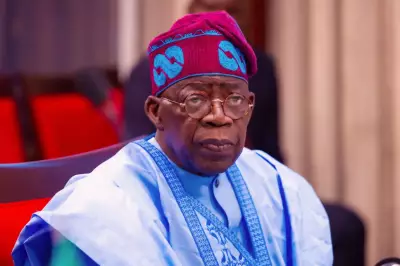
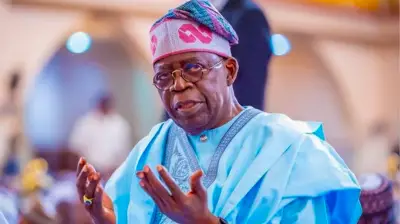
President Bola Ahmed Tinubu's recent state visit to the United Kingdom has, as anticipated, elicited a spectrum of reactions within Nigeria, ranging from admiration to skepticism and outright criticism. For some, this engagement represents a vital reconnection with a longstanding partner, given the deep historical, economic, and political ties between Nigeria and the UK. For others, it appears as a concerning display of diplomatic extravagance at a time when Nigeria faces overwhelming insecurity, economic instability, and growing social discontent.
Ceremonial Significance and Symbolic Weight
Objectively, high-level diplomatic visits like this one are rarely without merit. They provide opportunities for bilateral negotiations, strengthening trade relations, accessing development financing, and renewing cooperation in critical sectors such as education, defense, and infrastructure. However, in the Nigerian context, such engagements must be carefully weighed against the stark domestic realities: a nation grappling with persistent violence, institutional weaknesses, and a citizenry increasingly disillusioned with governance.
From an optical standpoint, state visits carry significant symbolic weight. They reinforce Nigeria's status within the international community and signal continuity in diplomatic relations with key global actors. The fact that Nigeria has not been accorded such ceremonial prominence since 1989 highlights the rarity of this occasion, marking a moment of prestige that reflects the country's enduring relevance on the global stage.

Yet, symbolism alone is insufficient at this stage of Nigeria's development. In a nation where citizens measure governance less by diplomatic pageantry and more by tangible improvements in their daily lives, the optics of such a visit can easily become counterproductive. The spectacle of a large presidential entourage traveling abroad, amid reports of communities under siege by armed groups and thousands displaced, inevitably raises pressing questions about national priorities. Leadership, especially in times of crisis, is judged not by appearances but by responsiveness and effectiveness.
Potential Economic and Diplomatic Dividends
There is no doubt that the United Kingdom remains a critical partner in Nigeria's political economy. Trade relations between the two countries are substantial, with the UK serving as a key destination for Nigerian exports and a source of foreign direct investment. Beyond trade, there are opportunities for development financing, technical assistance, and educational collaboration, particularly for Nigerian students and graduates seeking opportunities abroad.
If properly leveraged, this visit could unlock new avenues for economic cooperation. Nigeria, facing fiscal constraints and mounting debt obligations, stands to benefit from concessional loans, investment guarantees, and capacity-building initiatives. Infrastructure development, energy transition, and digital innovation are areas where UK support could prove invaluable.
Equally important is the question of human capital development. Nigerian students form a significant portion of the international student population in the UK, contributing both economically and culturally. However, recent changes in UK immigration policies, particularly restrictions on work opportunities for foreign students, have generated concerns. These policies not only affect the financial sustainability of Nigerian students in the UK but also limit their ability to acquire practical experience during their studies.
With President Tinubu's visit, it is imperative for Nigerian leaders to advocate for policies that treat Nigerians with fairness and dignity. Reports of discriminatory practices and rising incidents of racism against foreigners, including Nigerians, cannot be ignored. Diplomatic engagement must go beyond trade figures to address the lived experiences of Nigerian citizens in the UK.

Security Cooperation and Socioeconomic Contrasts
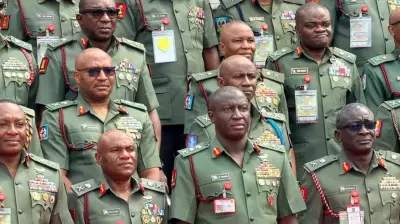
Furthermore, military cooperation between Nigeria and the United Kingdom appears to have waned in recent years. At a time when Nigeria faces complex security challenges—from insurgency in the North-East to banditry and communal violence in other regions—renewed defense collaboration is essential. The UK, with its advanced military capabilities and experience in counterterrorism, remains a valuable partner in this regard.
Tinubu's engagement with British authorities should have, therefore, prioritized clarity on the extent of support Nigeria can realistically expect. Intelligence sharing, training programs, and logistical assistance could significantly enhance Nigeria's capacity to combat terrorism. However, such cooperation must be grounded in mutual respect and a clear understanding of Nigeria's strategic needs.
Again, the socioeconomic contrast between Nigeria and the United Kingdom reveals a stark disparity. While the UK grapples with its own economic challenges, it remains a highly developed nation with robust institutions, social safety nets, and relatively stable governance structures. Nigeria, by contrast, continues to struggle with poverty, unemployment, inflation, and infrastructural deficits. This contrast is not merely academic; it shapes the perception of the visit.
Timing, Context, and the Path Forward
The criticism, therefore, is not necessarily about the visit itself but about its timing and context. Nigeria is in the throes of a security crisis that demands urgent and sustained attention. Reports of daily killings, kidnappings, and displacements paint a grim picture of a state struggling to assert control over its territory. As Commander-in-Chief, President Tinubu bears the ultimate responsibility for addressing this crisis.
Diplomacy, while important, cannot substitute for effective governance. No amount of international recognition or ceremonial prestige can compensate for a failure to protect lives and property. Indeed, the legitimacy of any government rests fundamentally on its ability to ensure the security and welfare of its citizens.
Therefore, the success of Tinubu's UK visit will ultimately be judged not by the agreements signed or the photographs taken, but by its impact on the lives of ordinary Nigerians. Will it translate into improved security? Will it lead to tangible economic benefits? Will it enhance the dignity and opportunities of Nigerians at home and abroad?
There is also a need for prudence in governance. The size and composition of official delegations for such trips should reflect a commitment to fiscal responsibility, particularly in a period of economic strain. Public perception matters, and government actions must inspire confidence rather than skepticism.
Nigeria's engagement with international partners is essential for economic growth, security cooperation, and technological advancement. However, such engagement must be purposeful, strategic, and aligned with national priorities. Diplomatic engagements must not distract from the urgent task of nation-building. The restoration of peace and order, the strengthening of institutions, and the delivery of economic stability remain the true benchmarks of leadership.