Trump Blasts ‘Useless’ NATO After Strait of Hormuz Reopens as He Declares Iran Will ‘Never Use Waterway as Weapon Again’
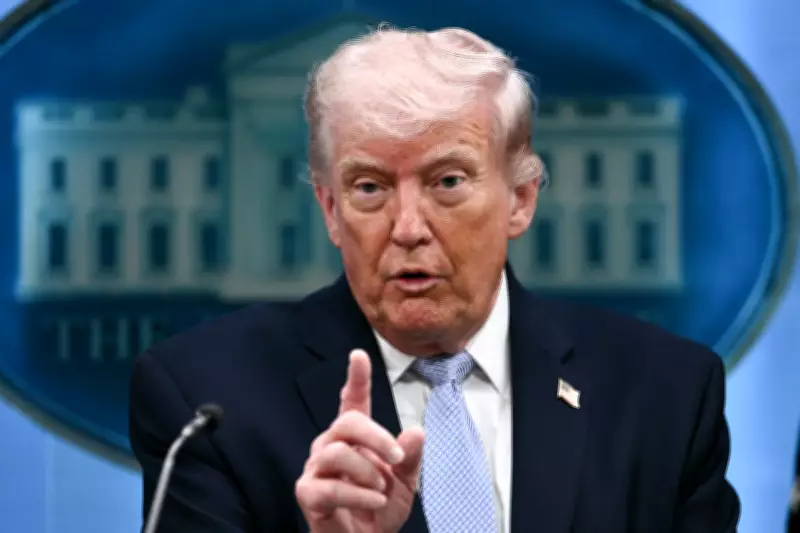
US President Donald Trump has once again launched a scathing critique of NATO allies, while simultaneously claiming that Iran will not shut the Strait of Hormuz again, as tensions continue to ease following a temporary ceasefire in the region.
Trump's Sharp Criticism of NATO Allies
In a series of pointed remarks, President Trump stated he had explicitly warned allied nations to stay out of the situation, accusing them of failing to act when their support was most needed. “I told them to stay away, unless they just want to load up their ships with oil,” he declared, adding that they were “useless when needed” and describing the entire alliance as a “paper tiger.”
These comments arrive in the wake of Iran signaling that the strategically vital Strait of Hormuz is now open to commercial shipping for the duration of the ceasefire, significantly easing global fears over potential oil supply disruptions.

Iran's Announcement on the Strait's Reopening
Iran’s foreign minister, Abbas Aragchi, confirmed that the waterway would permit “all commercial vessels” to pass through, provided they adhere to designated maritime routes. However, Iranian authorities made it clear that military vessels would not be granted permission to transit the strait during this period.
US Naval Blockade to Remain in Place
Despite the reopening, President Trump confirmed that a US naval blockade targeting Iranian-linked shipping would remain firmly in place. “The blockade will remain in full force as it pertains to Iran until our transaction is 100% complete,” he asserted, referring to ongoing high-stakes negotiations aimed at securing a longer-term peace agreement between the United States and Iran.
The blockade specifically applies to:
- Iranian-flagged ships
- Vessels that have recently visited Iranian ports
- Ships carrying sanctioned Iranian oil
Meanwhile, non-Iranian commercial traffic is expected to resume cautiously, with shipping companies exercising significant prudence after weeks of conflict and operational disruption.
Mine Removal and International Response
Trump also claimed that Iran, with assistance from the United States, is actively engaged in removing sea mines from the waterway—a critical step toward restoring safe and unimpeded navigation. He hailed the reopening as a major diplomatic breakthrough, calling it “a great and brilliant day for the world” and asserting that Iran had formally agreed not to leverage the strait as a geopolitical weapon in the future.
In a parallel development, UK Prime Minister Keir Starmer and French President Emmanuel Macron have discussed plans for a joint defensive mission to help secure safe passage through the strait. This initiative includes potential mine-clearing operations to further stabilize the maritime corridor.
Cautious Optimism and Future Prospects
While the reopening has injected a dose of optimism into global energy markets, shipping firms remain understandably cautious about immediately resuming full operations through the area. President Trump suggested that a broader peace deal between the US and Iran could be finalized soon, noting that “most of the points are already negotiated” and that talks were advancing at a rapid pace.
The Strait of Hormuz, a critical global oil transit route, has been at the epicenter of recent international conflict. Its temporary closure and subsequent reopening have had profound and far-reaching impacts on global energy markets and international trade dynamics, underscoring the waterway's strategic importance to the world economy.