Trump Declares Permanent Opening of Strategic Hormuz Strait
Former United States President Donald Trump has made the bold assertion that he is "permanently opening" the strategically vital Strait of Hormuz, despite the fact that international shipping has continued to operate through this crucial maritime passage throughout recent tensions in the Persian Gulf region.
China's Alleged Agreement on Iran Weapons
In a significant social media statement, Trump claimed that his decision to reopen the strait was partially motivated by benefits to China and global trade networks. "China is very happy that I am permanently opening the Strait of Hormuz. I am doing it for them, also — and the world," Trump declared in his post. He further asserted that Beijing had agreed to stop sending weapons to Iran as part of this arrangement.
The former president elaborated on this diplomatic development, stating, "They have agreed not to send weapons to Iran. This situation will never happen again." These remarks were officially shared through The White House social media account on April 15, 2026, amplifying Trump's claims about the changing dynamics in the region.

Ongoing Maritime Operations Despite Tensions
This announcement comes after weeks of heightened geopolitical strain following the US-Iran conflict earlier in the year, which raised substantial global concerns about potential disruptions to oil shipments through this narrow but essential waterway. The Strait of Hormuz represents one of the world's most critical energy corridors, responsible for transporting approximately 20% of global oil supplies from Persian Gulf producers to international markets.
Throughout the conflict period, Trump repeatedly issued warnings to Iran against any attempts to block this strategic route, threatening severe retaliation if shipping through the strait faced disruption. At one particularly tense moment, he even threatened military strikes against Iran's primary oil export terminal on Kharg Island should Tehran interfere with international maritime traffic.
Continued Commercial Traffic and Diplomatic Developments
Despite these threats and the underlying tensions, commercial maritime traffic through the Strait of Hormuz has persisted uninterrupted. Numerous commercial vessels, particularly those associated with Chinese trade interests, have continued moving through the waterway under existing international trade and energy agreements. This continuity has occurred even as China has separately warned the United States against meddling in its bilateral affairs with Iran.
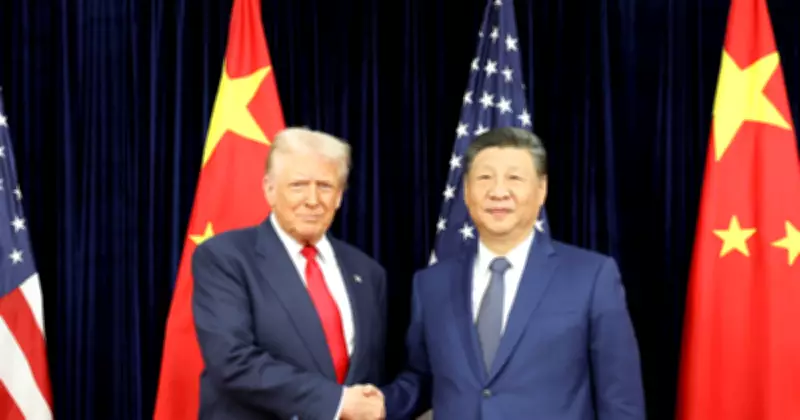
Trump additionally revealed expectations of an upcoming meeting with Chinese President Xi Jinping in the coming weeks, noting that both nations were "working together smartly" and emphasizing that cooperative approaches were preferable to conflict scenarios. This potential diplomatic engagement suggests ongoing negotiations between the two global powers regarding regional stability and trade security.
Global Energy Security Implications
The long-term security of the Strait of Hormuz remains a paramount concern for international energy markets and global economic stability. Any significant disruption to this narrow maritime channel could immediately impact worldwide oil supplies and trigger substantial price fluctuations across global markets. The waterway's strategic importance cannot be overstated, serving as the primary transit route for oil exports from major producers including Saudi Arabia, Iraq, the United Arab Emirates, and Kuwait.
Global naval powers have maintained consistent military and commercial operations in the region throughout the crisis period, ensuring that the strait has remained accessible to international shipping despite political tensions. This ongoing presence underscores the critical importance that the international community places on maintaining free navigation through this essential maritime corridor.