Trump Declares Iran 'Collapsing Financially' Amid Hormuz Closure Dispute
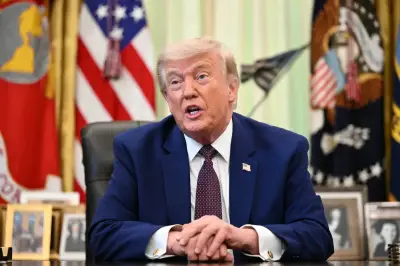
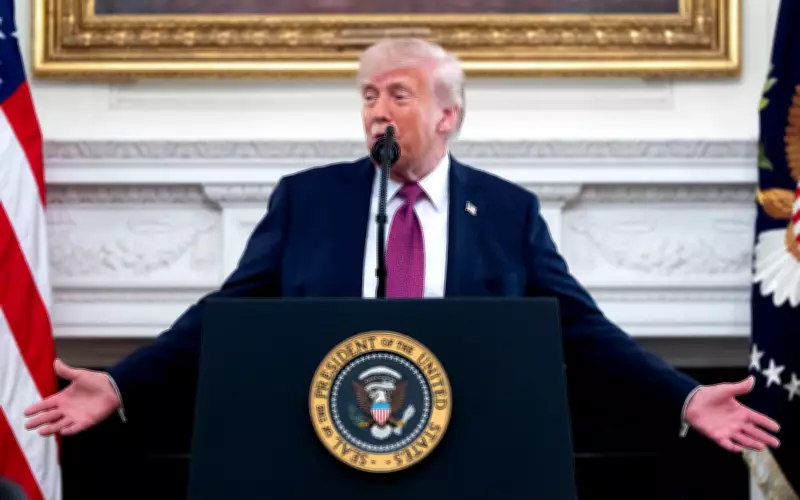
Former United States President Donald Trump has made a bold assertion that Iran is "collapsing financially" as a direct result of the ongoing closure of the strategic Strait of Hormuz. In a series of posts on his Truth Social platform, Trump detailed his claims, suggesting the Islamic Republic is in dire economic straits due to the blockade.
Financial Strain and Military Unrest Alleged
Trump wrote emphatically, "Iran is collapsing financially! They want the Strait of Hormuz opened immediately." He further alleged that Iran is "starving for cash" and that its military and police forces are actively complaining about not receiving their salaries. His message concluded with a dramatic "SOS!!!" indicating a perceived state of emergency within the country.
These comments followed Trump's announcement that he was indefinitely extending a two-week ceasefire with Iran, citing the Tehran government as "seriously fractured." This move underscores the tense geopolitical landscape surrounding the waterway.

Blockade Reversal and Economic Impact
The situation escalated when Iran briefly lifted its own blockade last week after a ceasefire between Israel and Hezbollah. However, Iran quickly reversed this decision after the United States declared it would maintain its blockade on Iran-linked shipping, which had been imposed on April 13, just five days into the truce.
According to Trump, the financial toll on Iran is staggering. He claimed that Iran is "losing 500 Million Dollars a day" because the US closure prevents Tehran from taxing vessels navigating through the Strait of Hormuz. In a separate post, Trump reiterated, "They want it open so they can make $500 Million a day," highlighting the economic motivation behind Iran's stance.
Strategic Leverage and Negotiation Stance
Trump positioned the US blockade as a critical tool in negotiations with Iran. He warned that if he agrees to reopen the strait, "There can never be a Deal with Iran, unless we blow up the rest of their country, their leaders included!" This statement reflects a hardline approach, emphasizing the blockade's role as leverage.
He also suggested that Iran's public desire for the strait's closure is merely a face-saving measure, stating, "They only say they want it closed because I have it totally BLOCKADED (CLOSED!). They merely want to save face." This marks a departure from the Pentagon's original framing, which targeted only Iran-linked ships rather than the entire strait.
US Treasury Perspective on Revenue Lifelines
Supporting the economic pressure narrative, US Treasury official Scott Bessent commented on X that the US blockade "directly targets the regime's primary revenue lifelines" by constraining maritime trade. Bessent pointed to Kharg Island, a key Iranian shipping hub through which 90 percent of Tehran's oil exports pass, noting that storage there will fill up and fragile oil wells will be shut in due to the blockade.
This multifaceted conflict underscores the high stakes involved in controlling the Strait of Hormuz, a vital chokepoint for global oil shipments. The financial and strategic implications continue to unfold as both nations navigate this tense standoff.