Trump Reasserts Control Over Iran Strike Narrative Amid Rubio Comments
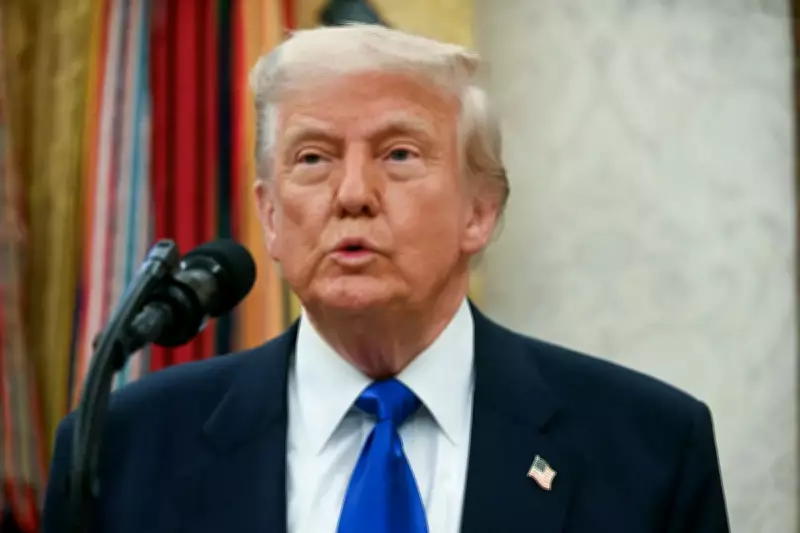
US Leader Donald Trump and senior members of his administration have forcefully reasserted control of the narrative surrounding the recent American military strikes on Iran. This move comes after comments from Secretary of State Marco Rubio suggested that Washington acted in anticipation of an Israeli operation, sparking significant political backlash and constitutional debates.
Rubio's Remarks Trigger Political Firestorm
Rubio ignited controversy when he revealed that US officials were aware Israel was preparing to take military action against Iran. "We knew that there was going to be an Israeli action," Rubio stated on Monday. "We knew that that would precipitate an attack against American forces, and we knew that if we didn't pre-emptively go after them before they launched those attacks, we would suffer higher casualties."
These remarks triggered immediate speculation that the United States had been drawn into conflict by Israel rather than acting independently. Democrats quickly seized on the comments, arguing that only Congress has the constitutional authority to declare war. Even segments of Trump's MAGA base expressed concern about the implications of Rubio's statements.

White House Pushback and Trump's Clarification
The White House swiftly pushed back against the narrative that Trump had been pressured into military action. Press Secretary Karoline Leavitt dismissed claims that Israel had dragged the United States into war with Iran, posting on social media platform X: "No, Marco Rubio Didn't Claim That Israel Dragged Trump into War with Iran."
Later, during an Oval Office meeting with German Chancellor Olaf Scholz, Trump emphasized that his decision was based entirely on US intelligence assessments and stalled nuclear negotiations with Tehran. "Based on the way the negotiation was going, I think they (Iran) were going to attack first. And I didn't want that to happen," Trump explained. "So, if anything, I might have forced Israel's hand."
Background of US-Iran Tensions
The recent strikes mark one of the most significant escalations in US-Iran tensions in recent years. Relations between Washington and Tehran have been strained for decades, primarily over Iran's nuclear ambitions and its support for regional proxy groups throughout the Middle East. Israel, led by Prime Minister Benjamin Netanyahu, has consistently advocated for a tougher stance on Iran, citing security concerns and alleged missile and nuclear developments.
Rubio's Clarification and Congressional Concerns
Rubio later attempted to clarify his position, reiterating that the military operation was inevitable regardless of Israeli actions. After briefing members of Congress, he insisted: "No, I told you this had to happen anyway. The president made a decision. The decision he made was that Iran was not going to be allowed to hide... behind this ability to conduct an attack."
Critics argue that the administration's shifting explanations have created confusion and raised serious constitutional concerns. Some lawmakers contend that Congress was not properly consulted before the strikes were launched, violating the War Powers Resolution that requires congressional authorization for extended military engagements.
Political Fallout and Republican Divisions
As the United States approaches crucial midterm elections that could determine control of Congress, the political stakes surrounding this military action are exceptionally high. Senator Tom Cotton defended Trump during an appearance on "Fox & Friends," stating emphatically: "No one pushes or drags Donald Trump anywhere. He acts in the vital national security interest of the United States."
However, dissent has also emerged within Republican ranks. Representative Marjorie Taylor Greene warned on social media platform X that the country is increasingly divided between those who support foreign military interventions and those who prefer a focus on domestic economic issues. This internal Republican disagreement highlights the complex political landscape surrounding national security decisions.

The administration continues to emphasize that the strikes were a necessary preemptive measure based on intelligence indicating imminent Iranian aggression. Meanwhile, constitutional scholars and political opponents maintain that the executive branch has overstepped its authority, setting the stage for continued debate as the midterm elections approach.