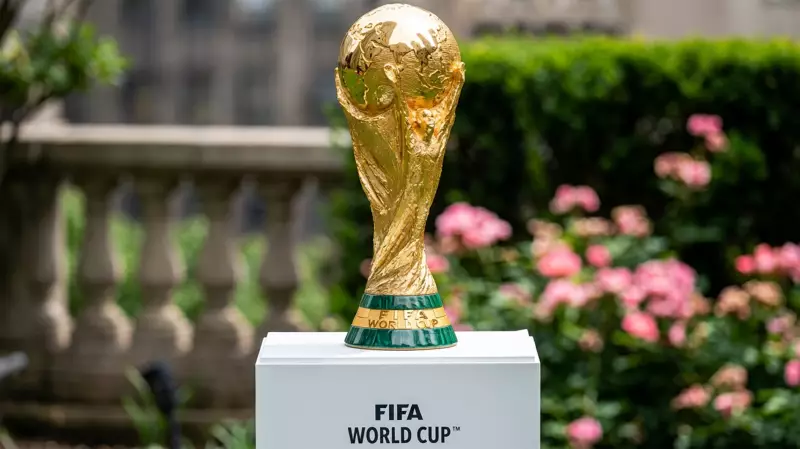
Nigerian football enthusiasts hoping to witness the 2026 FIFA World Cup in the United States are confronting a significant barrier: a sweeping travel ban imposed by the administration of former President Donald Trump. The policy, which took effect on January 1, 2026, has placed Nigeria among 75 nations facing severe restrictions on entry to the U.S., potentially shattering the dreams of many fans.
Details of the Expanded Travel Restrictions
The core of the issue is Presidential Proclamation 10998, which Trump signed citing "screening and vetting deficiencies" as the primary justification. According to a leaked memo reported by dailystar.co.uk, the directive aims to "pause" all visa processing for the listed countries. U.S. State Department spokesperson, Tommy Piggott, stated the move uses existing authority to deny entry to potential immigrants deemed likely to become a "public charge" on American resources.
The proclamation expands on previous bans, now including countries the administration claims have populations that may rely on state aid, possess unreliable civil documents, or have a "historical terrorist presence." The policy shift was reportedly accelerated after a high-profile security incident in November 2025, involving the shooting of National Guard members in Washington, D.C., allegedly by an Afghan national.

Multiple Hurdles for Nigerian Applicants
For Nigerians, the path to a U.S. visa for the World Cup is now fraught with multiple layers of scrutiny. While the U.S. Embassy in Nigeria outlines standard requirements—a valid passport, completed DS-160 form, paid fees, and an interview in Abuja or Lagos—the new reality is much stricter. Applicants must now prove exceptionally strong ties to Nigeria and clear intent to return, alongside demonstrating financial stability and providing detailed travel plans.
Furthermore, a new directive specifically targeting clinically obese foreigners adds another potential barrier to visa approval. The State Department's public charge checks are now a central part of the process, with Fox News reporting that only "very limited" exceptions will be allowed. The administration argues that many of the 75 listed nations have citizens who may lack the financial means to support themselves without public benefits in the U.S.
Broader Impact on Fans and Journalists
The travel ban's impact extends beyond Nigerian fans. Supporters from other qualified African nations like Senegal and Cote d'Ivoire are also affected. Even fans with existing U.S. visas or dual nationality face risks; their visas could be cancelled if they are found engaged in 'unacceptable' social media activities, a term broadly defined by U.S. immigration authorities.
The situation is compounded by the Super Eagles' failure to qualify for the tournament. This non-participation has a ripple effect, making it exceedingly difficult for Nigerian journalists to secure sponsorship for travel, as brands are less inclined to invest when the national team is absent. This echoes the experience from the 2022 Qatar World Cup, where only a handful of accredited Nigerian journalists could attend due to funding shortages.
A glimmer of hope remains if Nigeria wins its ongoing protest against DR Congo for fielding ineligible players during the African qualifiers. A successful appeal would see the Super Eagles advance to an inter-confederation playoff in March, potentially revitalizing fan and commercial interest. However, for now, the combination of high travel costs and stringent U.S. immigration policies has made the dream of attending the 2026 World Cup a distant possibility for most Nigerians.