UAE Issues Stern Warning to Iran Over Continued Missile and Drone Attacks
The United Arab Emirates has delivered a clear and forceful warning to Iran, indicating that it may transition to a more aggressive military stance if the ongoing barrage of missile and drone attacks on its territory does not cease immediately. This statement comes as tensions across the Gulf region continue to escalate dramatically, raising concerns about a broader regional conflict.
Minister Al-Hashimy Emphasizes Defensive Readiness and Hope for De-escalation
In an exclusive interview with CNN's Becky Anderson, Minister of State for International Cooperation Reem Al-Hashimy articulated the UAE's position with striking clarity. She affirmed that the nation remains fully prepared to defend itself against any aggression but expressed a strong desire to avoid further escalation through diplomatic means.
"We are prepared to defend ourselves. We hope it doesn't come to it, but we're not going to sit idly by as we continue to be recipients of such a barrage of attacks," Al-Hashimy stated emphatically. When pressed on whether the UAE could shift into a more combative role, she responded with a firm declaration: "If it needs to come to that, it will come to that."

She further placed the responsibility squarely on Tehran's shoulders, noting, "The ball is in Iran's court about how they want to deal with a neighborhood and a neighbor that has traditionally been a very fair and good neighbor to them." This diplomatic language underscores the UAE's preference for peaceful resolution while signaling that patience is wearing thin.
Unprecedented Attack Details and Regional Implications
This warning follows what Emirati officials have described as one of the largest and most direct assaults on the country in recent history. According to detailed reports from the UAE Ministry of Defence, Iran launched a massive offensive involving at least 137 ballistic missiles and 209 drones targeting the Emirates.
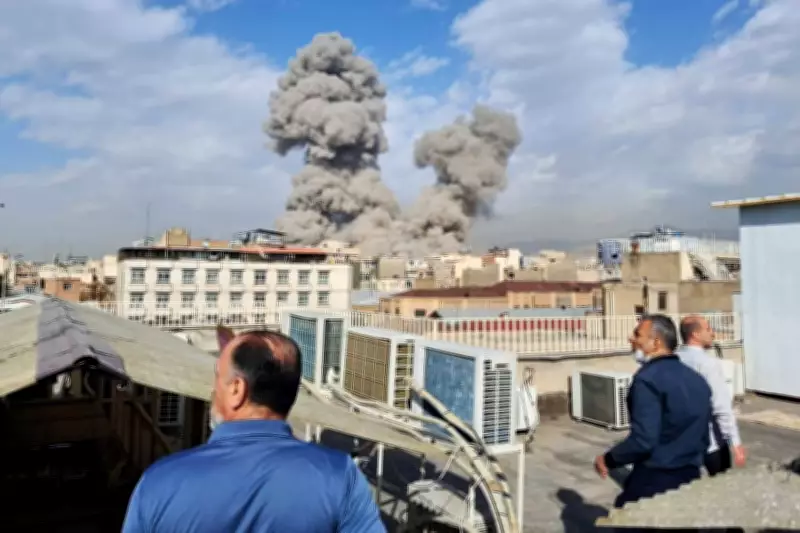
Authorities confirmed that the vast majority of these projectiles were successfully intercepted by advanced air defense systems. However, 14 drones reportedly managed to breach defenses and impact key urban centers, including the capital Abu Dhabi and the bustling commercial and tourism hub of Dubai.
This unprecedented attack has significantly heightened fears of a broader regional spillover from the ongoing conflict between Israel and Iran. The UAE, a crucial Gulf ally of the United States and a major economic powerhouse in the Middle East, has thus far framed its responses as purely defensive. However, the latest comments from senior officials suggest that strategic patience may be diminishing as hostilities expand following recent US and Israeli strikes on Iranian targets.
Robust Defense Infrastructure and Commitment to Security
Minister Al-Hashimy took great care to highlight the robustness of the UAE's defensive capabilities during her interview. "We have one of the best air-to-missile defense systems in the world and we are doing everything to ensure that we are safe and secure," she asserted confidently.
She further elaborated on the nation's infrastructure resilience, stating, "We are in a safe place that has very strong infrastructure. We will leave no stone unturned to make sure that continues to be the case for all of our citizens and residents alike." This reassurance aims to maintain public confidence while underscoring the government's unwavering commitment to national security.
The escalating situation presents a critical juncture for Gulf diplomacy and regional stability. As the UAE positions itself firmly against continued aggression, the international community watches closely to see whether Iran will heed these warnings or risk provoking a more forceful military response from its neighbor.