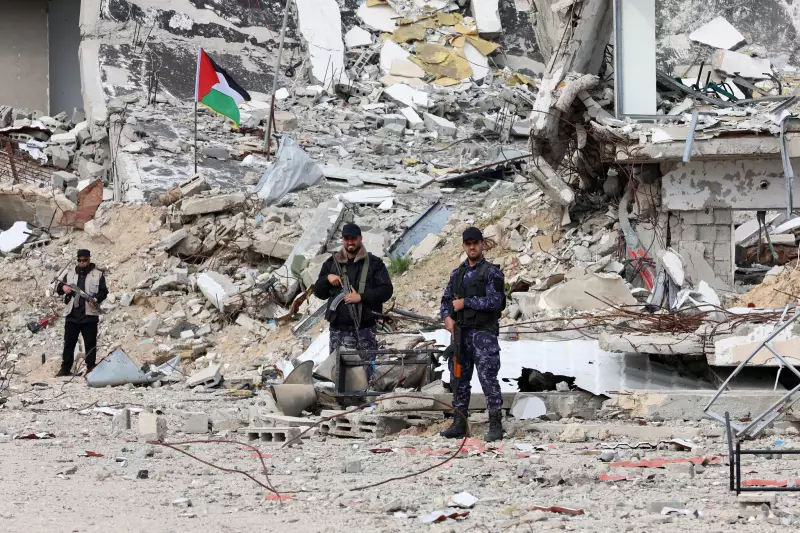
The United States has officially launched the next stage of its ceasefire plan for Gaza, marking a pivotal moment in the ongoing efforts to stabilise the war-torn Palestinian enclave. The announcement, made on Thursday, January 15, also introduced a newly formed committee tasked with overseeing Gaza's daily administration during this critical transition period.
Details of the Ceasefire Plan's Second Phase
US Special Envoy Steve Witkoff outlined that the second phase of the comprehensive 20-point plan will concentrate on three core areas: demilitarisation, technocratic governance, and reconstruction. However, Witkoff stopped short of providing intricate details on how the plan's most challenging components would be executed on the ground.
In a statement posted on X, Witkoff issued a direct warning: “The US expects Hamas to comply fully with its obligations, including the immediate return of the final deceased hostage.” He emphasised that failure to meet these commitments would result in serious consequences.

The transition to this new phase proceeds despite strong objections from Israel. Israeli officials point to a lack of progress on the disarmament of Hamas and the continued holding of the remains of one hostage, Ran Gvili. In a retaliatory measure, Israel has refused to reopen the crucial Rafah border crossing between Egypt and Israel.
Political Reactions and Ongoing Challenges
The Hostages and Missing Families Forum has urgently called on Prime Minister Benjamin Netanyahu to block the move to Phase Two, arguing that Israel's healing process cannot begin until Gvili's remains are returned. Netanyahu, while not directly commenting on the US announcement, reiterated Israel's unwavering demand for the hostage's body to be recovered.
A US official confirmed that efforts to locate Gvili's remains are actively ongoing, with several possible locations under investigation and communication channels remaining open.
A significant element of Phase Two involves the deployment of an International Stabilization Force to Gaza. This force is intended to support Palestinian police units and facilitate Israel's withdrawal from remaining occupied areas. While few nations have publicly pledged personnel, US officials stated that several countries are involved, with formal announcements expected soon.
A New Committee for Gaza's Governance
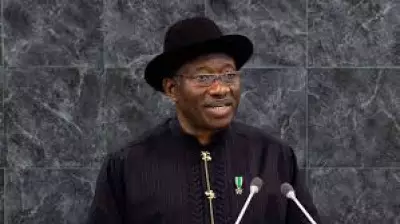
Concurrent with the ceasefire announcement, a new Palestinian National Committee for the Administration of Gaza has been established. This technocratic body is designed to handle governance during the interim period until a reformed Palestinian Authority can assume control—a prospect Netanyahu strongly opposes, along with any moves toward Palestinian statehood.
The Palestinian Authority welcomed the development, thanking US President Donald Trump for his efforts. Factions led by Hamas also expressed support, stating they have directed their agencies to transfer authority to the new committee. However, Israel was granted veto power over committee appointments and insisted that neither Hamas nor the Palestinian Authority have direct representation. Israel's internal security agency has reportedly approved the final list of members.
Analysts caution that while the committee may help restore essential services and alleviate immediate humanitarian suffering, it is not a substitute for accountable political leadership. They argue that lasting stability will require an end to occupation, comprehensive reconstruction, and leadership that truly reflects the will of the Palestinian people.