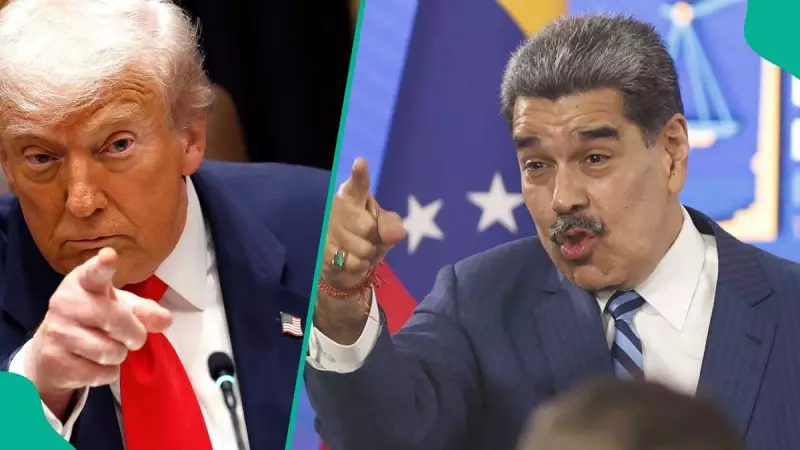
In a stunning geopolitical event, Venezuelan President Nicolás Maduro has been captured and flown out of his country following a United States-led operation. The confirmation came directly from former US President Donald Trump on Saturday, December 3, 2025.
The Dramatic Capture and a Long-Standing Feud
This dramatic development marks a pivotal moment in the bitter, years-long standoff between Caracas and Washington. It throws a global spotlight back on the figure of Nicolás Maduro, forcing the world to examine his unusual rise to power and the deep-seated reasons why American administrations, particularly that of Donald Trump, viewed him as a significant threat.
An Unlikely Path: From Caracas Bus Driver to Presidential Palace
Nicolás Maduro's political origins are far from typical for a head of state. Before entering the corridors of power, he worked as a bus driver in the capital, Caracas. His involvement in trade union activism served as his entry point into politics, eventually catching the eye of Venezuela's charismatic and controversial left-wing leader, Hugo Chávez.

Maduro rose through the ranks within Chávez's circle, serving as the country's foreign minister and later as vice-president. He was personally handpicked by Chávez to be his political heir. Upon Chávez's death in 2013, Maduro assumed the presidency, vowing to continue the Bolivarian Revolution. This hard-left ideology champions socialism, state control over major industries like oil, and staunch opposition to perceived US imperialism in Latin America.
Why Washington Made Maduro a Top Target
The hostility from the United States stems from multiple, serious accusations leveled against Maduro's government over the years.
First, his rule has been consistently marked by allegations of authoritarianism. Western governments and human rights organizations accuse him of dismantling democratic institutions, suppressing dissent, arresting opposition figures, and curtailing press freedom. The US argues that Venezuela ceased to be a functional democracy under his leadership.
Second, the legitimacy of his presidency was fiercely disputed. The United States and many other nations refused to recognize Maduro's re-election in 2018 and again in 2024, citing credible allegations of election manipulation. Washington formally recognized opposition candidates as the rightful winners, leading to increased diplomatic isolation and crippling economic sanctions against his regime.
Third, the relationship was poisoned by narcotics allegations. In 2020, US authorities indicted Maduro on charges related to "narco-terrorism," accusing his government of colluding with powerful criminal drug cartels and failing to cooperate with international anti-drug efforts. Maduro has always denied these charges.
Trump's Personal Crusade: Migration and Oil
Former President Donald Trump adopted an especially aggressive posture toward Maduro. He frequently blamed the Venezuelan leader for the surge in migrants fleeing the country's economic and humanitarian crisis and arriving at the US border.
Trump also accused Maduro of personally benefiting from Venezuela's nationalized oil industry, claiming the country had "stolen" US oil interests through nationalization policies. He went further by alleging direct links between Maduro and cartel activity, claims which were vehemently rejected by Caracas.
The capture of Nicolás Maduro represents the explosive culmination of these multifaceted conflicts, reshaping the political landscape of Latin America and signaling a drastic escalation in US interventionist policy.