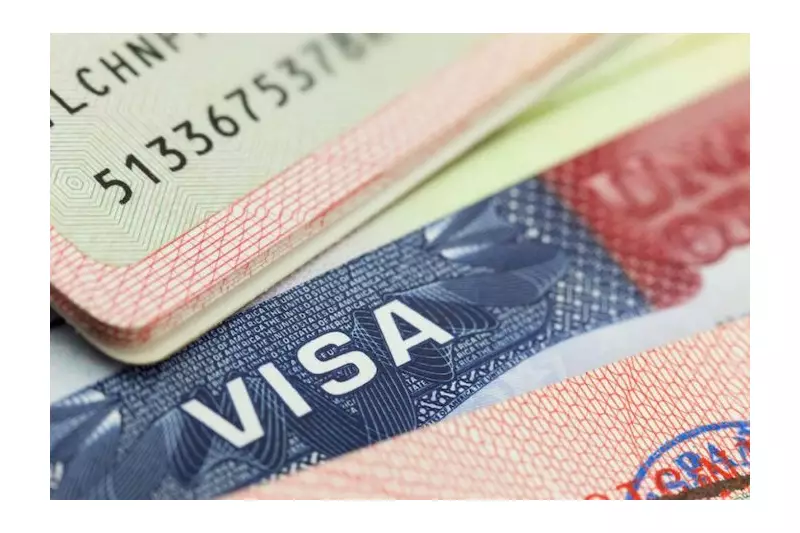
The United States has rolled out stringent new visa requirements that will significantly impact Nigerian travellers. Under the fresh regulations, citizens of Nigeria seeking temporary business or tourist visas could be mandated to post a financial bond as high as fifteen thousand dollars.
Details of the New Visa Bond Mandate
In an official notice, the US State Department outlined the new rule. It states that any national travelling on a passport from the affected countries, who is otherwise eligible for a B1 or B2 visa, must post a bond of $5,000, $10,000, or $15,000. The precise amount will be decided by a consular officer during the visa interview.
The process involves additional paperwork and payments. Applicants are required to submit a Department of Homeland Security Form I-352. Furthermore, they must agree to the bond terms and process the payment through the US Treasury's online platform, Pay.gov.

The authorities have issued a strong warning to applicants. They stress that paying the bond does not guarantee the visa will be issued. Individuals are cautioned against making any payments unless explicitly instructed by a consular officer, as unsolicited fees will not be refunded.
Implementation Date and Entry Restrictions
For Nigerian applicants, this policy is set to take effect on January 21, and it applies universally, regardless of where the application is submitted.
The new requirement is coupled with specific entry restrictions. Those who secure a visa by posting a bond must enter the United States through designated airports. The approved ports of entry include:
- Boston Logan International Airport
- John F. Kennedy International Airport in New York
- Washington Dulles International Airport in Virginia
Conditions for Bond Refund and Context
The bond refund process is strict and conditional. The funds will only be returned under specific circumstances:
- When the Department of Homeland Security confirms the individual left the United States before their authorised stay expired.
- If the visa holder never travelled to the US before their visa expired.
- If the person applied for entry at the border and was refused admission.
This bond policy arrives alongside existing partial travel restrictions on Nigeria. The US government has cited ongoing security challenges as a primary reason. These include the operation of radical groups like Boko Haram and ISIS in certain regions, which complicates screening and vetting procedures.
Another significant factor is the rate of visa overstays. Official data points to a 5.56 percent overstay rate for B1/B2 visas and a much higher 11.90 percent rate for F, M, and J visa categories. These figures have contributed to the decision to implement stricter financial guarantees.