US and Iran Warn of Military Readiness as Ceasefire Talks Reach Critical Impasse
The United States and Iran have both issued stark warnings that they are prepared for war, as uncertainty shrouds stalled negotiations and a crucial ceasefire deadline looms. This escalating standoff has sent ripples through the Middle East and global markets, with fears mounting over potential disruptions to oil supplies.
Diplomatic Efforts in Limbo Amid Accusations and Threats
Washington has indicated that Vice President JD Vance is ready to return to Islamabad for a second round of talks aimed at ending the conflict that has destabilized the region. However, Tehran has not confirmed its participation, instead accusing the United States of violating the truce through a blockade of Iranian ports and the seizure of a vessel.
Iran's parliament speaker, Mohammad Bagher Ghalibaf, condemned the US actions, stating they represent an attempt to transform negotiations into a surrender. "By imposing a blockade and violating the ceasefire, Trump wants to turn this negotiating table into a surrender table or justify renewed hostilities," he asserted, emphasizing that Iran has been actively preparing for a military response.

Strait of Hormuz: A Flashpoint for Global Economic Concerns
In a significant escalation, Iran's Revolutionary Guards warned they could target any vessel attempting to pass through the Strait of Hormuz without permission. This strategic waterway is vital to the global economy, handling approximately one-fifth of the world's oil shipments. Any disruption here could have severe repercussions for international markets.
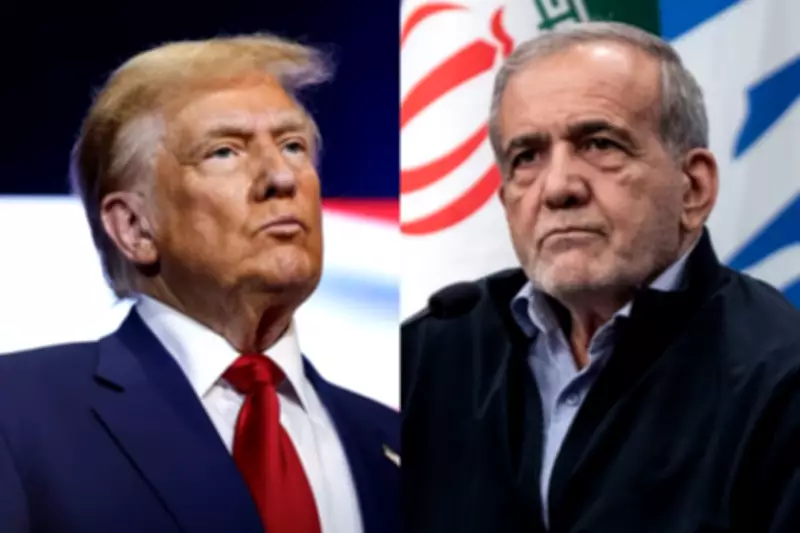
President Donald Trump countered by accusing Iran of violating the truce through harassment of vessels in the same region. He defended the blockade, insisting it would persist until a comprehensive deal is reached on Iran's nuclear program. Trump noted that Iran is expected to attend the talks but cautioned that if the ceasefire collapses, hostilities would resume immediately. He also suggested it is unlikely the truce will be extended beyond its current deadline.
Regional and Domestic Impacts Amid Heightened Tensions
Despite a semblance of calm returning to Tehran during the ceasefire, residents report that economic conditions remain dire and uncertainty is pervasive. The fragile situation is compounded by a separate ceasefire between Israel and Lebanon, which remains unstable, with both sides scheduled for further talks in Washington even as sporadic violence continues.
Tensions remain elevated across the Middle East, with global markets closely monitoring developments, particularly any potential disruptions to oil flows through the Strait of Hormuz. The international community watches anxiously as the deadline approaches, hoping for a diplomatic breakthrough to avert a broader conflict.