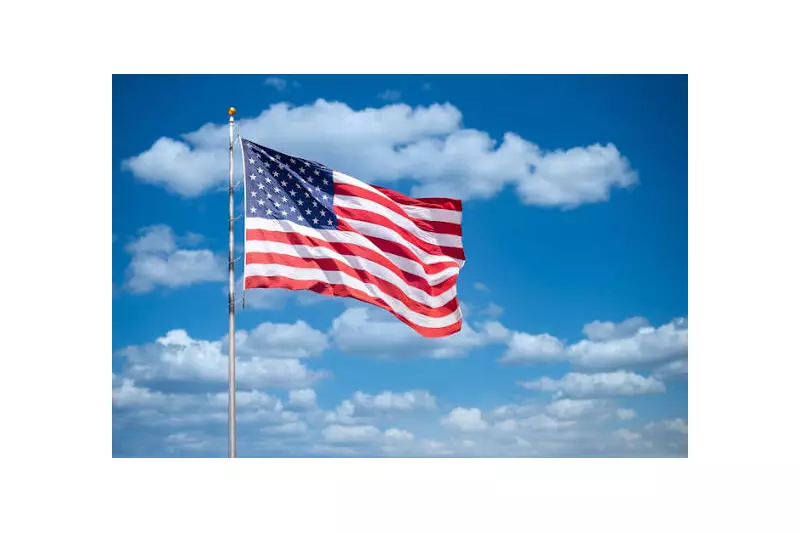
The United States government has implemented a significant and immediate pause on visa processing for citizens of Nigeria and at least 74 other countries worldwide. This major policy shift is part of a sweeping review of American immigration screening and vetting procedures.
Scope and Details of the Visa Processing Pause
According to an internal memo from the US Department of State first reported by Fox News, American embassies and consulates were directed to halt visa processing for the affected nations starting January 21, 2026. The directive instructs consular officers to refuse visa applications using existing provisions of US law while the comprehensive reassessment is ongoing.
The suspension applies to multiple visa categories, impacting thousands of Nigerians who apply annually for student (F-1), work (H-1B), tourist (B1/B2), and family-based visas. The list of affected countries spans Africa, the Middle East, Asia, Europe, and Latin America, and includes major nations such as:

- Nigeria
- Somalia
- Egypt
- Iran
- Russia
- Brazil
- Afghanistan
- Thailand
The State Department has not provided a specific timeline for when the review will be completed or when normal visa processing might resume.
Link to Stricter "Public Charge" Rule Enforcement
This widespread pause is directly linked to the enforcement of the "public charge" rule, a longstanding part of US immigration law. This rule allows authorities to deny visas to applicants who are deemed likely to become primarily dependent on government public benefits.
In November 2025, the State Department issued updated global guidance calling for a stricter application of this rule. The new guidance expanded the list of factors consular officers must assess when evaluating an applicant's potential to become a public charge. These factors now include:
- Age and health status
- English language proficiency
- Financial resources and assets
- Employment prospects and educational background
- The likelihood of requiring long-term institutionalized medical care
Applicants who are assessed as being at risk of relying on public assistance in the United States may now be denied visas under this stricter interpretation.
Specific Scrutiny and Consequences for Applicants
The memo did not single out Nigeria for specific reasons, but the country's inclusion places it among nations facing significantly tighter US immigration controls. However, Somalia was highlighted following a major fraud investigation in Minnesota, where US prosecutors uncovered widespread abuse of welfare programs. Federal authorities noted that many individuals implicated were Somali nationals or Somali-Americans.
This development is expected to create considerable uncertainty and disruption for prospective travelers, students, professionals, and families from Nigeria and the other affected countries. Plans for education, business, tourism, and family reunification are now on hold indefinitely.
It remains unclear whether the State Department will grant any humanitarian exemptions during this review period. The department has offered no further clarification on how existing visa applications will be handled or if there will be any recourse for affected individuals.