The United States government has officially concluded its inaugural sale of Venezuelan crude oil, raking in a substantial $500 million. This landmark transaction signals a decisive move by Washington to tap into the South American nation's vast petroleum resources following recent military intervention.
Trump's Ambitious $100 Billion Rebuild Plan Faces Skepticism
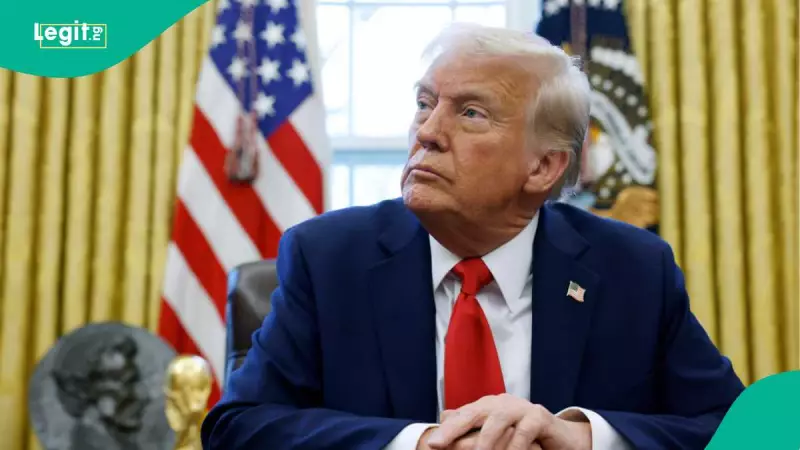
In the wake of the U.S. military operation in Venezuela earlier this month, which included air strikes on Caracas and the capture of President Nicolás Maduro, President Donald Trump outlined a grand vision. On January 4, 2026, he declared that the oil industry would invest a minimum of $100 billion to resuscitate Venezuela's crippled energy infrastructure. However, the origin and calculation of this colossal figure remain unclear, casting a shadow over its feasibility.
The administration's aggressive plans hit a significant roadblock during a White House meeting with energy executives on Friday. Top industry leaders expressed deep reservations about committing funds to Venezuela. ExxonMobil CEO Darren Woods was notably blunt, stating the country was currently "uninvestible." He emphasized that numerous legal and commercial frameworks would need establishment before any firm could even assess potential returns on investment.

White House Confirms Sales and Talks Amid Industry Reluctance
An administration official confirmed the completion of the $500 million oil sale and indicated that additional sales are anticipated in the coming days and weeks. This rapid action suggests a strategy to quickly integrate Venezuelan oil into global markets. Reports from Reuters noted that the crude was being offered at a discount compared to supplies from nations like Canada, further underscoring the urgency to offload the commodity.
Despite the lack of firm commitments from major companies after the White House talks, spokesperson Taylor Rogers issued a statement on January 14. Rogers claimed the administration was facilitating "positive, ongoing discussions" with oil companies supposedly ready to make "unprecedented investments" in Venezuela's oil sector.
Military Action Paves Way for Resource Access
The context for this economic push is a dramatic military escalation. Early on Saturday, January 3, 2026, the U.S. military executed a series of air strikes on Venezuela's capital. President Nicolás Maduro and his wife were apprehended and subsequently flown to New York City, where they face charges related to drug trafficking and weapons. President Trump has stated the U.S. will oversee the country until a secure political transition occurs, describing Venezuela's oil infrastructure as "badly broken." His stated goal is for American firms to invest billions to extract and refine the oil, creating a revenue stream for both Venezuela and international investors.
The completion of the first major oil sale marks a concrete step in this controversial strategy. However, the stark warning from energy executives like ExxonMobil's Woods highlights the formidable challenges ahead. The gap between Washington's ambitious investment promises and the private sector's risk assessment remains wide, setting the stage for a complex and uncertain chapter in U.S.-Venezuela relations.