US Government Intensifies Social Media Monitoring for Immigration Decisions
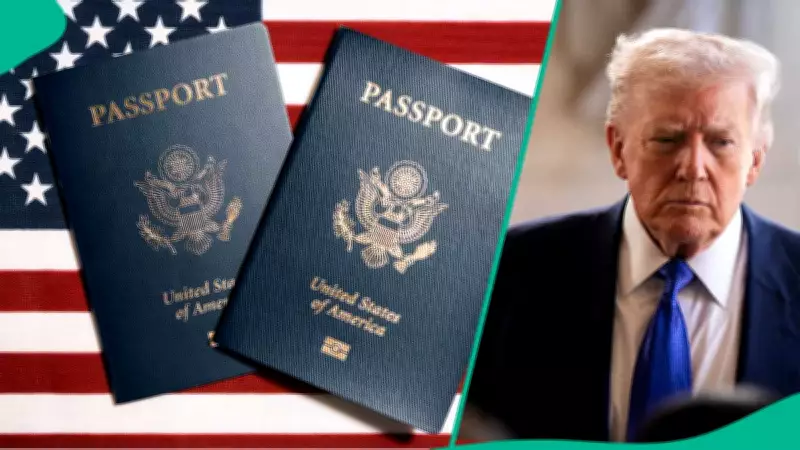
The United States government has issued a stern warning to foreign nationals residing within its borders, revealing that social media activity now plays a critical role in determining immigration outcomes. According to recent announcements, posts deemed problematic could result in severe consequences including visa cancellations, deportation proceedings, or denial of entry into the country.
Expanded Screening Programs Target Multiple Visa Categories
The Department of Homeland Security (DHS) and the Department of State have implemented new surveillance initiatives specifically designed to scrutinize online behavior. These programs focus on identifying content associated with antisemitic activities, terrorism support, or actions considered detrimental to American foreign policy interests. Officials have confirmed that these measures are actively being enforced across various immigration processes.
The US Citizenship and Immigration Services (USCIS) disclosed that DHS has commenced systematic screening of social media accounts belonging to foreign nationals during the review of immigration benefit applications. This scrutiny applies to requests for admission into the United States as well as applications for permanent resident status, commonly known as green cards.

Broad Range of Individuals Subject to Monitoring
The enhanced monitoring affects a wide spectrum of foreign nationals present in the United States under different immigration classifications. The categories include:
- F-1 international students and their F-2 dependents
- J-1 exchange visitors and J-2 dependents
- Nonimmigrant visa holders such as H-1B specialty occupation workers, TN professionals under NAFTA, and O-1 individuals with extraordinary abilities
- WB/WT travelers entering through the Visa Waiver Program (ESTA)
- Those granted Temporary Protected Status (TPS) or Deferred Action for Childhood Arrivals (DACA)
- Applicants seeking affirmative immigration relief
- Lawful permanent residents who already hold green cards
Specific Activities Triggering Enforcement Actions
Authorities have clarified that DHS monitoring specifically targets activities classified as antisemitic, which encompass harassment directed at Jewish individuals, endorsement of antisemitic terrorism, promotion of violent ideologies, and support for organizations like Hamas, Palestinian Islamic Jihad, Hezbollah, and Ansar Allah (commonly referred to as the Houthis). Media reports indicate that enforcement measures have already resulted in refusal of admission at ports of entry, detention of individuals, and initiation of deportation proceedings.
State Department's "Catch and Revoke" Program
In a parallel development, the US Department of State operates a distinct surveillance initiative named "Catch and Revoke." This program employs artificial intelligence-assisted reviews to analyze tens of thousands of social media accounts belonging to visa holders. The objective is to identify political activities or behaviors perceived as harmful to American foreign policy objectives.
Visa revocations under this program are executed using the Department's prudential revocation authority, based on suspected ineligibility that may include derogatory information provided by other government agencies. The scope of revocation extends beyond antisemitic content to include arrests or convictions for offenses such as driving under the influence (DUI).
Foreign nationals have reported receiving official emails notifying them of visa cancellation and encouraging voluntary departure from the United States. These communications warn that remaining in the country could lead to arrest and subsequent deportation. Officials note that while visa revocation does not automatically invalidate lawful status, it can sometimes serve as grounds for initiating removal proceedings.

Legal Recommendations for Foreign Nationals
Immigration legal experts strongly advise foreign nationals to exercise extreme caution regarding their social media presence. This includes careful consideration of original posts, shared content, reposts, and even simple "likes," as government officials might misinterpret these digital interactions. Experts also recommend reviewing all content stored on electronic devices and seeking professional legal counsel if individuals have experienced arrests or convictions, even if those incidents resulted in pardons or deferred judgments.
The USC Gould Immigration Clinic's Immigrant Legal Assistance Center (ILAC) offers free, confidential consultations and legal support to members of the university community, including students, staff, faculty, contract employees, and their immediate family members who might face deportation risks or have questions about their legal standing.
Recent Enforcement Actions Highlight Growing Risks
The deportation risk for foreign nationals has escalated as DHS intensifies enforcement of immigration laws through refusal of admission, detention, and removal proceedings. In a related development, the Department of Homeland Security recently announced the addition of 18 Nigerian nationals to its deportation list, bringing the total number of individuals scheduled for removal to 97.
This update was detailed in an official statement published on the DHS website on February 10, 2026. According to the department, these arrests form part of a coordinated nationwide crackdown led by Immigration and Customs Enforcement (ICE) officials targeting immigrants convicted of serious criminal offenses across multiple US states.
The implementation of these rigorous social media screening measures represents a significant shift in US immigration enforcement strategy, placing digital behavior under unprecedented scrutiny with potentially life-altering consequences for foreign nationals residing in or seeking to enter the United States.