US Announces Stricter Sanctions on Iran's Oil Sector as Strait of Hormuz Tensions Escalate
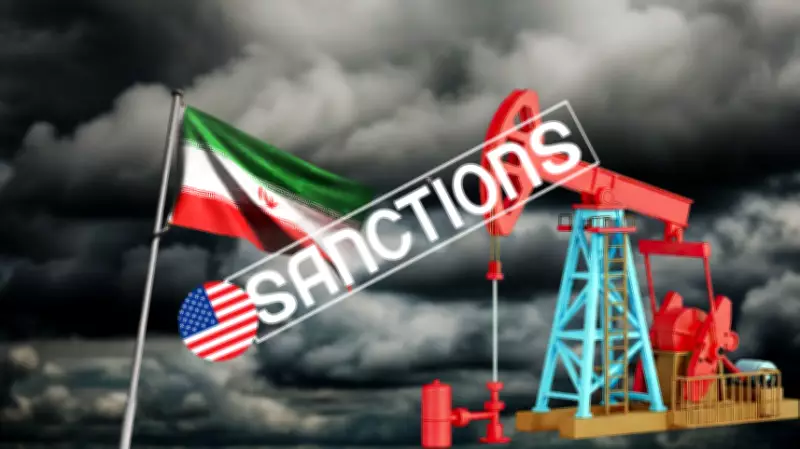
The United States has unveiled tighter sanctions targeting Iran's oil sector, a significant escalation in response to Tehran's continued closure of the Strait of Hormuz. The measures, announced by the United States Department of the Treasury, specifically aim at more than two dozen individuals, companies, and vessels associated with a shipping network linked to Mohammad Hossein Shamkhani.
Financial Pressure Campaign Intensifies
US Treasury Secretary Scott Bessent emphasized that this action is part of an intensified financial pressure campaign against Iran. "Treasury is moving aggressively with 'Economic Fury' by targeting regime elites like the Shamkhani family that attempt to profit at the expense of the Iranian people," he stated. The sanctions are designed to disrupt the operations of this network, which the US alleges operates across Iran and the United Arab Emirates, using front companies to bypass existing sanctions and facilitate oil shipments.
State Department's Stance on Global Energy Flows
The US State Department reinforced the move, explaining that the sanctions are intended to limit Iran's ability to generate revenue while it continues to disrupt global energy flows. "The United States is acting to decisively limit Iran's ability to generate revenue as it attempts to hold the Strait of Hormuz hostage," the department said. Iran has effectively shut down this key waterway, a major global route for oil and gas shipments, in response to ongoing conflicts involving the US and Israel. In retaliation, Washington has imposed a naval blockade on Iranian ports.

Additional Sanctions on Financiers and Companies
In a further step, the Treasury Department also sanctioned Seyed Naiemaei Badroddin Moosavi, described as a financier for Hezbollah. Along with Moosavi, three companies tied to an alleged money laundering scheme involving Iranian oil and Venezuelan gold were targeted. This highlights the broader scope of the sanctions, which extend beyond the oil sector to include financial networks supporting militant groups.
Geopolitical Context and Global Concerns
The latest sanctions come amid rising geopolitical tensions and growing concerns over global energy supply disruptions linked to the conflict in the Middle East. The closure of the Strait of Hormuz has significant implications for international trade and energy security, prompting the US to take decisive action. These measures underscore the ongoing strategic confrontations in the region and the US's commitment to using economic tools to address security threats.
As the situation develops, the international community watches closely, with potential impacts on oil prices and diplomatic relations. The sanctions represent a critical juncture in US-Iran relations, reflecting a hardened stance against Tehran's actions in the Persian Gulf.