US Announces Total Maritime Blockade of Iranian Ports After Failed Negotiations
The United States military has declared it will implement a comprehensive maritime blockade targeting all Iranian ports and coastal regions, effective Monday at 10 a.m. Eastern Time (1400 GMT). This decisive action comes in the wake of collapsed high-level diplomatic talks held in Islamabad over the weekend, which failed to produce a lasting agreement to end the ongoing six-week war.
Breakdown of Islamabad Negotiations
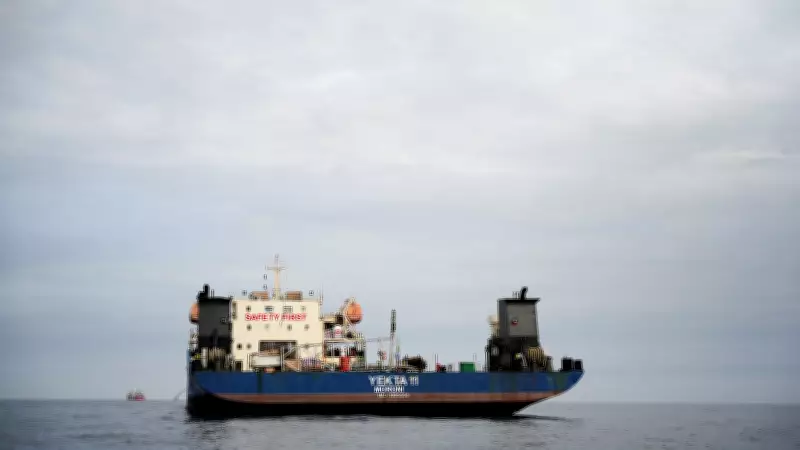
These negotiations marked the first direct diplomatic engagement between the United States and Iran in more than a decade. However, the inability to reach a balanced and sustainable accord has swiftly reignited hostilities, placing a fragile two-week ceasefire in immediate jeopardy. U.S. Central Command has confirmed that the blockade will be enforced impartially against all vessels, irrespective of nationality, entering or departing Iranian ports in the Arabian Gulf and the Gulf of Oman.
Scope and Enforcement of the Blockade
While the blockade specifically targets Iranian maritime traffic, U.S. military officials have clarified that vessels transiting the Strait of Hormuz to and from non-Iranian ports will not face impediments. As part of the strategic enforcement measures, U.S. President Donald Trump stated that American forces will intercept any vessel in international waters that has made toll payments to Iran, characterizing such financial transactions as illegal under international law.

Simultaneously, the U.S. Navy is preparing to neutralize Iranian mines within the Strait of Hormuz to ensure safe passage for neutral commercial shipping. This dual approach aims to cripple Iranian economic channels while safeguarding global trade routes.
Immediate Global Economic Impact
The announcement triggered a massive shock across global energy markets, with benchmark crude oil prices surging over 7% to surpass the critical threshold of $100 per barrel. Concurrently, U.S. stock futures declined, and the dollar experienced a significant jump during Monday morning trading sessions in Asia. These market reactions underscore the profound economic ramifications of heightened geopolitical tensions in a key energy-producing region.
Iranian Response and Future Prospects
Tehran has issued a stern warning of harsh retaliation, accusing the United States of employing "maximalism" during the unsuccessful Islamabad negotiations. Despite the escalating tensions, President Trump suggested that Iran might eventually return to the bargaining table, though he cautioned that elevated energy prices could persist through the U.S. midterm elections, potentially influencing domestic political dynamics.
Analytical Concerns and International Alert
Security and economic analysts have raised significant concerns regarding the long-term feasibility of this strategy. They note that sustaining such a massive, independent maritime mission may prove difficult to maintain over several months, straining military resources and international alliances. As commercial tankers begin to avoid the strategic waterway, the international community remains on high alert for a potential expansion of the regional conflict, which could further destabilize global security and economic frameworks.