US Government Issues Stark Warning on Iranian Threat Ahead of Nuclear Negotiations
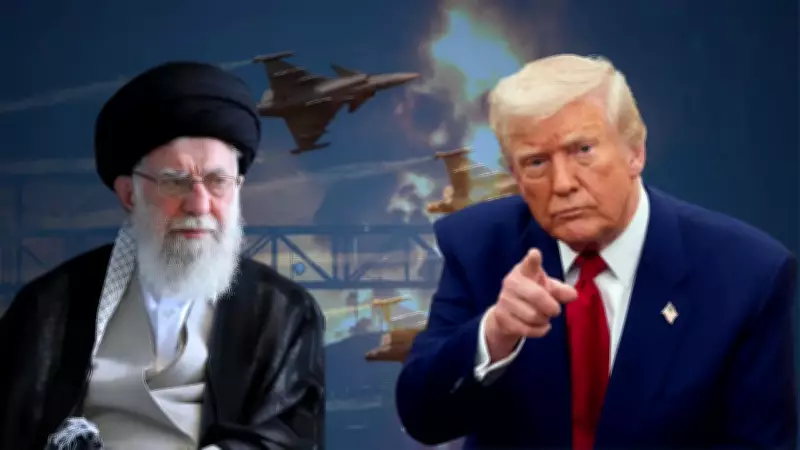
Senior officials within the administration of President Donald Trump have delivered a grave warning, asserting that Iran represents a significant and immediate threat to the United States. This alert comes just hours before the commencement of a fresh round of high-stakes negotiations concerning Tehran's controversial nuclear program.
High-Stakes Geneva Talks Amid Military Buildup
American and Iranian negotiators are currently convening in Geneva, Switzerland, for what marks the third round of nuclear discussions this year. These critical diplomatic engagements are unfolding against a backdrop of heightened military activity. Washington has orchestrated one of its largest recent military build-ups in the Middle East, a move that has substantially increased regional tensions and cast a long shadow over the potential for any future action against the Islamic Republic.
In his recent State of the Union address, President Trump leveled serious accusations against Iran. He claimed the nation has restarted its nuclear weapons program and is actively developing missiles with the capability to "soon" reach American soil. Furthermore, the President alleged Tehran's direct responsibility for roadside bombings that resulted in the deaths of American service members and civilians.

President Trump issued a stern ultimatum, cautioning that it would be a "very bad day" for Iran if a satisfactory agreement is not reached to resolve the protracted dispute over its nuclear activities. This warning echoes previous threats from Iranian officials, who have vowed to target US military bases across the region in the event of an attack.
Senior Officials Reinforce Hardline Stance
US Secretary of State Marco Rubio, speaking during an official visit to St. Kitts and Nevis, forcefully reiterated the administration's position. "After their nuclear program was obliterated, they were told not to try to restart it, and here they are," Rubio stated. "You can see them always trying to rebuild elements of it. They're not enriching right now, but they're trying to get to the point where they ultimately can."
This statement references President Trump's decision last year to order strikes on Iranian nuclear facilities, an action the administration insisted had "obliterated" the country's nuclear infrastructure. Despite these claims, recent assessments from administration officials suggest Iran remains perilously close to acquiring the capability necessary to produce nuclear weapons.
Concerns Over Ballistic Missile Arsenal
Secretary Rubio expanded the scope of the warning beyond nuclear concerns. He highlighted that Iran maintains a substantial and concerning stockpile of ballistic missiles, which directly threaten US interests throughout the region. More alarmingly, he indicated that Tehran is working on advanced weapons systems capable of reaching the continental United States.
"Beyond just the nuclear program, they possess these conventional weapons that are solely designed to attack America and attack Americans if they so choose to do so," Rubio emphasized. "They already possess weapons that can reach much of Europe already now, as we speak."
Adding to the unified front, US Vice President JD Vance also stressed the non-negotiable American position. He underscored that Iran must never, under any circumstances, be permitted to obtain a nuclear weapon. This firm declaration solidifies Washington's hardline stance as diplomats enter the delicate negotiations in Geneva.
The convergence of these stark warnings from the highest levels of the US government, the ongoing military posture, and the critical nuclear talks creates a tense and volatile international moment, with significant implications for global security and diplomatic relations in the Middle East.