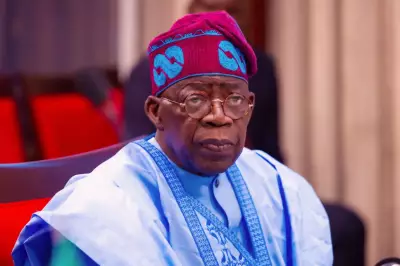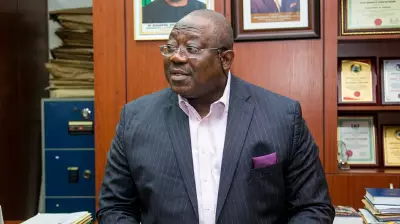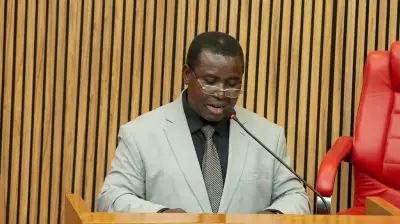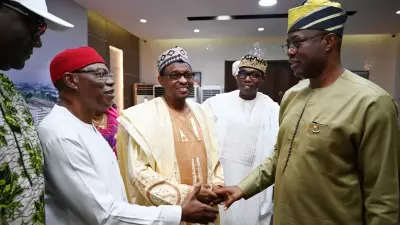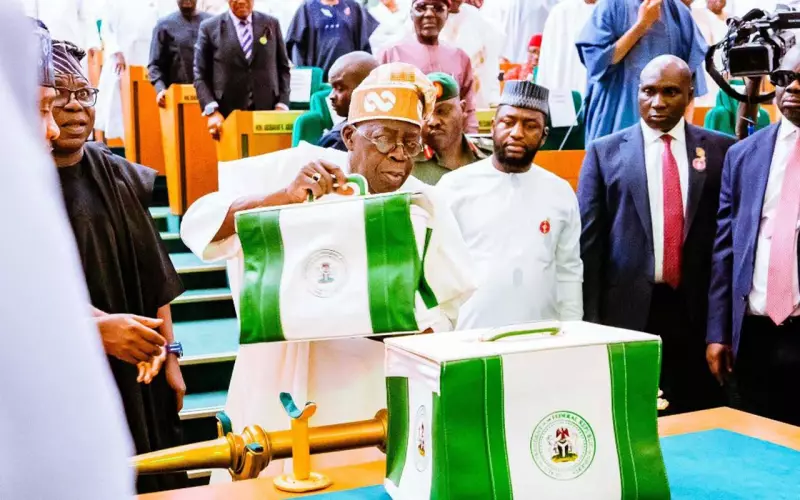
In a remarkable display of political harmony, the Nigerian Senate has given accelerated passage to President Bola Ahmed Tinubu's 2026 Appropriation Bill, completing its second reading in a mere three legislative days without a single voice of dissent.
Unprecedented Speed and Unanimity in the Chamber
The process, which began when the President presented the bill to a joint sitting of the National Assembly on Friday, December 19, 2025, saw the Senate clear the crucial second reading stage by Tuesday, December 23. The chamber's atmosphere was notably cooperative and celebratory, with senators from across party lines appearing eager to align with the executive's proposal. There were no procedural delays, visible resistance, or contentious debates, suggesting a consensus was reached well before the formal plenary discussions.
Contributions from lawmakers were overwhelmingly affirmative, focusing on praising the budget's size, ambition, and structure. The desire to conclude legislative business ahead of the Christmas recess, coupled with the prevailing political alignment, seemed to prioritize swift endorsement over extended fiscal scrutiny at the plenary level.

Breaking Down the N58.5 Trillion "Budget of Consolidation"
Leading the debate, Senate Leader Opeyemi Bamidele (Ekiti Central) outlined the details of the bill, which seeks authorization to spend from the Consolidated Revenue Fund for the year ending December 31, 2026. He framed it as a "budget of consolidation" aimed at stabilizing the economy and deepening ongoing reforms.
The total proposed expenditure stands at a massive N58.5 trillion, broken down into key components:
- N4.097 trillion for Statutory Transfers
- N15.909 trillion for Debt Servicing
- N15.252 trillion for Recurrent (Non-Debt) Expenditure
- N23.214 trillion for Capital Expenditure
Bamidele emphasized that the historic capital allocation is a deliberate policy to drive growth, productivity, and infrastructure development in sectors like transport, power, agriculture, and the digital economy. He projected revenues for 2026 at N34.33 trillion, leaving a deficit of about 4.28% of GDP, which he stated remains within approved fiscal limits.
Senators' Praise and Cautious Notes
Support for the budget was broad. Senator Adamu Aliero called it a budget of "consolidation and resilience," praising the unprecedented capital spending. Senator Mohammed Sani Musa (Niger East) stressed the importance of the N15.9 trillion debt servicing allocation to maintain economic stability and international confidence.
However, some senators injected notes of caution. Senator Adams Oshiomhole linked infrastructure spending to job creation but insisted on rigorous oversight to ensure investments translate into real employment. He also called for transparency in security spending. Former Senate President Ahmed Lawan (Yobe North) described the budget as "historic, bold and courageous" but warned that political activities ahead of the 2026 elections must not disrupt implementation. He also noted that funding for the new Ministry of Livestock Development appeared insufficient to unlock the sector's potential.
Oversight Deferred, Implementation is Key
In practice, the Senate deferred detailed scrutiny to the committee stage, with lawmakers assuring that rigorous examination would occur during budget defence sessions. The motion for second reading was passed by a unanimous voice vote, underscoring the lack of division.
With this, the Senate adjourned until January 27, 2026, handing over the task of meticulous review to its committees. This rapid passage highlights a legislature valuing speed and executive-legislative harmony. While supporters see institutional maturity, critics may question if such swift consensus compromises transparency. The ultimate test for the 2026 budget will now lie not in the speed of its passage, but in the rigor of its implementation and the National Assembly's oversight in the coming months.