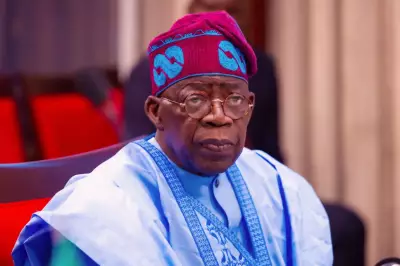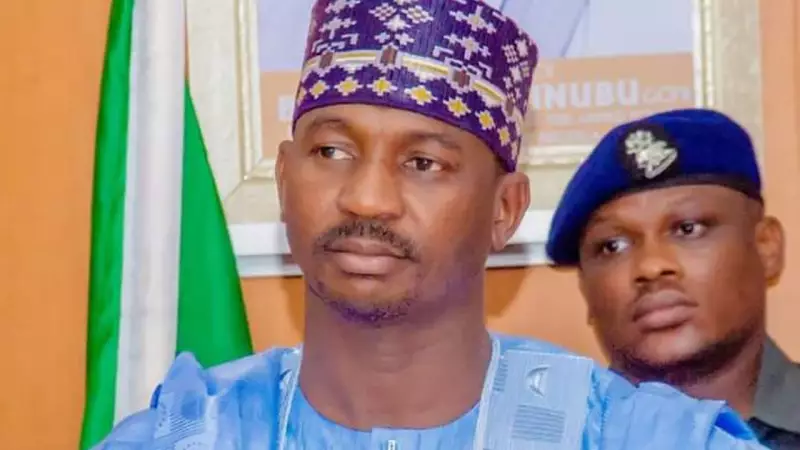
Governor Ahmed Aliyu of Sokoto State has presented a bold and ambitious financial blueprint for the year 2026, with a proposed budget of approximately ₦758.7 billion. This document, far more than a mere accounting of revenues and expenditures, serves as a definitive statement of his administration's governance priorities and development roadmap. It follows the patterns set in the 2024 and 2025 budgets, which were crafted under his leadership, and moves away from the 2023 budget inherited from his predecessor, Aminu Tambuwal.
Decoding the Numbers: Capital vs. Recurrent Spending
The most striking feature of the 2026 fiscal plan is its pronounced tilt towards development. A substantial 72% of the total outlay is dedicated to capital expenditure, with only 28% reserved for recurrent spending. This structure signals a clear, development-oriented agenda focused on tackling the state's significant infrastructure deficits in roads, schools, hospitals, and water supply.
This approach is not new for the Aliyu administration. The performance of the 2024 and 2025 budgets demonstrates that such capital-heavy plans are achievable in Sokoto. The real challenge, as identified, is not project abandonment—a common pitfall in Nigeria's public finance history—but rather boosting budget performance from about 65% to a more ambitious 75%. Furthermore, the lean recurrent budget is strategically designed to ensure the sustainable operation and maintenance of newly built assets.

Revenue Realism and Strategic Allocations
A critical analysis must also scrutinize the revenue assumptions. While federal allocations remain significant, Sokoto State has recorded a substantial increase in its Internally Generated Revenue (IGR) in recent years. This improvement, driven by better fiscal discipline, provides a more stable foundation and reduces vulnerability to external shocks like changes in federal oil revenue.
Notably, the state has financed its projects without resorting to commercial bank borrowing, showcasing commendable fiscal restraint. However, the analysis suggests that strategic, well-structured borrowing for high-impact sectors like agriculture and energy could be considered to accelerate growth, provided it delivers long-term returns.
Priority Sectors: From Security to Human Capital
The budget allocations speak directly to the state's most pressing needs. Security receives significant funding, a necessary response to the persistent banditry and insecurity in parts of eastern Sokoto, without which other development efforts cannot thrive.
Similarly, health and education are major beneficiaries, with health alone claiming about 16% of the total budget. These investments in primary healthcare, maternal services, teacher development, and school infrastructure are foundational to improving human capital, life expectancy, and future productivity. Agriculture, the backbone of Sokoto's economy, also features prominently, with planned investments in irrigation and value chains aimed at boosting food security and rural incomes.
The budget process itself has incorporated citizen engagement through town-hall meetings, a practice that has already yielded tangible results like the N200,000 monthly imprest for schools. This fosters alignment with community needs and strengthens public accountability.
Ultimately, the success of Governor Ahmed Aliyu's ₦758.7 billion 2026 budget will be judged not by its size but by its tangible impact in Sokoto's communities. It represents an ambitious attempt to translate the promises of his 9-Point SMART Agenda into measurable results. The administration's established implementation capacity, including a procurement agency and political will, will be crucial in turning these allocations into lasting improvements in the lives of the people.