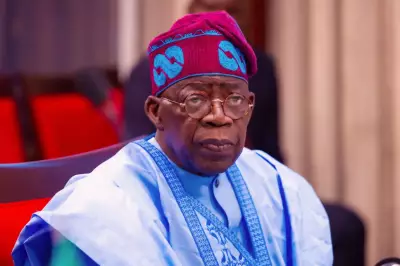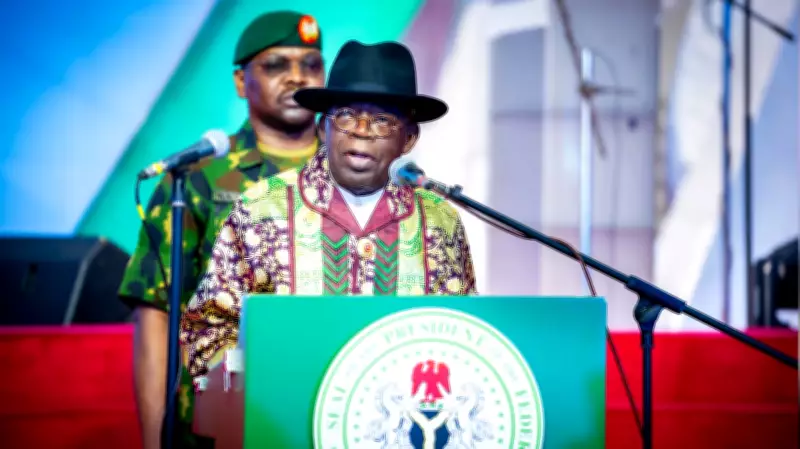
President Bola Tinubu has officially signed the 2026 Appropriation Bill into law, authorizing a total expenditure of N68.32 trillion for the fiscal year. In a significant move, he also extended the implementation period for the 2025 capital budget to June 30, 2026, shifting the previous deadline from March 31, 2026. This extension provides Ministries, Departments, and Agencies (MDAs) with additional time to finalize ongoing capital projects nationwide, aiming to enhance project completion and optimize public spending.
Detailed Breakdown of the 2026 Budget
The 2026 budget allocates N4.799 trillion to statutory transfers, N15.8 trillion for debt servicing, and N15.4 trillion for recurrent (non-debt) expenditure. Capital expenditure is set at N32.2 trillion, representing approximately half of the total budget. This allocation underscores the administration's strategic focus on infrastructure development, economic stability, and inclusive growth, while also addressing statutory obligations and debt repayment commitments.
Rationale Behind the Capital Budget Extension
According to the Presidency, the extension of the 2025 capital budget is designed to ensure the full utilization of funds, particularly for projects that are at advanced stages of execution. Bayo Onanuga, Special Adviser to the President on Information and Strategy, emphasized that the additional three-month window will enable MDAs to consolidate ongoing projects, improve completion rates, and enhance value for public spending. This measure is expected to boost efficiency and accountability in government expenditures.

Implementation and Policy Priorities
With the 2026 Appropriation Act now in effect starting April 1, full implementation is anticipated to align with the administration's policy priorities. President Tinubu has directed MDAs to ensure disciplined, transparent, and efficient use of resources, with a strong emphasis on value for money and timely project delivery. He commended the National Assembly for its cooperation and diligence in the timely passage of the budget, highlighting that robust executive-legislative collaboration is crucial for national development.
Commitment to Fiscal Reforms and Economic Growth
President Tinubu reaffirmed his administration's dedication to fiscal reforms, improved revenue generation, and increased investment in economic expansion, job creation, and social protection. This commitment aims to foster sustainable development and address key economic challenges, reinforcing the government's proactive approach to governance and public welfare.