President Tinubu Signs ₦68.32 Trillion 2026 Budget, Extends 2025 Implementation to June
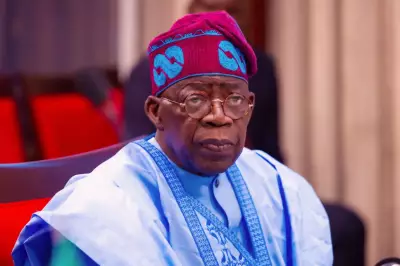
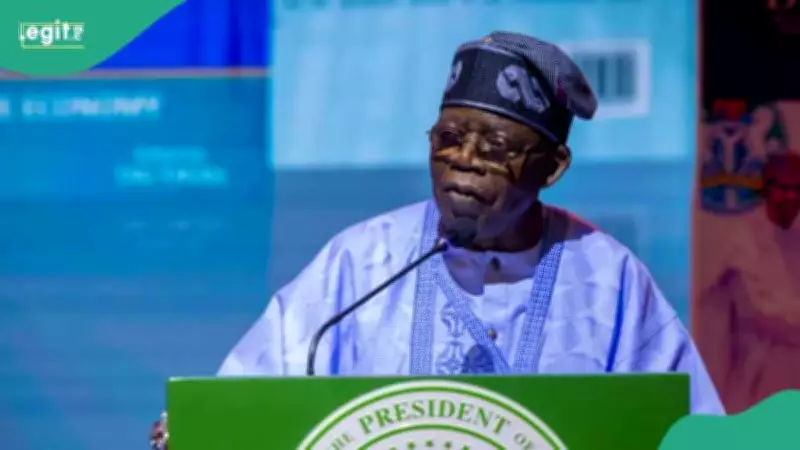
President Bola Ahmed Tinubu has officially signed the 2026 Appropriation Bill into law, setting the total government spending for the fiscal year at a historic ₦68.32 trillion. In a significant parallel move, the President has approved an extension of the 2025 budget implementation timeline, shifting its deadline from March 31 to June 30, 2026.
Record-Breaking 2026 Budget Framework Unveiled
The newly enacted 2026 budget outlines a comprehensive spending framework designed to address critical national priorities. Key allocations within the ₦68.32 trillion budget include:
- ₦4.799 trillion allocated for statutory transfers to various government entities.
- ₦15.8 trillion earmarked for debt servicing obligations to manage the national debt profile.
- ₦32.2 trillion designated for capital expenditure under the Development Fund, representing nearly half of the total budget.
- ₦15.4 trillion projected for recurrent expenditure to cover operational costs of government.
This substantial allocation to capital projects underscores the administration's continued emphasis on infrastructure development, economic stabilization, and enhancing national security frameworks. The budget signals a strategic push towards long-term economic growth through targeted public investments.

Strategic Extension of 2025 Budget Implementation
Concurrently, President Tinubu has authorized a crucial amendment to the 2025 Appropriation Act, extending its implementation period by three months. This extension to June 30, 2026, is strategically aimed at ensuring the completion of ongoing projects that are already at advanced stages.
Government officials have clarified that this decision is intended to facilitate the full and effective utilization of funds appropriated in the 2025 budget, particularly for critical infrastructure and development initiatives. The move is expected to improve overall project execution rates and prevent the abandonment of vital national projects due to time constraints.
Federal Government Emphasizes Transparency and Fiscal Discipline
With the 2026 budget scheduled to take effect from April 1, the Federal Government is poised to commence full implementation in alignment with its broader policy agenda. President Tinubu has issued a direct directive to all Ministries, Departments, and Agencies (MDAs) to exercise strict discipline in expenditure and prioritize transparency in the management of public resources.
The President stressed the imperative for "disciplined, transparent, and efficient utilisation of allocated resources," with a clear focus on delivering value for money and ensuring the timely execution of projects. This emphasis on accountability is part of a broader commitment to strengthening Nigeria's fiscal governance and public financial management systems.
Presidential Commendation and Commitment to Reforms
President Tinubu also took the opportunity to commend the National Assembly for its cooperation and commitment in facilitating the swift passage of the 2026 budget. He highlighted the importance of sustained collaboration between the executive and legislative arms of government in driving national development objectives.
Furthermore, the President reassured Nigerians that his administration remains dedicated to advancing fiscal reforms, enhancing revenue generation mechanisms, and prioritizing investments capable of stimulating robust economic growth, creating sustainable employment opportunities, and improving social protection systems across the nation.
The budget's passage follows earlier legislative processes, including reports that the Senate approved the budget after incorporating additional requests, ultimately arriving at the finalized ₦68.32 trillion figure. This development marks a critical step in Nigeria's annual budgetary cycle, setting the financial course for the coming fiscal year.