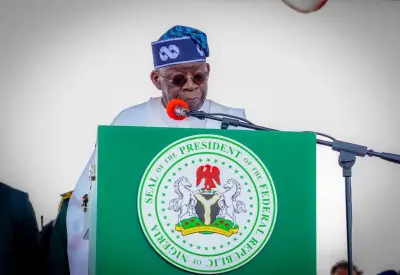
The Federal Government has unveiled Nigeria's first National Industrial Relations Policy, a comprehensive framework aimed at resolving workplace disputes and fostering industrial harmony. Stakeholders described the policy as a major institutional response to worsening labour conflicts and a weak collective bargaining culture.
Policy Launch in Abuja
At the formal unveiling in Abuja, the government stated that the policy would serve as a national framework for managing industrial relations, strengthening labour institutions, and reducing disruptive strikes that have repeatedly paralysed critical sectors of the economy.
Minister's Remarks
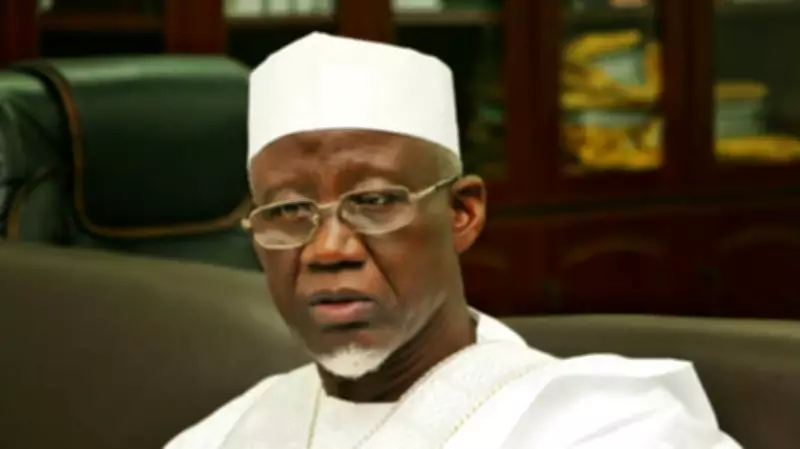
Minister of Labour and Employment, Mohammed Maigari Dingyadi, said Nigeria could no longer afford a fragmented industrial relations system amid economic uncertainty, insecurity, rapid technological change, and rising unemployment. He described the policy as a decisive intervention, noting that industrial disputes often escalated because the country lacked a unifying framework to guide employers, workers, and government institutions.

“For decades, Nigeria’s industrial relations space has been guided by statutes, conventions and practice, but without a unifying policy framework,” Dingyadi explained.
Three Core Pillars
The Minister identified social dialogue, protection of workers' rights, and productivity-driven industrial peace as the three core pillars of the new policy. He hinted that the government would strengthen institutions such as the National Labour Advisory Council and the Industrial Arbitration Panel to ensure faster dispute resolution. Additionally, nationwide training programmes for union leaders, human resource managers, and labour officers on mediation and interest-based bargaining will be rolled out.
Early-Warning System
Dingyadi also disclosed plans to establish a National Industrial Relations Observatory, designed as an early-warning system to detect workplace grievances before they escalate into industrial action.
Extension to Informal Economy
In a significant shift, the new policy seeks to extend labour protection and dispute resolution mechanisms to workers in the informal economy, including artisans, market associations, and platform workers who make up more than 80 per cent of Nigeria’s workforce.
Dingyadi linked the initiative to President Bola Tinubu’s Renewed Hope Agenda, insisting that job creation and poverty reduction could not succeed in an atmosphere of distrust, recurring strikes, and poor labour relations. “You cannot create jobs in an atmosphere of distrust. You cannot reduce poverty where wages are lost to avoidable strikes,” he said.
International Support
Vanessa Phala, Director of the International Labour Organisation Country Office for Nigeria, Ghana, Liberia and Sierra Leone, described the policy as both symbolic and transformative. She said Nigeria had taken a courageous and forward-looking step at a time when industrial relations systems globally are under severe strain.
Phala commended the Federal Government, organised labour, and employers for sustaining six years of consultations that produced a nationally owned policy rather than an externally imposed reform framework. According to her, the policy responds to traditional labour concerns like collective bargaining and dispute resolution, as well as emerging pressures from technological change, ecological transition, demographic shifts, and the future of work.
“What fundamentally distinguishes this National Industrial Relations Policy is the inclusive, participatory and nationally owned dynamic that shaped its development,” she said. However, Phala warned that the real test would be implementation, pledging continued technical support from the ILO to ensure the policy translates into measurable gains for workers, employers, and the economy.
Labour Unions' Response
The Nigeria Labour Congress welcomed the initiative, describing it as a potential turning point in the country’s troubled industrial relations environment. NLC President Joe Ajaero said the policy could help address persistent violations of collective bargaining agreements and restore respect for workers’ rights and workplace standards.

The NLC said the success of the framework would depend heavily on the willingness of all parties to uphold the principles of fairness, dialogue, and mutual respect that shaped the process. Labour leaders stressed the importance of stronger workplace monitoring, labour inspections, and compliance mechanisms, warning that policies without enforcement often fail to produce meaningful change.
Context and Expectations
The launch comes amid rising labour tensions across sectors strained by inflation, stagnant wages, unemployment, and economic reforms that have triggered repeated disputes. Stakeholders believe the new framework could improve investor confidence and productivity if properly implemented, particularly in sectors frequently disrupted by industrial action such as education, health, and public services.