Hong Kong Court Imposes 20-Year Prison Term on Media Tycoon Jimmy Lai in Historic Security Case
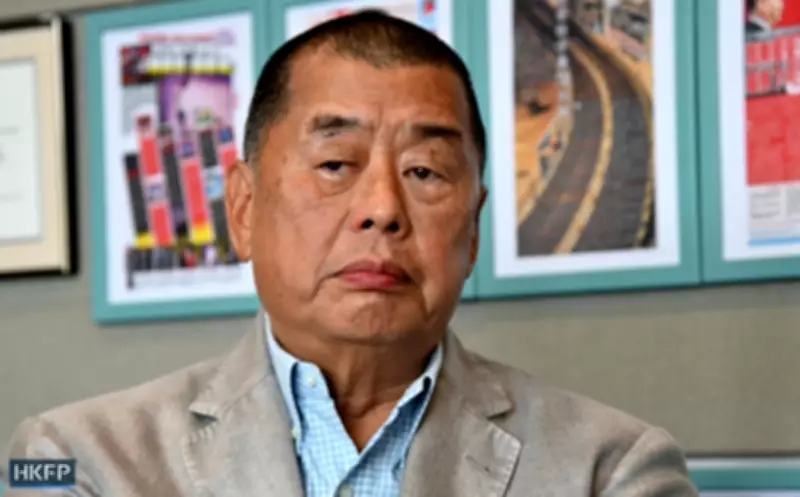
In a landmark ruling that has drawn international attention, Hong Kong's judiciary has sentenced prominent media mogul Jimmy Lai to twenty years imprisonment. This decision concludes a protracted legal battle that has become emblematic of Beijing's comprehensive security measures implemented in the formerly politically dynamic city.
Longest Sentence Under National Security Legislation
The 78-year-old billionaire, recognized as one of China's most vocal critics, represents one of the highest-profile individuals prosecuted since Beijing enacted its national security law for Hong Kong in 2020. This sentence stands as the most severe penalty delivered under this legislation, effectively eliminating any possibility of parole until Lai approaches his late nineties.
The verdict has amplified global demands for his release following a trial that captured significant interest from Western political leaders. Former US President Donald Trump had previously pledged to secure Lai's freedom, with supporters anticipated to intensify advocacy efforts as Trump considers potential diplomatic engagements with China in upcoming months.

Family Condemns "Draconian" Punishment
Lai's family members expressed profound distress over the sentencing. His son Sebastien characterized the punishment as draconian and potentially life-threatening, while daughter Claire described it as heartbreakingly cruel.
"I have witnessed my father's health decline significantly and his detention conditions deteriorate progressively. Should this sentence be enforced, he will perish as a martyr within prison walls," Claire stated emotionally.
Background of Political Confrontation
Lai's consistent criticism regarding Hong Kong's diminishing liberties, combined with his founding role of the now-defunct pro-democracy publication Apple Daily, established prolonged conflict with Beijing authorities. Both Chinese and Hong Kong officials have consistently refuted allegations that his prosecution carried political motivations or represented suppression of press freedom, maintaining he has received appropriate medical attention during custody.
Hong Kong Chief Executive John Lee accused Lai of utilizing Apple Daily to "poison public consciousness, incite hostility, distort realities, deliberately foster social division, glorify violence, and openly solicit foreign sanctions against China and the Hong Kong Special Administrative Region."
Legal Proceedings and Co-defendants
The media magnate was convicted in December on two national security violations and one sedition charge following extended courtroom proceedings. Appearing noticeably thinner during sentencing, Lai offered a faint smile as the judgment was announced, acknowledging supporters in the courtroom before turning to former Apple Daily associates awaiting their own verdicts.
These colleagues received prison terms ranging from six years and nine months to ten years, while Apple Daily and affiliated corporate entities were fined six million Hong Kong dollars.
Hong Kong's Post-Security Law Transformation
Since the national security law's implementation, Hong Kong has experienced substantial transformation characterized by:
- Numerous dissidents receiving prison sentences
- Civil society organizations and vocal media outlets compelled to cease operations
- The city's previously vibrant political culture effectively muted
Authorities contend the legislation has "restored stability" following extensive anti-government demonstrations in 2019, some of which escalated into violence.
Public Response and Judicial Rationale
Supporters queued for multiple days outside West Kowloon courthouse hoping to glimpse Lai, as police enhanced security measures and conducted searches on those awaiting entry. "He symbolizes Hong Kong's spirit," remarked 75-year-old Chan Chun-yee stationed outside the court. "While I don't endorse all his actions, I resonate with his pursuit of freedom, democracy, and justice."

In their December determination, specially appointed national security judges asserted "no doubt" regarding Lai's resentment toward China, labeling him a "conspiracy mastermind." They referenced his lobbying of American politicians, including meetings with senior White House officials during Trump's initial presidential term, as evidence of sedition and collaboration with external forces.
The court additionally determined Apple Daily repeatedly advocated international sanctions against China and Hong Kong. Prosecutors documented up to 161 seditious articles published by the newspaper, positioning Lai's activities within what judges classified as the "most severe category" of seditious conduct.
Appeal Prospects and Legal Context
Lai maintains entitlement to challenge both conviction and sentence through appellate processes, though such cases typically require years and seldom achieve success. To date, only one individual charged under Hong Kong's national security legislation has received complete acquittal.
This case continues to generate significant discourse regarding press freedom, national security imperatives, and Hong Kong's evolving legal landscape under Beijing's strengthened governance framework.