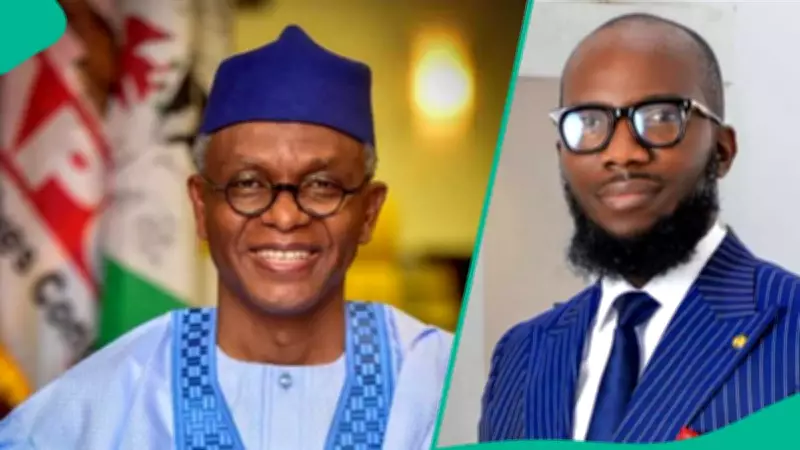
Prominent Lawyer Points Out Three Critical Legal Issues in El-Rufai Case
Renowned human rights attorney Inibehe Effiong has raised significant concerns about the legal foundation of the Federal Government's recently filed charges against former Kaduna State governor Nasir El-Rufai. The charges relate to allegations concerning the unlawful interception of phone communications belonging to National Security Adviser Mallam Nuhu Ribadu.
Three Potential Legal Weaknesses Identified
In a detailed analysis shared on his social media platform, Effiong outlined three specific areas where he believes the prosecution's case may be vulnerable to legal challenge. The lawyer emphasized that these issues, if not properly addressed, could substantially weaken the government's position in court.
First, Effiong questioned the legal existence of the Department of State Services (DSS) as referenced in the charges. He argued that the National Security Agencies Act establishes the State Security Service (SSS), not the DSS, creating potential jurisdictional problems for the prosecution.

Second, the lawyer challenged whether the SSS possesses prosecutorial powers under current legislation. This raises fundamental questions about the legal authority behind the charges and whether the proper entity is pursuing the case.
Third, Effiong examined whether El-Rufai's statements during an Arise TV interview qualify as an "extrajudicial statement" under Nigerian law, particularly since they were not made under caution as typically required for such admissions.
Constitutional Protections and Legal Interpretation
Effiong further elaborated on potential constitutional protections that could benefit the former governor. He noted that El-Rufai did not directly admit to wiretapping activities but rather suggested that information about such activities was relayed to him by others.
The lawyer emphasized constitutional safeguards against self-incrimination, arguing that no court can compel an individual to provide evidence against themselves. This principle could become particularly relevant as the case progresses through the legal system.
Background of the Charges
The Federal Government has formally charged El-Rufai with three counts related to alleged violations of the Cybercrimes (Prohibition, Prevention, etc.) Amendment Act, 2024, and the Nigerian Communications Act, 2003. These charges stem from public statements the former governor made during a television interview where he discussed knowledge of phone interception activities.
El-Rufai has previously criticized what he described as increasing patterns of unlawful detention in Nigeria, warning that such practices undermine democratic principles and erode public confidence in government institutions. He made these remarks during the 23rd Annual Daily Trust Dialogue in Abuja, where he addressed governance and national development issues.
While Effiong clarified that he does not personally support the former governor, he maintained that the charges, as currently drafted, appear to contain significant legal deficiencies that could impact the prosecution's ability to secure a conviction.