Agege Local Government Rolls Out Free Cooking Gas Refill Initiative for 4,000 Residents
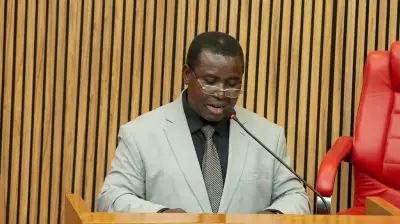
In a significant move to address the escalating cost of living, the Chairman of Agege Local Government Area in Lagos State, Abdulganiyu Obasa, has launched a free 3kg cooking gas refill programme. This initiative is specifically designed to benefit 4,000 residents across the council's seven wards, providing immediate relief to vulnerable households grappling with daily expenses amid rising energy prices.
Programme Structure and Implementation Details
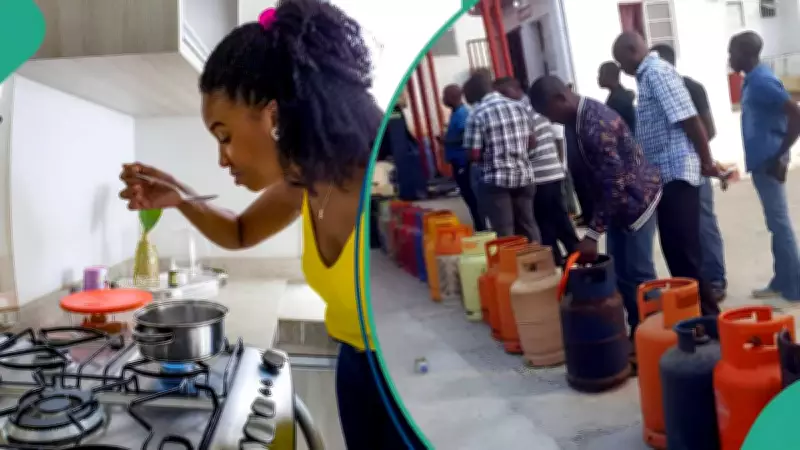
The free refill programme was announced via a statement on X on Friday, February 20, 2025. Chairman Obasa emphasized that the initiative aims to cushion the impact of higher cooking gas costs, which have become a burden for many urban families. The distribution is structured to ensure fairness, with designated gas stations assigned to each ward to facilitate easy access for beneficiaries.
Residents are required to bring their personal gas cylinders to participate, and the refill exercise operates on a first-come, first-served basis. Once the allocated slots for a particular ward are exhausted, distribution at that location will conclude. Obasa described this intervention as a practical response to the growing economic pressures, aligning with broader people-focused efforts by the local government to improve living standards and promote cleaner energy usage within the community.

Mixed Public Reactions and Criticisms
Public reactions to the announcement have been sharply divided. Supporters have praised the initiative as timely and thoughtful, highlighting that even a modest 3kg free refill can represent meaningful savings for low-income families in a challenging economic climate. They view it as a direct and tangible form of relief that addresses immediate needs.
However, critics have raised concerns about the long-term value and sustainability of such giveaways. Many argue that empowerment schemes, skills acquisition programmes, and job creation initiatives would offer more enduring solutions to poverty and rising living costs. Additionally, some have questioned the transparency of the first-come, first-served approach, suggesting that clearer criteria or monitoring mechanisms are necessary to strengthen public confidence in the process.
Broader Economic Context and Energy Pricing Trends
The rollout of this programme occurs against a backdrop of heightened public attention on energy pricing nationwide. While stakeholders in the private sector, such as the Dangote Refinery, have recently taken steps that could influence pricing trends—for instance, reducing the ex-depot price of liquefied petroleum gas to N760 per kilogram—many households continue to feel the weight of fluctuating costs.
This local intervention by Agege LGA highlights how grassroots governments are attempting to respond directly to the economic realities faced by residents. As of the time of reporting, Chairman Obasa has not publicly responded to the criticisms circulating online. It remains unclear whether the initiative will be expanded or replicated in other councils, but it has undeniably sparked conversations about the role of local governments in addressing everyday economic challenges.
In summary, the free cooking gas refill programme in Agege represents a targeted effort to provide immediate relief amid economic hardship, though it faces scrutiny over its long-term efficacy and transparency. The initiative underscores the ongoing struggles with energy costs and the varied approaches to mitigating their impact on Nigerian households.