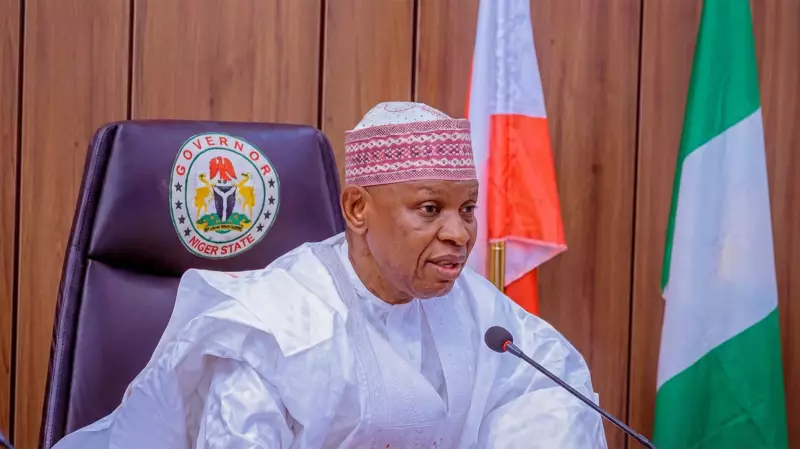
In a significant departure from Nigeria's often divisive political culture, the Kano State Government under Governor Abba Kabir Yusuf has concluded a monumental settlement of historical debts owed to its former grassroots representatives. Between May and December 2025, the state disbursed a total of fifteen billion, sixty-seven million naira (N15,067,000,000) in unpaid severance benefits to former Local Government councillors, a move hailed as restoring dignity and trust.
The Three-Phase Settlement: Facts and Figures
The settlement was executed in three structured phases, meticulously verified and openly implemented. The first payment occurred on 28 May 2025, amounting to N1,805,300,823.20. This initial tranche benefited 903 individuals who served as councillors between 2014 and 2017.
The second phase followed on 18 August 2025, with a disbursement of N5,604,205,998.70. This sum provided relief to 1,198 former councillors from the 2018-2020 service period.

The final instalment was completed in December 2025. A substantial N8,258,424,823.20 was paid to 1,371 beneficiaries who served between 2021 and 2024. In total, 3,472 former councillors across all 44 local government areas of Kano State received their long-overdue entitlements.
The exercise was notably inclusive, extending fairness even to serving councillors whose tenure began in 2024, who received fifty percent of their furniture allowance. The average payout per beneficiary was approximately four million, five hundred thousand naira, varying based on tenure and specific entitlements.
Beyond Politics: A Decision Rooted in Conscience
This decision carries profound political weight. Governor Abba Kabir Yusuf's administration, coming from an opposition platform, chose the path of continuity and responsibility over political expediency. By settling obligations incurred under previous administrations, including that of former Governor Abdullahi Umar Ganduje, the government demonstrated that justice and accountability should not depend on party affiliation.
The human impact of this settlement cannot be overstated. For years, former councillors like Abdulsalam Ishaq Jigo from Kumbotso Local Government Area lived in uncertainty, postponing essential needs such as medical care and children's education. Jigo's testimony underscores the relief felt by many, praising the government for an act of kindness and fairness done "without regard to party affiliation or political history."
A Foundation for Sustainable Governance
The intervention was not merely a financial transaction. It was paired with institutional reforms designed to prevent a recurrence of such neglect. These include:
- Improved payroll and digital record-keeping systems.
- The implementation of more realistic budgeting for entitlements.
- More disciplined fiscal planning at the local government level.
By honouring its past servants, Kano State has strengthened the morale of current public officials and sent a clear signal that sacrifice in public service will not be met with perpetual neglect. This action reinforces the local government system, the foundational tier where citizens most directly experience governance, whether in education, healthcare, or infrastructure.
In a political landscape often marked by selective amnesia, Kano's quiet yet consequential choice sets a powerful precedent. It proves that leadership, at its best, is the courage to rectify past oversights and that the true measure of governance is found not in loud slogans but in just settlements that restore dignity and hope.