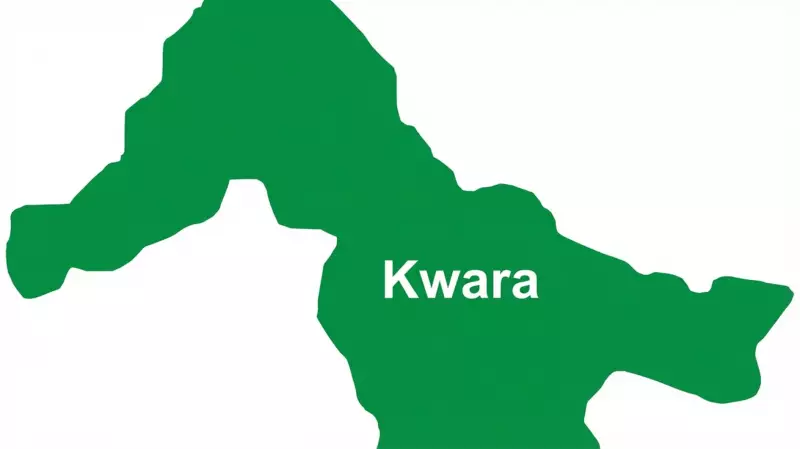
A heated political debate has erupted in Kwara State following an opinion piece that dismissed the relevance of the Kwara North senatorial district. Political commentator Saddiq Buhari has strongly countered the claims, defending the region's constitutional right to political participation.
Controversial Essay Sparks Outcry
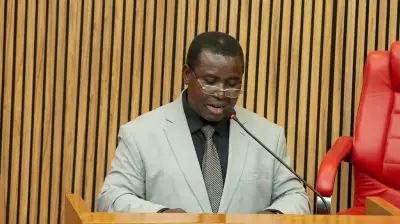
The controversy began on 16 January 2026, after an article titled “No Kwara North” by Faruq Atofarati was published. The piece argued against giving Kwara North preferential consideration in future zoning arrangements, directly questioning the political ambition of the Speaker of the Kwara State House of Assembly, Rt Hon Yakubu Danladi-Salihu.
In a sharp rebuttal, Saddiq Buhari stated that the essay unfairly portrays Kwara North as politically irrelevant. He insisted that such a view contradicts fundamental democratic principles. “Kwara North is not a political error. It is not a footnote,” Buhari declared. “It is a constitutionally equal region populated by citizens whose rights to participate in leadership do not depend on elite approval.”

Defending Democracy and Ambition
Buhari emphasized that no individual or group has the authority to dismiss any part of the state from the political process. He described attempts to label Kwara North as “politically exhausted” as nothing short of anti-democratic rhetoric. “Calling Kwara North incapable or politically spent is not analysis; it is anti-democratic,” he asserted.
The analyst also came to the defense of Speaker Yakubu Danladi-Salihu. He clarified that while zoning is a consideration, it is not the sole basis for the Speaker's political ambition. Buhari highlighted Danladi-Salihu's six-year tenure as Speaker, noting the absence of recorded labour disputes during his leadership.
Allegations of Proxy Attacks and Deflection
Buhari's criticism extended to supporters of Professor Abubakar Suleiman, the Director-General of the National Institute for Legislative and Democratic Studies (NILDS). He accused them of attacking perceived opponents through proxies instead of engaging in substantive, issue-based debates. “When argument fails, contempt is deployed. When credibility is fragile, regions are sacrificed,” he remarked.
Furthermore, Buhari criticized comments attributed to Professor Suleiman at a public event, which he said were dismissive of younger political actors. He interpreted these remarks as reflecting a broader disregard for the Kwara North region.
Buhari suggested that the focus on dismissing Kwara North is a tactic to divert attention from unresolved questions about Suleiman's own public record and leadership at NILDS. “Instead of deflecting through regional contempt, he should address the questions around his public record and leadership,” Buhari urged.
The “No Kwara North” essay continues to fuel intense discussions across Kwara's political landscape. As the state looks ahead to future elections, conversations about zoning, leadership capacity, and regional equity are expected to intensify, shaping the strategies of key political actors.