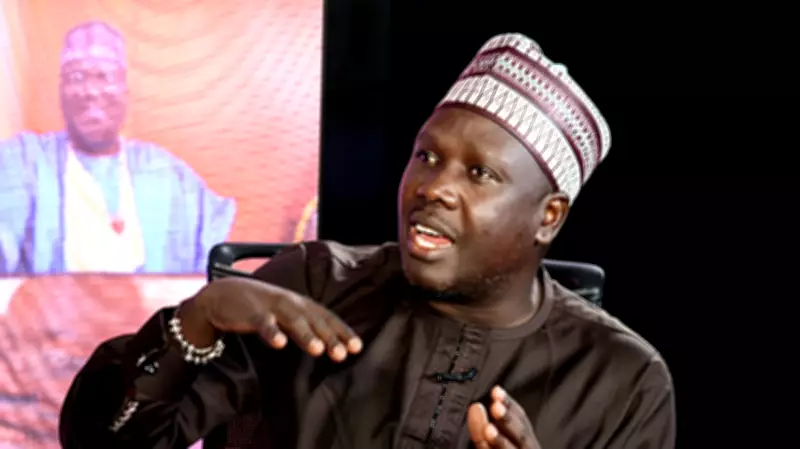
Bwala Attacks Obi’s Party History, Questions Political Loyalty
Daniel H. Bwala, the special adviser to President Bola Ahmed Tinubu on Policy Communication, has launched a sharp criticism against former Anambra State governor Peter Obi, targeting his political party history and raising doubts about his loyalty and consistency in party affiliation.
Accusations of Nomadic Politics
In a post on the social media platform X on Tuesday, Bwala accused Obi of engaging in what he described as nomadic politics. He went so far as to declare the day World Shame Day for the former presidential candidate and his supporters, who are popularly known as Obidients. Bwala referenced Obi’s recent interview on Arise Television, where Obi was questioned about his movements across various political platforms, including the All Progressives Grand Alliance (APGA), the Peoples Democratic Party (PDP), and later the Labour Party, under which he contested the 2023 presidential election.
Bwala also alluded to ongoing speculation linking Obi to possible future political alignments, suggesting that such behavior reflects a pattern of instability. According to Bwala, Obi’s explanation that he leaves political parties when internal challenges arise indicates a lack of commitment to party structures and raises serious questions about his suitability for national leadership.

Questioning Leadership Suitability
In his post, Bwala wrote, “Imagine the character that said he wants to govern Nigeria?” arguing that this stance demonstrates instability in political conduct. He emphasized that such movements could undermine trust and consistency, which are crucial traits for effective governance. Obi, who served as governor of Anambra State from 2006 to 2014, became a central figure in Nigeria’s 2023 general election, running under the Labour Party and securing significant youth support. He is currently associated with the African Democratic Congress (ADC).
His campaign was notably focused on governance reform, accountability, and economic discipline, resonating with many voters seeking change. However, Bwala’s criticism highlights ongoing debates about party loyalty in Nigeria’s political landscape.
Obi’s Defense and Political Context
In previous remarks, Obi has defended his political movements, stating that they were driven by internal party crises and the need to operate within platforms aligned with his principles and policy direction. He argued that leaving parties during conflicts was a matter of integrity rather than disloyalty. This exchange adds to the ongoing political tensions between members of the administration of Bola Ahmed Tinubu and opposition figures, reflecting a broader debate over party loyalty and political realignment in Nigeria’s evolving political scene.
The discussion underscores the challenges faced by politicians in balancing personal principles with party affiliations, especially in a dynamic environment where alliances frequently shift. As Nigeria continues to navigate its political future, issues of consistency and commitment remain at the forefront of public discourse.