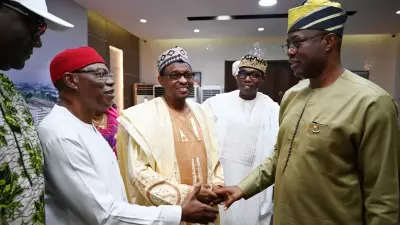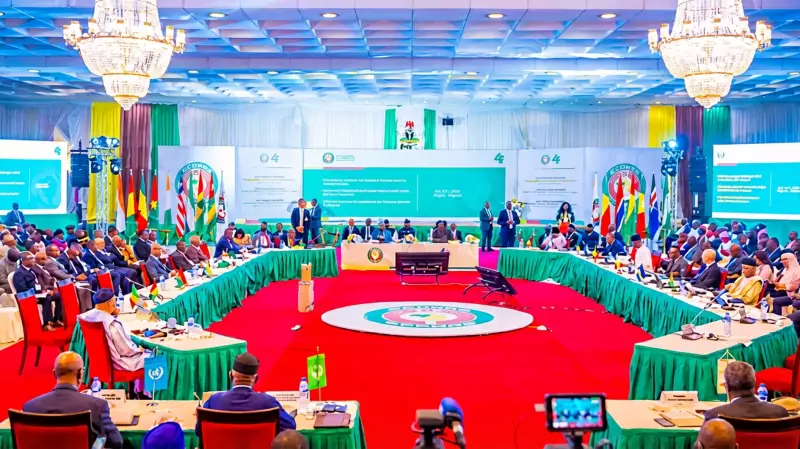
Leaders of the Economic Community of West African States (ECOWAS) have once again promised to strengthen democracy and constitutional governance across the region. This renewed pledge, made during the 68th Ordinary Session of the Authority of Heads of State and Government, comes at a critical time. However, for citizens facing a daily reality of instability and hardship, these words will remain empty until matched with concrete action and political will.
The Gulf Between Promise and Reality in West Africa
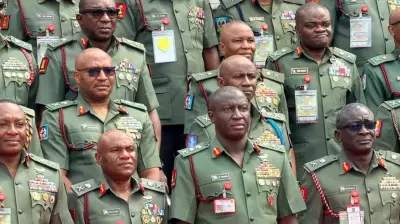
The region is besieged by a convergence of severe crises. Military coups have shockingly returned, toppling fragile civilian governments in several member states. Simultaneously, terrorism, banditry, and transnational crime fuel public despair. Economic hardship, soaring inflation, and rampant youth unemployment are eroding the last vestiges of faith in the state. In this context, democracy cannot be defined merely by periodic elections or summit communiqués. It must be judged by tangible outcomes: security, justice, accountability, and inclusive development for people in towns and villages.
As the late Afrobeat legend Fela Anikulapo Kuti might have said, democracy without good governance is nothing but a "demonstration of craze." This critique rings true across many ECOWAS nations. Elections are often flawed, violently contested, or poorly managed. Institutions designed to check executive power are weak or compromised. Rampant corruption leads many, especially the youth, to see democracy as an elite project that perpetuates poverty and exclusion.

Nigeria's Credibility Gap and the Failure of Peer Review
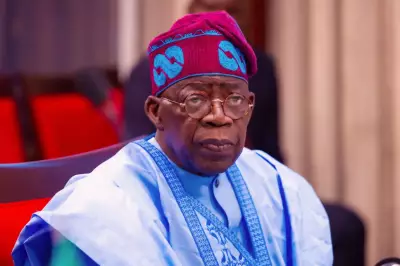
Nigeria, as the bloc's de facto leader, should set the standard. Yet, it grapples with its own profound governance deficits, electoral controversies, insecurity, and public distrust. When President Bola Tinubu rallies regional counterparts on democracy, Nigeria's credibility is inevitably measured against its domestic conditions. The biblical adage that "charity begins at home" is acutely relevant here.
The hypocrisy is glaring. Supposed democratic champions frequently centralize power, harass opposition, and intimidate civil society and media. Courts face pressure and manipulation. In cases like that of Ivory Coast's Alassane Ouattara, constitutional changes have been exploited to extend presidential tenures, undermining term limits. ECOWAS leaders have no moral standing to condemn military coups while perpetuating civilian autocracy. This double standard cripples the bloc's authority and its capacity for decisive action.
A major weakness is the absence of rigorous, honest peer review. Egregious violations, like the indefinite postponement of Senegal's 2024 elections, are often met with diplomatic silence until they explode into full-blown crises. ECOWAS must jettison the excuse of non-interference in "internal matters" when constitutional orders are raped. It must strengthen mechanisms for election observation and human rights monitoring, ensuring punitive consequences for violators.
Security Threats Must Not Excuse Authoritarianism
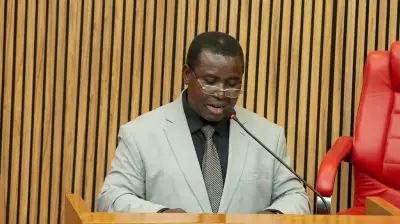
Sierra Leone's President and ECOWAS Chairman, Julius Maada Bio, correctly noted the region faces grave security challenges. However, analysts warn that using these threats to justify authoritarian overreach will backfire. Indiscriminate power hoarding shrinks civic space, fuels agitation, and makes long-term peace more elusive. Democratic governance requires balancing security needs with respect for rights and the rule of law.
Furthermore, the root causes of instability, like economic exclusion, must be addressed. The region's booming youth population faces bleak prospects, driving migration, crime, and political disillusionment. Regional protocols on trade and free movement are meaningless if they don't create jobs and opportunities for ordinary people.
Ultimately, hope is not lost. ECOWAS leaders can change course by embracing genuine peer accountability, respecting term limits, tolerating opposition, and strengthening institutions. They must prioritize governance that delivers. Otherwise, their democracy will remain in name only, increasingly vulnerable to being discarded through public apathy or, worse, violent instability.