Guinea Dissolves 40 Political Parties Including Major Opposition Groups
In a dramatic late-night move, the government of Guinea has issued a decree dissolving 40 political parties, which includes the country's three primary opposition groups. This action comes less than two months after Mamady Doumbouya was officially sworn in as president, marking a significant escalation in the nation's political landscape.
Government Decree and Legal Implications
The Ministry of Territorial Administration and Decentralisation announced the decision, stating that the parties were dissolved due to "failure to fulfil their obligations". According to the decree, this dissolution results in the immediate loss of legal personality and status for the affected parties. Consequently, these groups are now prohibited from engaging in any political activities, and they cannot use their names, logos, emblems, or other identifying symbols.
Among the dissolved parties are key opposition forces: the Union of Democratic Forces of Guinea, led by Cellou Dalein Diallo; the Rally of the People of Guinea, associated with former president Alpha Conde; and the Union of Republican Forces. The decree also places the assets of these parties under sequestration, with a curator appointed to oversee their transfer, though it does not specify who will ultimately control these properties.

Background on Mamady Doumbouya's Rise to Power
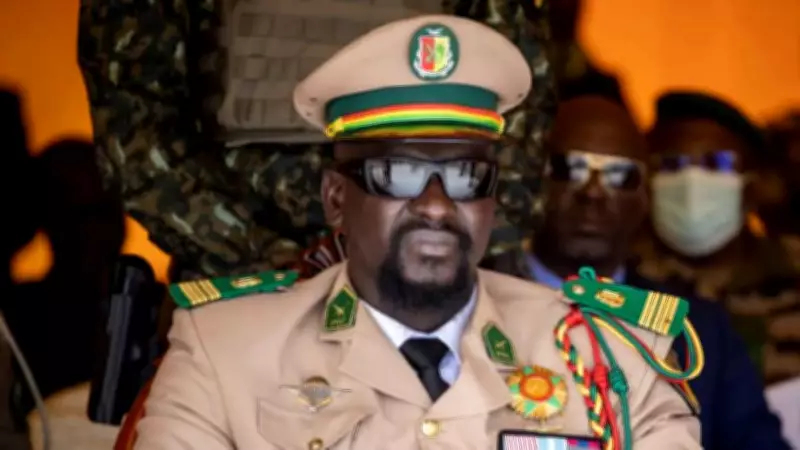
Mamady Doumbouya, 41, initially seized power in 2021 after overthrowing Alpha Condé, Guinea's first democratically elected president. He later consolidated his authority and was elected in December in a controversial vote that excluded major opposition figures. Since assuming power, Doumbouya's administration has faced widespread criticism for restricting civil liberties, banning protests, and cracking down on political opponents.
Reports indicate that several opposition figures have been arrested, put on trial, or forced into exile. Human rights groups have expressed concerns over alleged enforced disappearances and kidnappings, highlighting a pattern of authoritarian measures. Guinea has a history of military and authoritarian rule since gaining independence from France in 1958, and this latest move raises fears of a return to such governance.
Impact on Political Freedom and Future Prospects
The dissolution of these parties significantly narrows the political space in Guinea, potentially stifling dissent and opposition voices. This action could lead to increased tensions and instability, as it undermines democratic processes and pluralism. Observers are closely monitoring the situation, with many calling for international attention to safeguard human rights and promote a more inclusive political environment in the country.