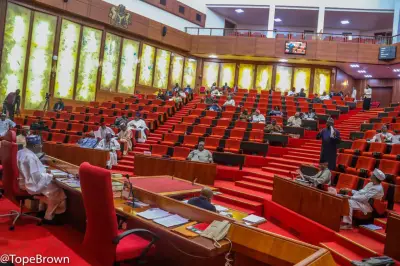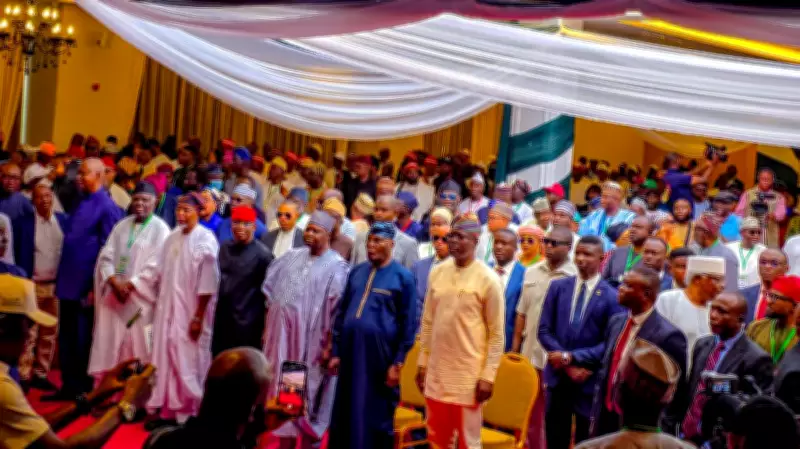
The National Summit of Opposition Parties held in Ibadan, Oyo State, was designed to unify the opposition ahead of the 2027 general elections. However, questions persist about whether deeply divided parties can overcome entrenched rivalries and present a credible alternative to the ruling All Progressives Congress (APC).
Background of Opposition Fragmentation
For the first time since Nigeria's return to civil rule in 1999, opposition parties are deeply fractured by internal crises, leadership tussles, and protracted litigation. This has raised concerns about a potential drift toward a one-party state. The Peoples Democratic Party (PDP) continues to grapple with unresolved disputes over zoning, leadership legitimacy, and factional alignments. The Labour Party (LP), which surged in popularity during the 2023 elections, has struggled to consolidate its gains into a cohesive national structure. Smaller parties remain ideologically fluid and organizationally weak.
The Ibadan Summit Initiative
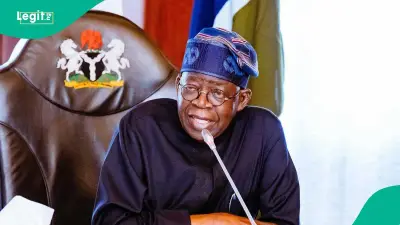
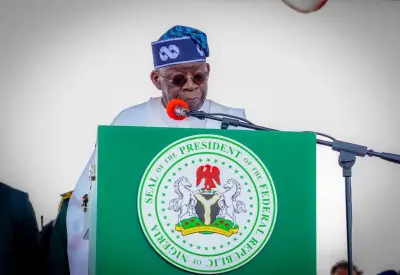
Against this backdrop, Oyo State Governor Seyi Makinde spearheaded a coalition of influential political figures, including former Vice President Atiku Abubakar, Labour Party's 2023 presidential candidate Peter Obi, former President Olusegun Obasanjo, Senator Rabiu Kwankwaso, and former Minister of Interior Rauf Aregbesola. Their intervention culminated in the April 25, 2026, convergence in Ibadan, themed 'National Summit of All Opposition Parties'. The gathering aimed to respond to the growing dominance of the APC under President Bola Tinubu and forge unity ahead of the 2027 presidential poll. The core objective was to build consensus around a single, formidable presidential candidate.

Strategic Reset for Fragmented Opposition
The Ibadan summit represents a potential strategic reset for Nigeria's disjointed opposition landscape. For parties such as the PDP, LP, and the African Democratic Congress (ADC), the meeting offered a rare opportunity to confront shared challenges collectively. The significance of this reset was amplified by a recent Supreme Court ruling reinstating the leadership of the ADC under David Mark, which resolved a prolonged internal leadership dispute and restored organizational clarity. The summit fostered dialogue and reconciliation, addressing internal contradictions like leadership disputes and ideological inconsistencies that have weakened opposition parties.
Prospect of a United Front
The summit also raised the possibility of forging a united opposition front. Nigeria's electoral history, notably the 2015 elections that led to the defeat of an incumbent administration, demonstrates the power of effective opposition coalescence. The Ibadan meeting could serve as a foundation for similar realignment, encouraging strategic alliances, joint policy frameworks, and a consensus presidential ticket. The ADC, with its judicial clarity, has gained attention as a potential coalition vehicle. Additionally, the summit addressed the absence of a clear policy alternative, which has contributed to voter apathy. The adoption of a nine-point communiqué, known as the Ibadan Declaration, outlined commitments to resist a one-party state, field candidates, present a single presidential candidate through consensus, and call for electoral reforms.
Divergent Views and Structural Concerns
Despite optimism, not all stakeholders are convinced. A former Deputy National Publicity Secretary of the PDP, Diran Odeyemi, described the coalition effort as politically ambitious but structurally uncertain, citing constitutional and statutory constraints. However, the Supreme Court ruling on ADC leadership has altered the legal calculus. Wale Okunniyi of the Movement for Credible Election (MCE) offered a more optimistic perspective, arguing that opposition unity is achievable with sufficient political will, but warned that time is critical. The Yoruba Ronu Leadership Forum described the summit as a step in the right direction, emphasizing the need for clear messaging and inclusive engagement.

Between Promise and Reality
These differing perspectives underscore the urgency and complexity of opposition realignment. While the desire for unity is evident, translating it into a functional political structure remains a formidable challenge due to personal ambitions, entrenched interests, and regional considerations. Without meaningful compromise, the summit risks becoming another high-profile gathering with limited practical outcomes. Structural issues like internal governance deficits and weak institutional frameworks extend beyond electoral strategy. Ultimately, the Ibadan summit has exposed critical fault lines while offering a pathway toward realignment. The ability of opposition parties to navigate legal, structural, and political challenges will be decisive as the 2027 election cycle gathers momentum.