Kperogi Shares Insight on Kwankwaso's Inclusion in US Legislation
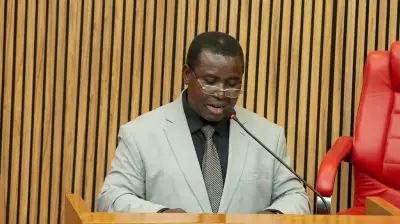
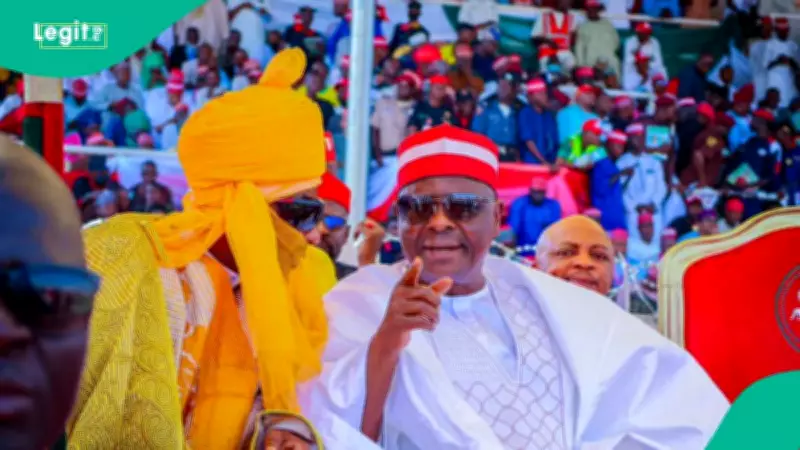
Professor Farooq Kperogi, a US-based Nigerian journalism scholar and public affairs analyst, has provided a detailed explanation for why Rabiu Musa Kwankwaso was specifically singled out in a recent United States bill. According to Kperogi, the former Kano State governor and national political figure was targeted primarily because he was the only prominent Nigerian politician who openly criticized America's designation of Nigeria as a Country of Particular Concern regarding religious persecution.
The Context of US-Nigeria Tensions
The controversy stems from November 2025, when US lawmaker Riley Moore publicly criticized Kwankwaso on social media platform X, accusing him of enabling religious persecution through his implementation of Sharia law during his governorship. Moore, an outspoken advocate against what he describes as a "Christian genocide" in Nigeria, directly challenged Kwankwaso's human rights record, asking him to comment on his "own complicity in the death of Christians."
This confrontation emerged in response to Kwankwaso's statements urging the United States to provide Nigeria with advanced security technology rather than making military threats. Kwankwaso had made these comments following reports that former US President Donald Trump had instructed the Department of War to prepare for a potential invasion of Nigeria to combat terrorists accused of targeting Christians.

The Legislative Response
On Tuesday, February 10, 2026, five US lawmakers introduced a bill in the House of Representatives that would compel the Secretary of State to submit a comprehensive report on US efforts to address ongoing religious persecution and mass atrocities in Nigeria. If passed into law, this legislation would require the Departments of State and Treasury to impose sanctions, including visa bans and asset freezes, on individuals or entities responsible for severe religious freedom violations in Nigeria.
The entities and individuals specifically listed for potential sanctions include:
- Rabiu Kwankwaso
- Miyetti Allah Cattle Breeders Association of Nigeria (MACBAN)
- Miyetti Allah Kautal
- Those described as "Fulani-ethnic nomad militias in Nigeria"
Kperogi's Analysis of the Situation
In a piece published on Thursday, February 12, 2026, Kperogi explained that Kwankwaso's inclusion in the bill appears less rooted in his actual record than in his dissent from specific US policy positions and his refusal to engage in what Kperogi described as "a performative online dispute." The professor noted that public criticism of US policy by foreign political actors can generate personalized responses, particularly when filtered through ideological and religious advocacy frameworks.
Kperogi emphasized that Kwankwaso's implementation of the Sharia Penal Code Bill in November 2000 during his tenure as Kano State governor had drawn widespread condemnation from international human rights organizations. This legislation established a parallel Islamic legal system in the state that includes the death penalty for blasphemy, creating significant controversy in international human rights circles.
Broader US-Nigeria Security Cooperation
Separately from the legislative developments, the United States is reportedly making plans to send approximately 200 additional troops to Nigeria. This deployment would supplement the special forces already on the ground assisting Nigeria in its ongoing war against insecurity. Recently, General Dagvin Anderson, Commander of the United States Africa Command, confirmed that a US team of experts had been dispatched to Nigeria to bolster security cooperation between the two nations.
The intersection of religious freedom concerns, security cooperation, and diplomatic tensions continues to shape the complex relationship between Nigeria and the United States, with political figures like Kwankwaso finding themselves at the center of these international debates.