Audu Maikori Condemns El-Rufai's 'Hypocritical' Stance on Recent Security Incident
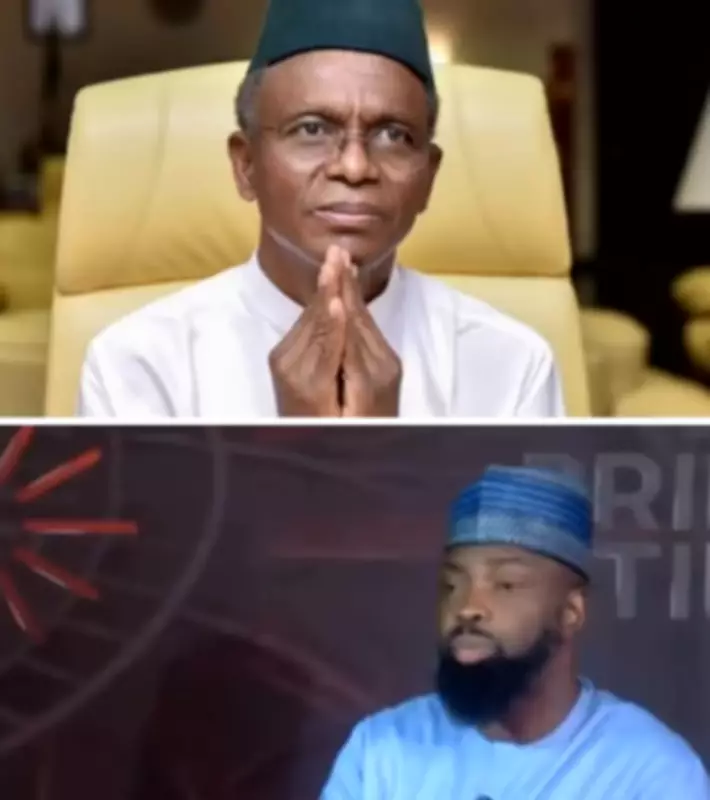
Prominent music executive Audu Maikori has launched a scathing critique against former Kaduna State governor Nasir El-Rufai, labeling his complaints about a recent airport security incident as profoundly hypocritical. This comes after El-Rufai publicly condemned security agents who attempted to detain him at Nnamdi Azikiwe International Airport in Abuja last week without proper invitation or warrant.
El-Rufai's Airport Encounter Sparks Controversy
The former governor, known for his vocal criticism of President Bola Tinubu's administration, found himself at the center of a security confrontation upon landing in Abuja. According to eyewitness accounts, several security personnel approached El-Rufai with intentions to take him into custody, but he firmly refused, citing the absence of formal documentation or legal basis for his detention.
This incident has ignited widespread debate across Nigeria, with numerous commentators including activist Deji Adeyanju accusing El-Rufai of displaying selective outrage. Many have pointed out that during his tenure as Kaduna's chief executive, El-Rufai frequently authorized similar security actions against perceived opponents and critics.

Maikori's Personal Experience with El-Rufai's Administration
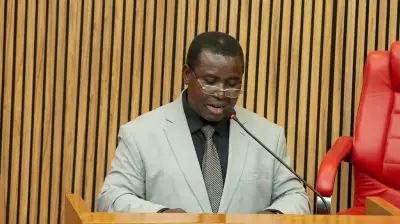
During an emotional interview with Arise Television, Audu Maikori recounted his own traumatic experience with what he described as "state-sponsored abduction" under El-Rufai's governance. The music executive detailed how security forces, acting on direct orders from the governor's office, detained him in connection with social media posts about the Southern Kaduna conflicts.
The controversy began on February 17, 2017, when Maikori was initially arrested for tweets concerning alleged killings of students from Kaduna State College of Education. These posts, which Maikori later discovered were based on fabricated information from his driver seeking financial gain, prompted immediate legal action from the state government.
Despite issuing a public retraction and apology to both the Kaduna State Government and Nigerian citizens, Maikori faced continued persecution. After his initial release, the state government orchestrated his re-arrest, with charges only being dropped following comprehensive police investigations that completely exonerated him.
Distinguishing Prosecution from Persecution
Maikori emphasized a crucial distinction during his television appearance: "There is a fundamental difference between legitimate prosecution and political persecution. What I endured under El-Rufai's administration, along with countless others, constituted systematic persecution rather than proper legal procedure."
The music executive questioned El-Rufai's direct involvement in his case, noting: "A state governor shouldn't personally oversee police investigations. His constitutional duty was simply to report matters to appropriate authorities and allow professional law enforcement to handle them independently. In my situation, the police had already completed their investigation, my driver confessed to fabricating the story, and I was cleared—yet El-Rufai publicly threatened further prosecution."
Maikori specifically referenced El-Rufai's social media statements from that period, where the governor declared Maikori a liar and vowed to prosecute him, suggesting possible connections between his tweets and subsequent violence—allegations that investigations ultimately disproved.
The Irony of El-Rufai's Current Position
Central to Maikori's argument is what he perceives as glaring hypocrisy in El-Rufai's current complaints about due process violations. "He who comes to equity must come with clean hands," Maikori stated, referencing the legal principle requiring fairness from all parties.
Maikori elaborated further: "I'm not suggesting that proper legal procedures shouldn't be followed simply because it's El-Rufai involved. However, there's profound irony that the individual who presided over one of the most authoritarian administrations in Kaduna's history now complains about being treated unfairly by the same security apparatus he frequently weaponized against citizens."

The music executive's comments reflect broader concerns about Nigeria's political culture, where former officials often criticize practices they themselves employed while in power. This case highlights ongoing tensions between security agencies, political figures, and citizens in Nigeria's evolving democracy.
As the debate continues, Maikori's revelations provide crucial context for understanding current political dynamics and the complex legacy of El-Rufai's governance in Kaduna State. The incident underscores persistent questions about accountability, due process, and the consistent application of legal standards across Nigeria's political spectrum.