Olurode and Oshun Advocate for Governance Reforms to Address Nigeria's Deepening Challenges
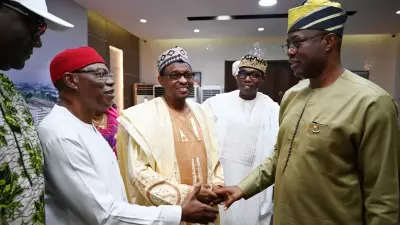
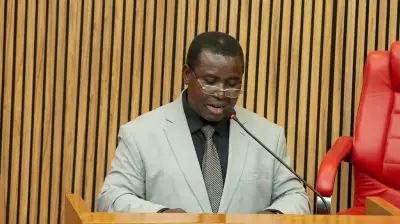
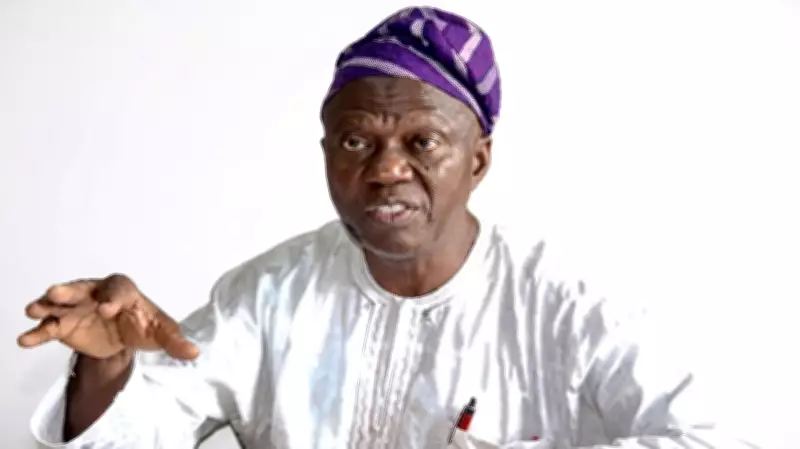
Former National Electoral Commissioner, Professor Lai Olurode, and Chairman of the Afenifere Renewal Group (ARG), Wale Oshun, have made a compelling call for urgent structural reforms to tackle Nigeria's escalating governance issues, persistent insecurity, and growing concerns over national unity. The duo delivered their remarks as guest speakers at a significant summit on democracy, titled 'Good Governance and the Crisis of Nationhood', which was organized by the Yoruba Assembly. This event attracted over 700 participants from across the South-West region, who gathered to deliberate on Nigeria's political trajectory and governance dilemmas.
Root Causes of Governance Failures
Professor Olurode emphasized that Nigeria's challenges are fundamentally rooted in structural defects rather than merely the failings of individual leaders. He argued that the concentration of powers at the centre, weak institutions, and limited autonomy for subnational governments have severely constrained effective governance and slowed development across the Federation. Olurode stressed that no single leader, including President Bola Ahmed Tinubu, could resolve the country's deep-seated governance issues without far-reaching constitutional and institutional reforms.
Call for State Police and Decentralized Security
At the summit, the call for the establishment of state police was strongly reiterated as a critical component of restructuring. While the Inspector-General of Police was reported to have advised a five-year delay in its implementation, participants firmly rejected this suggestion, insisting that the country's deteriorating security situation requires immediate and decisive action. They argued that decentralized policing would enhance intelligence gathering, improve response times, and allow states to better secure their territories in line with local peculiarities.

Oshun's Emphasis on Democratic Safeguards and Regional Cooperation
Wale Oshun, on his part, stressed the need to safeguard Nigeria's democracy and resist any attempt to erode democratic principles. He advocated for comprehensive constitutional reforms that would devolve powers to the federating units, promote fiscal federalism, and encourage competitive development among states. Oshun further called for stronger collaboration among South-West governors, noting that regional cooperation remains vital for addressing cross-border crimes, protecting agrarian communities, and strengthening economic integration within the zone.
Support from Academic and Human Rights Perspectives
Human rights activist and Professor of Environmental Microbiology at the University of Lagos, Olufemi Obayori, also underscored the urgency of state policing as part of broader restructuring efforts. He argued that Nigeria's current quasi-federal structure undermines efficiency, as states remain heavily dependent on federal allocations despite having significant untapped resources.
Consensus on the Need for Structural Reforms
Participants at the summit reached a consensus that without structural reforms, Nigeria risks continued cycles of economic stagnation, political tension, and security crises. They emphasized that strengthening democratic institutions, promoting equity among regions, and redefining the federal arrangement are essential steps toward building a more stable, inclusive, and prosperous nation.