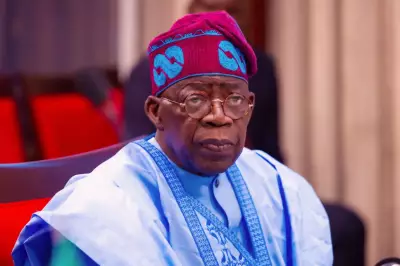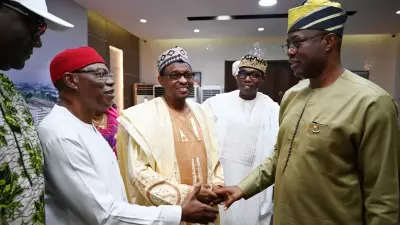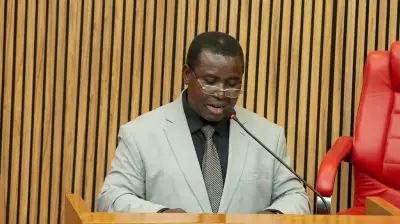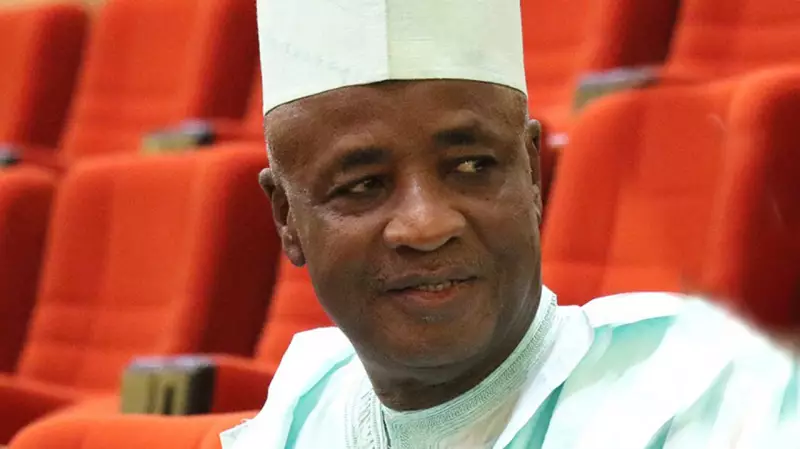
In a move with far-reaching implications for Nigeria's political future, Senator Aliyu Magatakarda Wamakko has publicly endorsed President Bola Ahmed Tinubu. This significant declaration occurred during the launch of the Sokoto State chapter of the All Progressives Congress (APC) electronic membership registration exercise. More than a mere gesture, this endorsement serves as a powerful statement that resonates across the nation, particularly dispelling any lingering doubts in the South-West about the depth of Tinubu's support in the Northern region.
The Electoral Weight of the North-West Zone
The true importance of Senator Wamakko's backing lies in the formidable electoral history of the North-West geopolitical zone. Since the Second Republic in 1979, this region has consistently determined the outcome of presidential elections, thanks to its massive population and reliable voter turnout. It holds the largest bloc of registered voters in Nigeria, making it the central pillar of any successful national political strategy.
Historical patterns underscore this dominance. In the 1979 election, President Shehu Shagari's victory was built on overwhelming support from Northern states like Sokoto, Kano, and Kaduna. This trend persisted through the 1999, 2003, and 2007 elections, where the North-West delivered the highest number of votes nationwide. In 2003 alone, the region recorded over nine million more votes than any other zone.

The zone proved decisive again in 2015 and 2019, forming the foundation of the late President Muhammadu Buhari's victories. Even in the 2023 election, marked by low national turnout, the North-West remained the single largest voting bloc, with over 22 million registered voters. Crucially, it delivered more votes to then-candidate Bola Tinubu than any other zone. Wamakko's support, therefore, signals that Tinubu enjoys credible and influential backing in the country's most decisive electoral territory.
Wamakko's Political Clout and Strategic Moves
Senator Aliyu Wamakko is not an ordinary party figure. He is the only deputy governor since 1999 who has maintained continuous political relevance. Since 2007, he has exercised firm control over Sokoto State's political landscape, even managing to retire former governor Attahiru Bafarawa from politics. His influence stems from decades of strategic engagement, sustained alliances, and a deep connection with grassroots supporters.
His political dexterity has been on full display recently. He played a key role in facilitating the defection of three Peoples Democratic Party (PDP) senators from Kebbi State to the APC. He also brokered reconciliation between former Zamfara State governors, Senator Abdul'aziz Yari and Senator Yerima. Furthermore, the Governor of Edo State owes his election to Wamakko's intervention, as he convinced President Tinubu to adopt him as the party's candidate.
These actions highlight Wamakko's extensive reach and skill, extending his influence far beyond Sokoto. For a leader of his stature to openly align with President Tinubu sends an unequivocal message to the party, the opposition, and voters: the president's leadership commands the confidence of the North-West's most influential actors.
Symbolism and Strategy: E-Registration and Future Alliances
The endorsement was delivered at a highly symbolic event: the commencement of the APC's electronic membership registration in Sokoto, held at the Bola Ahmed Tinubu Hall in Gawon Nama. By choosing Wamakko as the first registrant, the party affirmed his preeminent status. Governor Ahmed Aliyu also deserves credit for the high esteem in which he holds the senator.
This e-registration exercise is itself a strategic masterstroke. Initiated more than a year before the 2027 general elections, it shows the APC is laying groundwork early. The system eliminates duplicate entries, creates a reliable database, enhances transparency, and strengthens grassroots mobilization through real-time tracking. It represents a move towards a more organized, data-driven party structure.

Beyond immediate tactics, Wamakko's move deepens the critical political partnership between the North and South-West zones. Nigerian politics often operates on negotiated alliances and reciprocal understandings. By standing with Tinubu, Wamakko reinforces this cooperation and builds political trust, with an implicit understanding that support given today may be acknowledged in the future—an IOU potentially redeemable in the 2031 political cycle.
During the ceremony, Wamakko described President Tinubu as a leader determined to reposition Nigeria globally, enhance human capital, and drive sustainable development. His call for national understanding and support for the president's vision was deliberate and measured.
A Blueprint for Cohesion and National Progress
In a nation where political divisions frequently hinder development, Senator Wamakko's endorsement carries profound significance. It underscores the necessity of unity and cooperation between leaders and citizens to achieve national progress. His backing lends legitimacy and momentum to Tinubu's policies, ensuring the president's achievements resonate in the key geopolitical zone that often determines national outcomes.
The inclusive nature of the Sokoto registration event—which also featured Deputy Governor Idris Muhammad Gobir, ministers, ambassadors-designate, and local leaders—reflects an understanding that progress is a collective endeavor. Leadership requires engagement at all levels, especially with figures like Wamakko who can mobilize support and mediate interests.
Ultimately, Wamakko's support for Tinubu is a political game-changer. It brings immense political capital, strategic timing, and inter-regional alliance-building to reinforce a vision of leadership based on credibility and results. For a nation yearning for stability and development, this endorsement provides a blueprint for how influence, authority, and vision can intersect to move Nigeria forward.