In the rich tapestry of Yoruba philosophy, the transient nature of life and power is often captured through vivid metaphors. The masquerade festival and the morning dew symbolize the brevity of human achievements, including political influence. The saying, 'Ohun t'ó ńtán ni eégún odún, omo Alágbàáà ńbò wá rà'kàrà jè'ko,' translates to the yearly masquerade festival will soon end, and the son of the Chief Masquerade will buy his fried bean cake and corn meal like everyone else. Similarly, the morning dew's fleeting reign warns wielders of power, as expressed in 'Ìmò enini kìí di ojó alé.'
President Tinubu's 29 May Speech
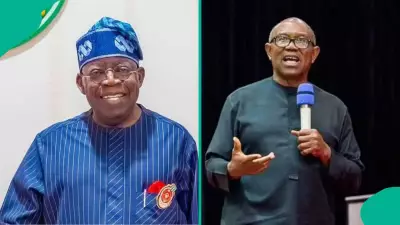
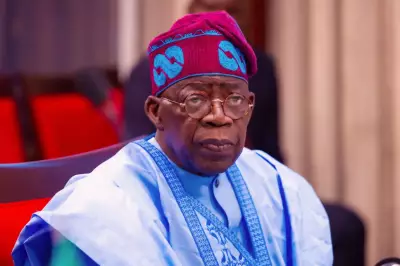
On 29 May, President Bola Tinubu delivered a speech marking his second year in office, addressing Nigerians as 'fellow compatriots.' Language experts have noted the tautology in combining 'fellow' and 'compatriots,' as the latter already implies the former. This redundancy mirrors the broader issue of leaders who offer repetitive promises without tangible results. Tinubu's speech was filled with statistical claims, including the cessation of the daily N18.4 billion fuel subsidy and redirection of funds to healthcare, education, housing, and infrastructure. However, critics argue these benefits remain invisible to the average Nigerian, akin to voodoo numbers.
The Masquerade of Elections
Just as traditional Egúngún festivals involve costumed dancers embodying ancestral spirits, the 2027 election season is approaching with similar spiritual significance. Political parties are filing out to collect nomination forms, resembling masqueraders fulfilling sacred obligations. After three years of the Tinubu administration, the true nature of those in power has become apparent. The president's speech acknowledged the need for reform, warning of fiscal breakdown and economic uncertainty, yet many Nigerians feel these conditions are already their reality.

Economic Realities vs. Propaganda
Tinubu's economic czars claim progress, but the people experience the opposite. The Yoruba deity Òrìsà is invoked in a plea: 'Òrìsà, b'óò le gbè mí, fi mí'lè b'óo ti bá mi' (If you cannot save me, leave me as you met me). This sentiment reflects a desire to return to the pre-2023 state, which many find more bearable. The president's reference to sharing pain and losing sleep is seen as mockery, given the widespread suffering from banditry, kidnapping, hunger, and economic hardship.
Voodoo Numbers and Political Manipulation
The APC's early registration of voters and the presidential primary result—10.9 million votes for Tinubu versus 16,503 for Stanley Osifo—suggest pre-election allotment of votes. Other parties, like the ADC, have engaged in similar number perversions. These practices mirror voodoo in Haiti, where numbers serve as energetic keys to open cosmic doors. Nigerian politicians treat election figures as talismanic tools to access power, making politics more profitable than armed robbery or fraud.
The Tragedy of Nigerian Politics
Political office in Nigeria has become a modern form of money ritual, attracting self-seeking individuals who treat the people as mere statistics. This is reminiscent of Maryse Conde's novel Segu, where the four sons of Dousika Traore tear at the fabric of the Malian nation. Similarly, Nigerian politicians are in conflict with themselves and society, shedding blood through their actions and inactions. The Yoruba god Ògún, who bathes with blood, is an apt metaphor for these leaders. Yet, come January and February 2027, voters may still elect the same vermin, perpetuating the cycle of tragedy.
A Tribute to Dr. Chimaroke Nnamani
On 30 May, former Enugu State Governor Dr. Chimaroke Nnamani turned 66. The author reflects on their relationship, noting Nnamani's persecution during the 2002 Adoration tragedy and his developmental legacies. Nnamani's de-tribalized approach and trust in others led to political setbacks, yet his contributions to Enugu remain legendary. The article concludes with a toast to his long life and health.