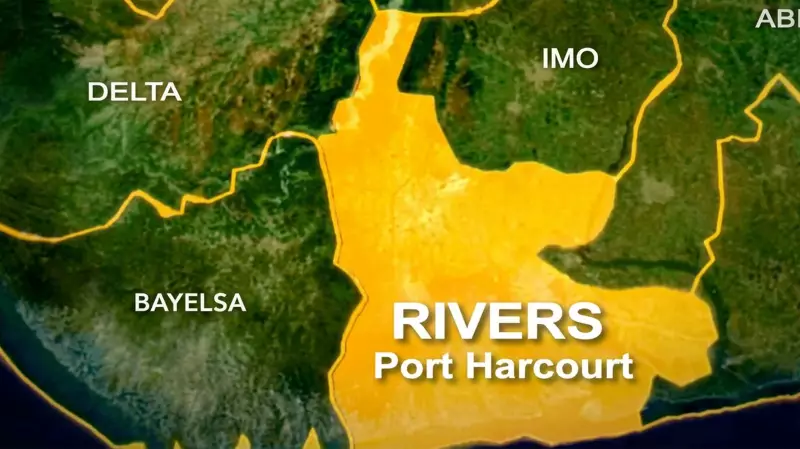
Rivers State experienced a return to relative calm on Friday, January 9, 2026, as residents resumed their daily routines. This followed a day of heightened political tension sparked by an impeachment threat from the state's House of Assembly against Governor Siminalayi Fubara.
Security Presence Normalizes After High-Profile Visits
While security was heavily reinforced across the state on Thursday, this was linked to the visits of two key national figures: the National Security Adviser, Mallam Nuhu Ribadu, and the Chief of Army Staff, Lieutenant General Waidi Shaibu. By Friday, only routine police checkpoints were visible, with businesses operating normally and free movement restored in most areas.
The impeachment threat reportedly stems from the governor's alleged failure to present the 2026 Appropriation Bill to the legislature, a point of contention within the ongoing political crisis in the state.

Civil Society Groups Condemn Legislative Move
Leading civil society organisations have strongly criticised the impeachment proceedings, labelling them as a dangerous misuse of power. The International Society for Social Justice and Human Rights (ISSJHR) and the Civil Liberties Organisation (CLO) issued separate statements condemning the action.
In a statement signed by its Chancellor, Dr. Omenazu Jackson, the ISSJHR described the threat as "constitutionally reckless". The group emphasised that impeachment is a grave constitutional process, not a political weapon, strictly governed by Section 188 of the 1999 Constitution (as amended).
The ISSJHR outlined the legal requirements for a valid impeachment:
- Clear allegations of gross misconduct
- Strict adherence to due process and fair hearing
- A proper legislative quorum
- Investigation by a judicial panel
The group warned that any deviation from these steps would render the action null and void. It further cited constitutional principles on the separation of powers, arguing that no arm of government should intimidate another.
Calls for Restraint and Constitutional Fidelity
Both organisations urged all parties to exercise restraint. The ISSJHR insisted that the governor's mandate, derived from the electorate, cannot be undermined through intimidation. Quoting Section 14(2)(a) of the Constitution, it stated that sovereignty belongs to the people and any impeachment disconnected from their will assaults democratic legitimacy.
The group cautioned political opportunists against actions that could plunge Rivers into instability, vowing to lawfully resist any unconstitutional attempt to remove the governor.
In its reaction, the CLO, through its Rivers State Chairman, Sunny Dada, and Secretary, Dr. Christian Onyegbule, noted it had previously urged the governor to present the budget. However, it maintained that impeachment is a constitutional safeguard for accountability, not a tool for political retaliation.
The CLO expressed concern that current tensions could distort constitutional procedures. It demanded strict adherence to due process, including:
- Proper service of allegations
- Adequate time for the governor's response
- Constitution of an impartial investigative panel
The group warned against viewing the budget issue in isolation, stressing that broader contexts like legislative legitimacy and court processes must be considered. Describing Rivers as a critical economic hub, the CLO cautioned against actions leading to governance paralysis or civil unrest.
"Democracy in Rivers State is at a critical juncture. History will judge not only the actions taken, but the intentions behind them," the CLO stated, pledging to monitor developments closely.
Both groups called on the House of Assembly, the Executive, and security agencies to prioritise dialogue over confrontation, urging Governor Fubara to explore avenues for improved relations, starting with the presentation of the 2026 budget.