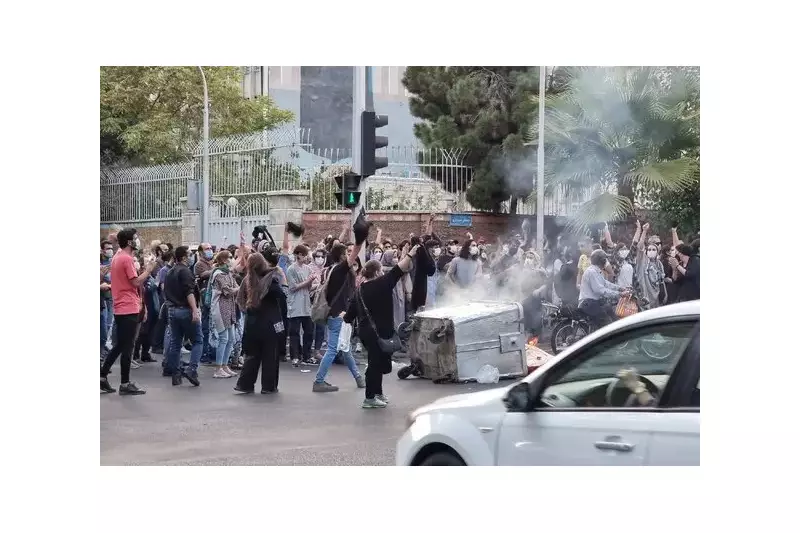
Iran is grappling with its most severe wave of civil unrest in three years, as protests initially sparked by a plunging national currency and soaring living costs have escalated into deadly violence across several cities.
From Market Strikes to Nationwide Unrest
What began on Sunday as demonstrations by shopkeepers and traders in Tehran, furious over the sharp devaluation of the Iranian rial, has rapidly expanded. By Wednesday, the movement had drawn in university students and spread to multiple regions, reaching a violent climax overnight into Thursday.
Several fatalities have been confirmed following clashes between security forces and protesters. Iranian media and the Kurdish rights group Hengaw reported violent confrontations in the western city of Lordegan. A source cited by the semi-official Fars news agency claimed multiple deaths during clashes with what it described as armed protesters.

Hengaw provided a different account, stating that security forces opened fire on demonstrators in Lordegan, killing and wounding several people. Authorities confirmed one death in the western city of Kuhdasht, while Hengaw reported another fatal shooting in the central province of Isfahan.
A Heavy-Handed Response and Conciliatory Signals
The Revolutionary Guards announced that a member of its Basij volunteer paramilitary unit was killed in Kuhdasht, with thirteen others wounded. Activist groups reported numerous arrests in the western provinces of Kermanshah, Khuzestan, and Hamedan.
Despite this show of force, the government has also sent unusual signals of openness to dialogue. Government spokesperson Fatemeh Mohajerani stated officials were willing to engage directly with representatives of trade unions and vendors, suggesting a potential "dialogue mechanism." However, no concrete details or steps have been provided.
Social media videos, shared by accounts such as Fox News and comedian Omid Djalili, purported to show protesters attempting to break into a government building in southern Iran and running battles in Nahavand, Hamadan province. These reports suggest the protests have grown in both scale and intensity.
Roots of the Fury: Sanctions, Inflation, and Despair
This week's turmoil represents a significant escalation of public anger driven by a crippling economic crisis. Key factors fueling the protests include:
- Soaring inflation, estimated at around 40%.
- The continued weakening of the national currency.
- The lingering economic fallout from persistent Western sanctions.
- The impact of Israeli and US attacks on Iran’s nuclear infrastructure and military leadership earlier in the year.
These are the first major demonstrations since airstrikes in the summer briefly fostered national solidarity. The resurfacing of widespread protests underscores the depth of economic hardship faced by ordinary Iranians.
The situation remains highly tense. While state media reported the release of some detained students, activist groups document a heavy security presence in multiple cities. Authorities now face mounting pressure with limited options to address the country's deepening economic despair, setting the stage for continued instability.