Nigeria's democratic landscape is repeatedly scarred by a familiar pattern: the dramatic and often bitter fallout between sitting governors and the political godfathers who helped install them. These alliances, forged in the heat of electoral battles, frequently collapse once power is secured, leading to intense rivalries that reshape state politics and influence national dynamics.
The Unraveling Crisis in Rivers State
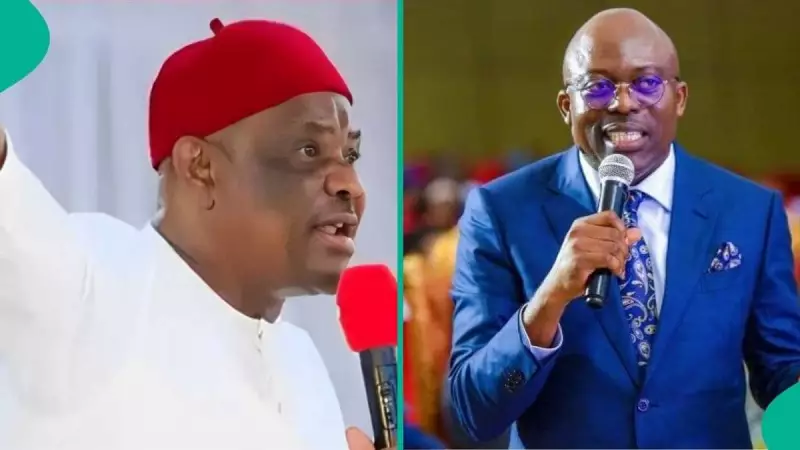
The most recent manifestation of this trend is the escalating conflict in Rivers State. Governor Siminalayi Fubara, inaugurated on May 29, 2023, saw his relationship with predecessor and benefactor Nyesom Wike deteriorate within months. Tensions boiled over in late October 2023 when the Rivers State House of Assembly complex was reportedly set ablaze amid rumours of an impeachment plot against the governor.
The crisis returned to the forefront on Thursday, January 8, 2026, during a plenary presided over by Speaker Martin Amaewhule. The Majority Leader, Major Jack, read out allegations of gross misconduct against Governor Fubara, invoking Section 188 of the Nigerian Constitution. A total of 26 lawmakers signed the impeachment notice.

The charges levied against Fubara included the demolition of the Assembly Complex, extra-budgetary spending, withholding funds for the Assembly Service Commission, refusal to obey the Supreme Court on financial autonomy for legislatures, and the appointment of officials without proper screening by the Assembly. Speaker Amaewhule announced the governor would be formally served the notice within seven days.
Historical Precedents of Broken Alliances
The Rivers drama is not an isolated incident but part of a recurring national theme. In Kano State, the once-strong bond between former governor Senator Rabiu Kwankwaso and his successor, Abdullahi Ganduje, completely shattered. Ganduje had served as Kwankwaso's deputy twice, but their alliance collapsed after Ganduje assumed office in 2015. This fallout directly influenced the 2019 and 2023 governorship elections, with Kwankwaso backing Kabiru Abba Yusuf against Ganduje's preferred candidates.
Edo State witnessed a similar story. Godwin Obaseki rose to power with the crucial support of his predecessor and mentor, Senator Adams Oshiomhole. However, their relationship broke down irreparably when Obaseki was disqualified from the All Progressives Congress (APC) primaries, a move allegedly influenced by Oshiomhole. Obaseki defected to the Peoples Democratic Party (PDP) and won re-election, marking a decisive political divorce from his godfather.
An earlier generation of Rivers politics also set the stage. Former governor Dr. Peter Odili publicly expressed regret in 2014 for supporting Rotimi Amaechi's rise to power. Odili accused Amaechi of dismantling the political structures built by the PDP's founding fathers once he became governor in 2007. This rift eventually led Odili to align with Nyesom Wike, illustrating how one fallout can sow the seeds for the next alliance and subsequent conflict.
Patterns and Lasting Consequences
These episodes reveal a consistent cycle. The godfather expects loyalty and control over patronage, while the governor seeks autonomy and to build his own political empire. The resulting power struggle often leads to impeachment threats, defections, and intense electoral battles that extend beyond the principal actors to their entire political structures.
The outcomes reshape political landscapes for years. As seen in Kano and Edo, these fallouts become central issues in subsequent elections, determining candidate selection, party alignment, and ultimately, who controls state power. The ongoing crisis in Rivers State, with Wike accusing unnamed leaders of misleading Governor Fubara and undermining a peace deal, confirms that these ruptures are a defining, and seemingly enduring, feature of Nigeria's political ecosystem.