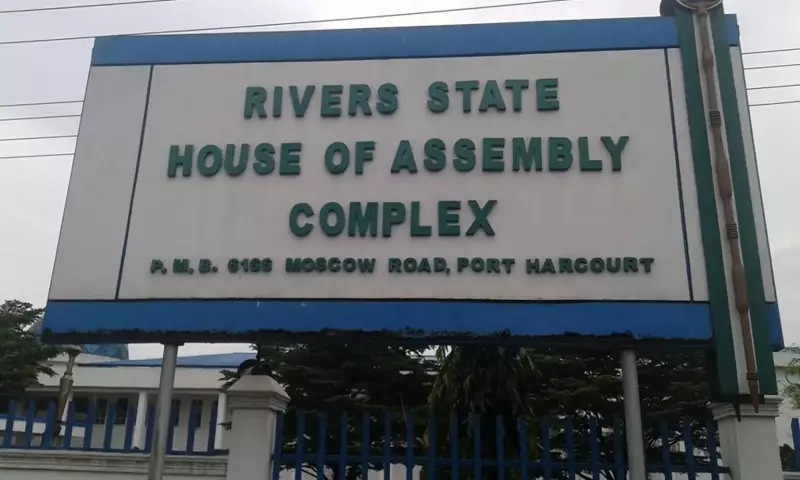
The political temperature in Rivers State has soared dramatically following a decisive move by the state's House of Assembly to initiate impeachment proceedings against Governor Siminalayi Fubara and his deputy, Professor Ngozi Odu. The decision, taken during a plenary session on the morning of Thursday, 8 January 2026, has triggered a storm of mixed reactions, exposing deep fissures across political, ethnic, and civil society lines.
A House Divided: The Impeachment Allegations and Immediate Backlash
The lawmakers activated the impeachment mechanism based on allegations of gross misconduct against the governor. Central to their charges are the failure to present a mid-term expenditure framework and controversies surrounding budgetary processes. This action has not only intensified the state's political tensions but has also become a litmus test for loyalty and power dynamics in the oil-rich region.
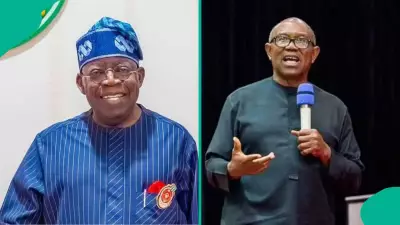
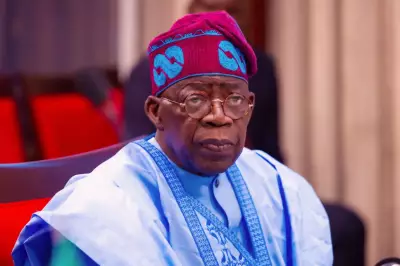
While some residents view the impeachment as a "last card" for the 26 legislators, especially after Fubara's defection to the All Progressives Congress (APC) and perceived alliance with President Bola Tinubu, others believe it signals the beginning of the end for the governor's tenure. Public affairs analyst, Eme Kingsley, framed the crisis within the context of "Abuja politics," asserting that President Tinubu is fully aware of the developments.

Kingsley accused Governor Fubara of insincerity regarding past peace agreements brokered by the President and highlighted the Assembly's strong connections to the Presidency through their leader, former Governor Nyesom Wike. He further argued that judicial pronouncements from the Supreme Court, which previously indicted the governor for financial misconduct, have legally empowered the Assembly to pursue impeachment.
Ethnic and Party Lines: A Coalition of Opposition Emerges
In a significant pushback, powerful ethnic and political groups have condemned the Assembly's move. The Eastern Zone of the Ijaw National Congress (INC) and the Ijaw Youth Council (IYC) held a joint press conference in Port Harcourt, squarely blaming the Minister of the Federal Capital Territory, Chief Ezenwo Nyesom Wike, for escalating hostilities.
Led by figures like INC's Abel Peterside and IYC's Prince Datolu Sukubo, the groups warned that Wike's confrontational posture poses a grave threat to public peace and democratic stability in Rivers State. They criticized the undermining of the June 26, 2025 peace accord facilitated by President Tinubu and rejected alleged demands for the removal of senior state officials like SSG Dr. Tammy Danagogo, calling it an unconstitutional encroachment on the governor's powers.
In a surprising political twist, the Rivers State chapter of the APC, led by Emeka Beke, also rejected the impeachment. Party spokesperson Darlington Nwauju stated it was "totally untenable" to watch internal PDP crises destabilize an APC-led government. He questioned the urgency of the impeachment, noting an existing budget runs until August 2026 and constitutional provisions allow for a six-month spending window.
Calls for Restraint and the Stakes for Rivers State
The condemnation extends to civil society organizations. The Human Rights Writers Association of Nigeria (HURIWA) labeled the impeachment plot as "reckless, unconstitutional and morally indefensible," urging President Tinubu to intervene. Similarly, the Rivers Peace Initiative cautioned that the notice represents a dangerous escalation that could plunge the state back into instability, calling for immediate de-escalation and dialogue.
The state is now entangled in a complex web of competing forces: legislative authority versus executive survival, ethnic mobilization, party discipline, and overarching federal influence. As reactions continue to pour in, analysts agree that without credible mediation and urgent restraint, Rivers State faces a prolonged season of political uncertainty. The very pillars of governance, development, and public confidence now hang in the balance, awaiting the next move in this high-stakes political drama.