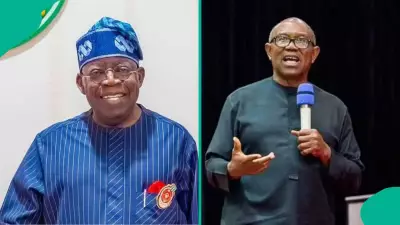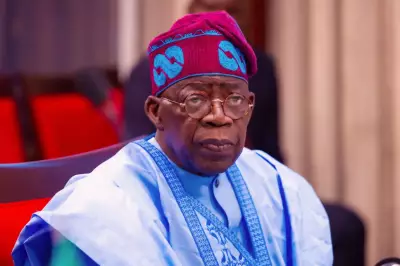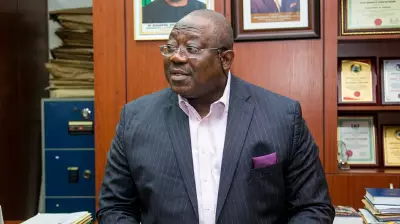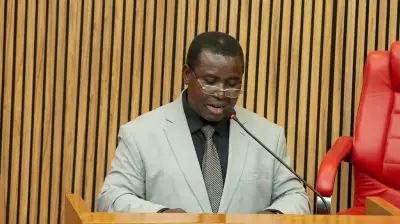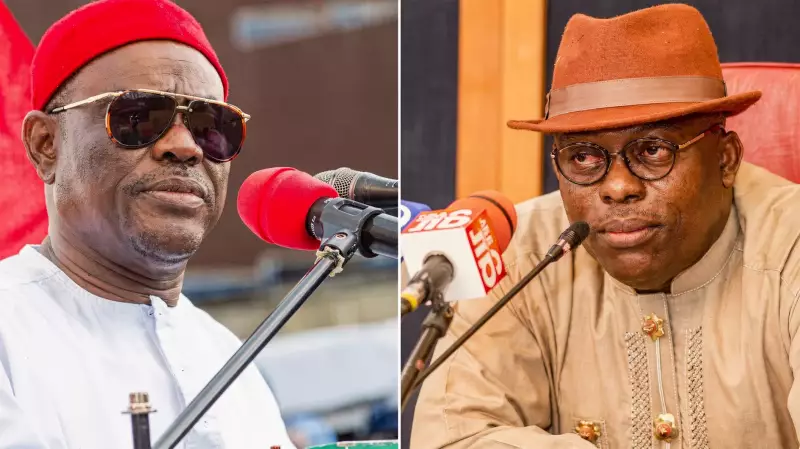
The political stability of Rivers State, Nigeria's oil-rich economic powerhouse, is hanging by a thread as we enter January 2026. What began as a localized power struggle between the Federal Capital Territory Minister, Nyesom Wike, and his successor, Governor Siminalayi Fubara, has exploded into a full-blown systemic crisis. This feud now poses a direct threat not only to the state's governance but to the foundational democratic principles of the nation itself.
Despite the lifting of a six-month state of emergency on September 18, 2025, the return to democratic rule has failed to bring peace. Instead, it has unleashed a more sophisticated and dangerous phase of political warfare. The language of development has been completely replaced by the rhetoric of conflict, with the quest for dominance overshadowing the fundamental duty of public service to the people of Rivers State.
The Unraveling of a Fragile Peace
The current turmoil is a direct result of the collapse of the peace deal brokered by President Bola Tinubu in June 2025. When Governor Fubara resumed full control after the emergency period, he inherited a state with swollen coffers—the state account reportedly grew from N300 billion to N600 billion under federal administration—but deeply fractured politically.

The first major crack appeared over finances in December 2025. Pro-Wike lawmakers in the Rivers State House of Assembly, led by Speaker Martin Amaewhule, pushed for a Supplementary Appropriation Bill. Governor Fubara firmly rejected this, arguing that the existing N1.48 trillion budget passed by the National Assembly was sufficient. This act of defiance was seen by Wike as a declaration of political independence, sparking a "fresh war."
The crisis took a paradoxical turn when both major camps defected to the All Progressives Congress (APC) in December 2025. This move has created an internal party battle for control in Rivers State, forcing the federal government to manage a situation where its newest high-profile members are actively seeking each other's political destruction.
A Test of Godfather Politics and Mentorship
This conflict serves as a critical case study in Nigeria's entrenched "godfather" political culture. Governor Fubara, widely seen as Wike's handpicked successor, faces the immense challenge of asserting his autonomy without severing the political lineage that brought him to power. His recent calls for prayer over "instruments of war" suggest a strategic move towards restraint. True political wisdom for Fubara may lie in navigating a path that honors his political origins while gradually carving his own legacy, rather than seeking the total defeat of his mentor.
For Minister Wike, this is a profound test of elder statesmanship. His rhetoric, which includes vows that Fubara "will never get a second chance," mirrors a destructive desire for total control. History and political wisdom counsel that a mentor's legacy is secured not by the annihilation of his protégé but by the stability and institutions he leaves behind. Wike's insistence on dominating the political scene risks destroying the very structure he built and could ultimately lead to his own political isolation.
Institutional Collapse and the Path Forward
The Rivers State House of Assembly has become a primary casualty, its constitutional mandate sacrificed at the altar of factional loyalty. The defection of 16-17 members to the APC has crippled the legislature, turning it into a theatre of war. This was starkly illustrated by the absurd controversy over the N100,000 Christmas bonus for workers, which the Assembly rejected on procedural grounds while critical state business languishes.
The solution to this deepening crisis requires a shift from mere conflict resolution to genuine conflict transformation. Leaders must move beyond a zero-sum mindset where one side's victory requires the other's ruin. As leadership experts note, true diplomatic leadership wins the war on behalf of both sides. A sustainable peace in Rivers State will only emerge from a negotiated settlement that acknowledges the core needs of both Fubara for executive autonomy and Wike for a respected legacy.

The defining leadership moment for 2026 is clear. Governor Fubara must demonstrate that his leadership is rooted in service and strategic humility. Minister Wike must embrace the paternal responsibility of a statesman and avoid the fatal error of destroying his political offspring. The lawmakers must return to their sacred duty of serving the people. The alternative is a continued descent into chaos that will cripple the Niger Delta region, threaten the national economy, and erode Nigeria's democratic foundations. The sounds of war must be transformed into a symphony of stability for the future of Rivers State.